

Dr. Batul Patel (Dermatologist)
Medical Director – The Bombay Skin Clinic
Dr. Batul Patel is an award winning certified dermatologist, honoured as the “Dermatologist of the Year 2023” at the national level by The Economic Times. View profile
What Is Wrinkle Treatment | Advantages of Treatment | Who Is a Good Candidate | Safety | Price
Wrinkles are a normal part of skin ageing, but they do not all develop for the same reason. Some come from repeated facial movement, some from sun exposure and collagen loss, and some from changes in skin thickness, hydration and support.
At The Bombay Skin Clinic, wrinkle treatment is not treated as one single procedure. It is usually a customised plan based on the type of wrinkles, your age group, skin quality, facial structure, downtime preference and overall goals. In Mumbai, where sun exposure, heat, pollution and long workdays can all affect skin quality, this assessment matters.
Why do wrinkles happen?
Wrinkles usually develop because of a mix of intrinsic ageing and external stress on the skin. As we age, collagen, elastin and hyaluronic acid in the skin reduce gradually. This makes skin thinner, less springy and more likely to crease.[1]
Sun exposure is another major reason. Ultraviolet radiation speeds up collagen breakdown and contributes to fine lines, uneven texture and pigment changes over time.[2] Repeated facial expressions, smoking, poor sleep, dehydration and weight changes can also affect how quickly wrinkles become visible.
What are the main types of wrinkles?
Dynamic wrinkles
Dynamic wrinkles are caused by repeated facial movement. These include forehead lines, frown lines and crow’s feet. They are often more visible when you smile, squint or raise your eyebrows.
Over time, these lines can stay visible even when the face is at rest. This is why early dynamic wrinkles may later become deeper static lines.
Static wrinkles
Static wrinkles are visible even when the face is relaxed. They are more often linked to collagen loss, volume changes, sun damage and age-related thinning of skin.
Examples include deeper lines around the mouth, smile lines, marionette lines and creasing in areas where the skin has lost support.
Wrinkles linked to skin thinning, dryness and sun damage
Some wrinkles are fine, crepey or diffuse rather than deeply etched. These may be linked to photodamage, dryness, rough texture and reduced skin resilience.[2]
This pattern is common in people with early ageing concerns, people who spend time outdoors, and those who notice that their skin looks tired, lined or less reflective rather than obviously saggy.
What are the advantages of wrinkle treatment?
- It can target different types of lines through a personalised approach rather than a one-size-fits-all treatment plan.
- It may improve how rested, smoother or fresher the skin appears, while keeping results in balance with natural facial movement.
- Some treatments work with little to no downtime, which can suit busy work and social schedules in Mumbai.
- Combination plans can address both wrinkles and related concerns such as skin laxity, dullness, texture and early volume loss.
- When done under dermatologist oversight, treatment selection can be guided by safety, skin quality and realistic expectations.
Who is a good candidate for wrinkle treatment?
People who may benefit
- Adults with fine lines, expression lines or deeper facial creases that bother them at rest or during expression.
- People noticing early ageing changes such as dullness, crepiness, reduced firmness or textural roughness along with wrinkles.
- Those looking for a medically guided plan that matches their downtime, comfort level and event schedule.
When treatment may need to wait?
- Active skin infection, open wounds, severe irritation or a recent procedure may mean treatment should be postponed.
- Pregnancy or breastfeeding may change which treatments are appropriate, so in-clinic assessment becomes important.
- If there is an untreated medical condition, allergy history or medication issue that increases risk, a safer timing or different plan may be needed.
Who may need a different plan, not a wrinkle-first plan?
- People whose main concern is marked skin laxity, jowling or facial heaviness may need a tightening or lifting-focused plan rather than a wrinkle-first plan.
- Those with significant volume loss may benefit more from support and contour correction than from surface wrinkle treatment alone.
- If pigmentation, redness or acne scarring is the main issue, treatment may need to be directed toward those concerns first.
Which wrinkle treatments are available at The Bombay Skin Clinic?
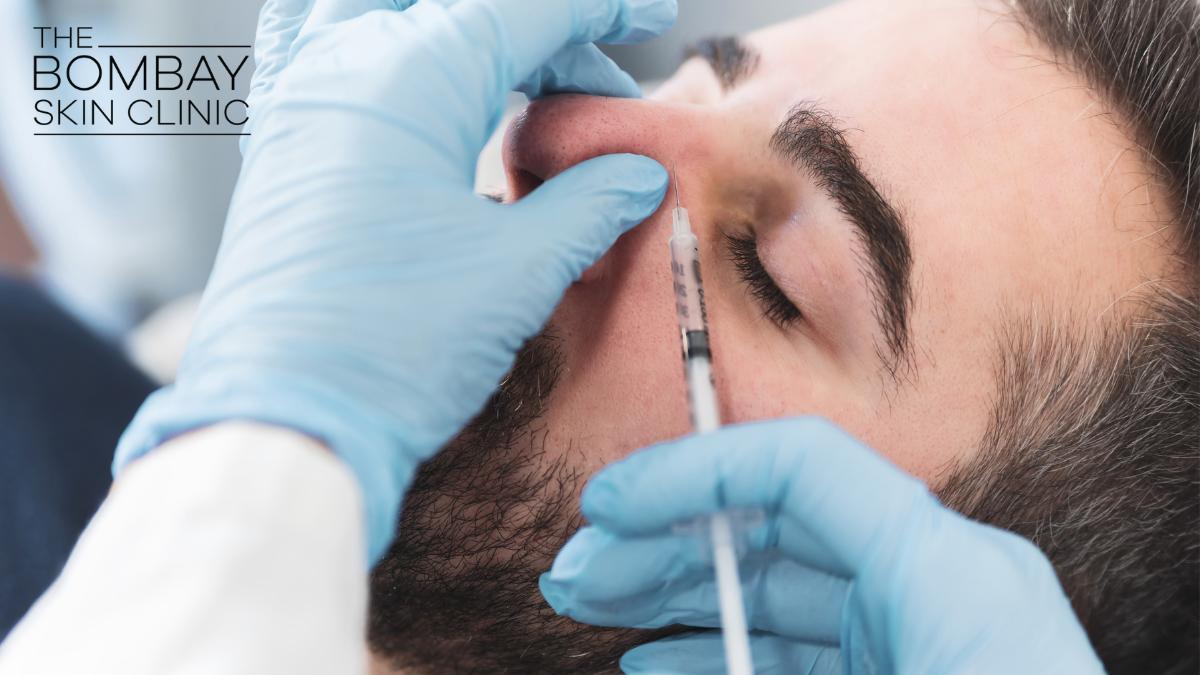
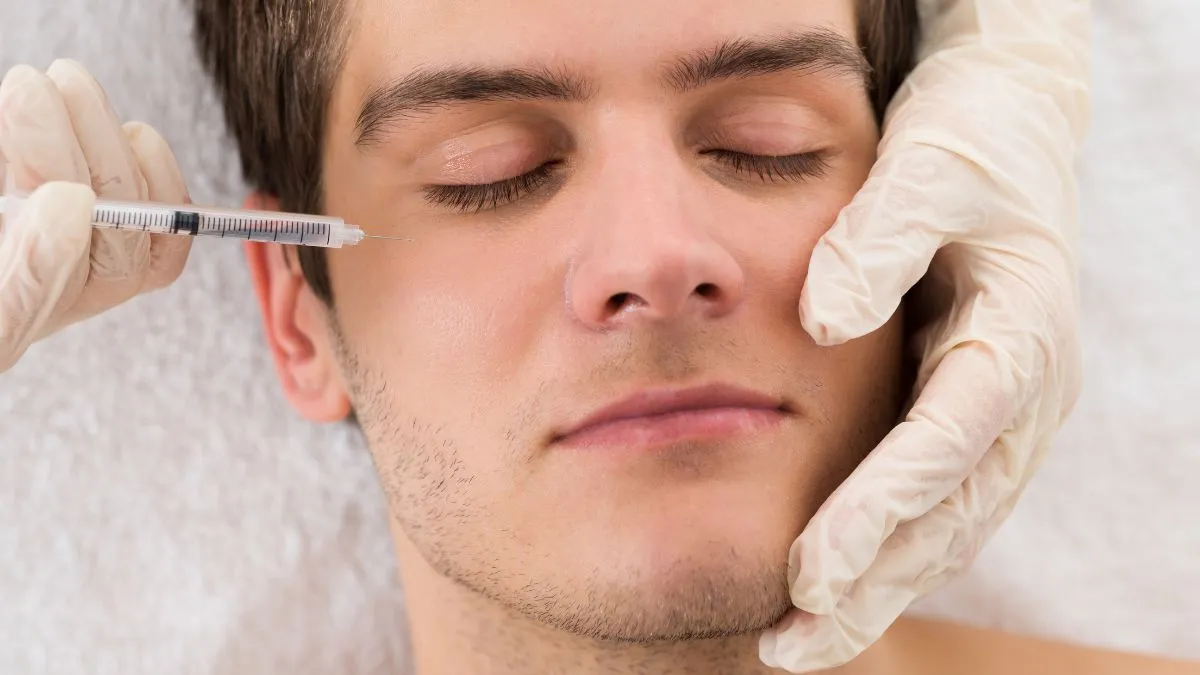
Botox for expression lines
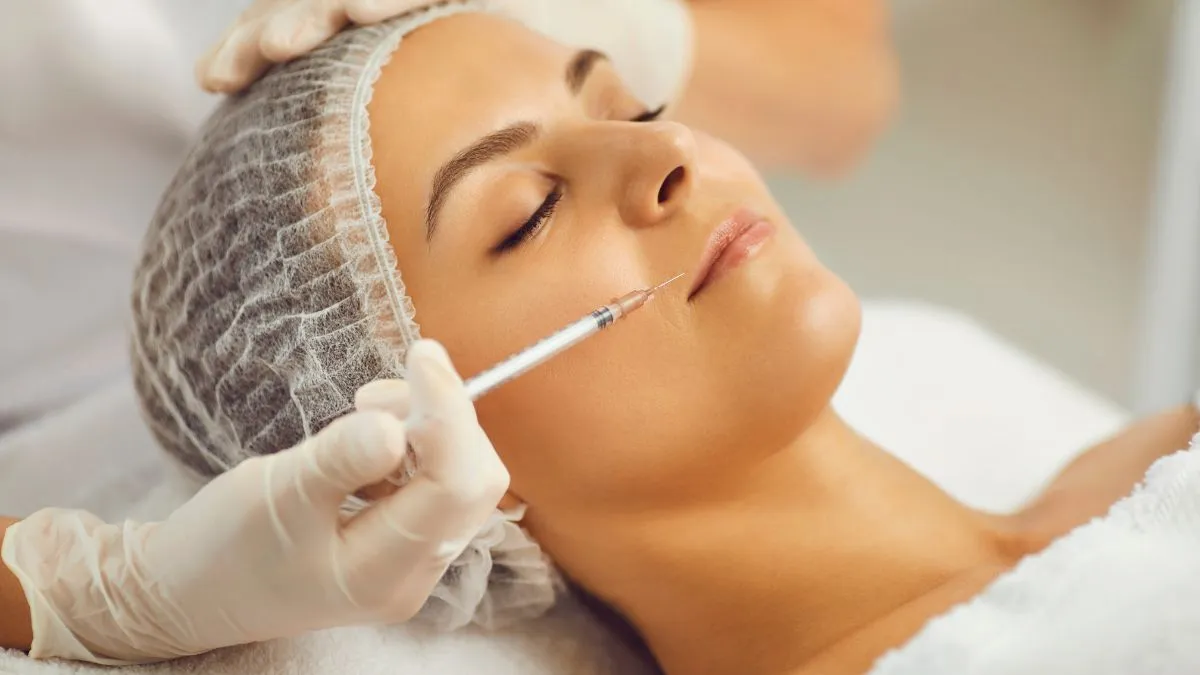
Botox is commonly used for dynamic wrinkles such as forehead lines, frown lines and crow’s feet. It works by reducing excess muscle activity in selected facial areas.[3]
At consultation, the dermatologist assesses expression pattern, symmetry and how much movement should be softened to keep results appropriate for the face.
Dermal fillers for deeper folds and volume loss
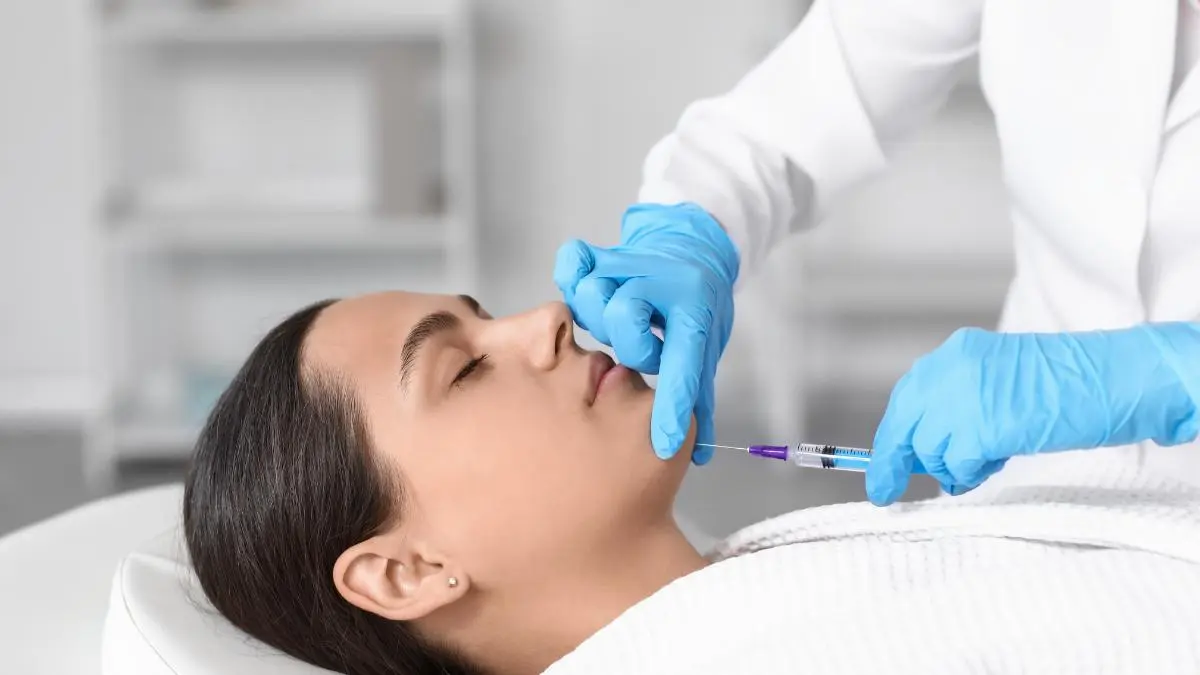
Dermal fillers are used when wrinkles are linked to support loss, hollowing or deeper folds. They are often considered for smile lines, marionette lines and certain contour changes in the mid-face or lower face.[4]
They are not chosen only by age. They are chosen by anatomy, skin quality and whether the face needs support, not just smoothing.
HIFU for skin tightening and lift support
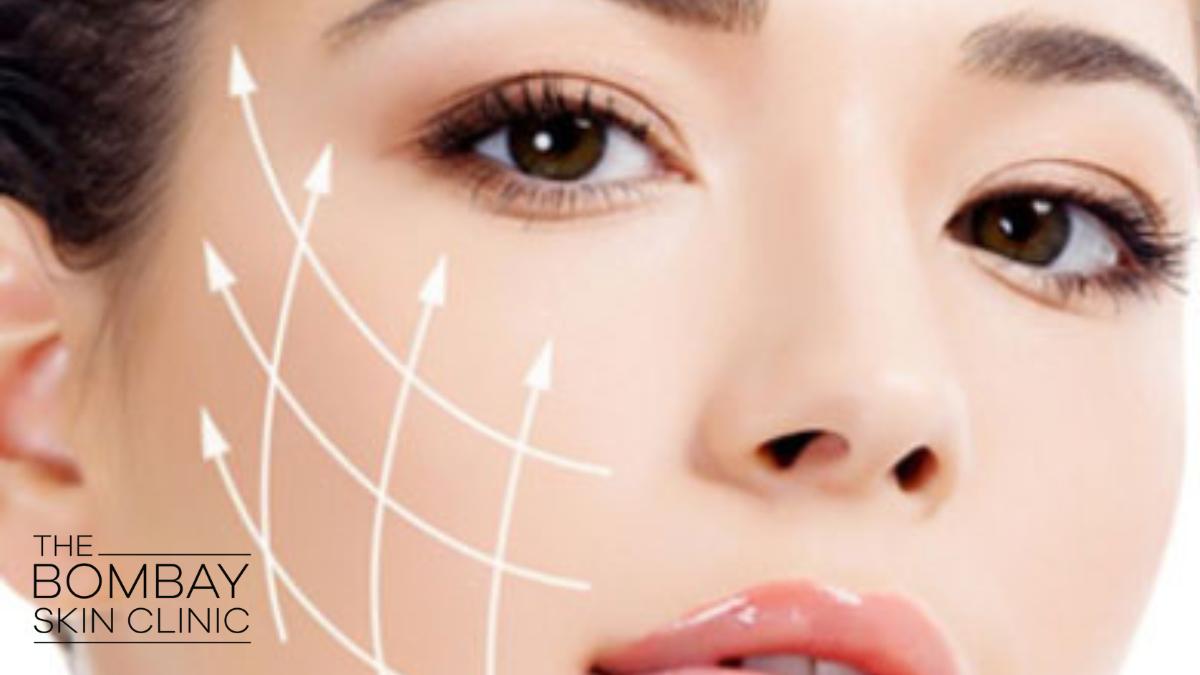
HIFU is a non-surgical energy-based treatment used in selected cases to support tightening. It is generally considered when wrinkles are accompanied by mild to moderate laxity rather than when the concern is only a surface line.
Results are usually gradual and depend on patient selection, skin quality and realistic goals.
Laser facial treatments for resurfacing and collagen support
Laser-based facial treatments may help when wrinkles are linked to textural ageing, photodamage and reduced skin renewal. They are often considered for fine lines and overall skin quality improvement.[5]
The exact type of laser approach depends on the concern, recovery tolerance and skin assessment.
EndoliftX for tightening and contour support
EndoliftX is generally considered where there is a need for tightening and contour support along with ageing-related skin changes. It is not the same as a simple surface wrinkle treatment.
This option may be discussed when the concern includes laxity, lower-face heaviness or a desire for a more structured, device-led tightening plan.
Microneedling and microneedling with exosomes
Microneedling is often used to support collagen response and improve skin texture. In wrinkle-focused plans, it is usually more relevant for fine lines, early ageing and skin quality than for deeper folds.[5]
Microneedling with exosomes may be discussed in some clinics as an adjunctive option. Because evidence is still evolving, it should be positioned carefully and only after in-clinic suitability assessment.
ROSE Exosome Therapy and PRP or PRF as supportive options
Exosome-based approaches and PRP or PRF are sometimes discussed as supportive or adjunctive treatments in skin rejuvenation. They may be considered where the aim is overall skin quality support rather than direct correction of established deep wrinkles.
Because evidence and standardisation are still developing in some of these areas, these are best treated as supportive options, not stand-alone answers for all wrinkle concerns.
Chemical peels, HydraFacial, Oxygen Facial and other clinic facials for early wrinkles
Chemical peels and clinic facials may suit mild textural ageing, uneven surface build-up and dullness that makes lines look more obvious. In early or superficial wrinkling, these can support smoother-looking skin.
They are usually part of maintenance or combination care, not a replacement for treatments needed for dynamic lines, deeper folds or laxity.
Red light therapy and IV support, where they fit and where they do not
Red light therapy and IV support are sometimes explored as part of a broader wellness or skin support plan. However, they should not be positioned as primary wrinkle correction for established lines or folds.
If used, they are best understood as adjuncts. The main wrinkle strategy still depends on the actual cause of the wrinkle.
How does wrinkle treatment work?
Relaxing overactive facial muscles
Dynamic wrinkles form because certain facial muscles repeatedly fold the skin. Muscle-relaxing injections reduce this overactivity in selected areas, which can soften lines and reduce further creasing.[3]
This is why they are usually chosen for upper-face expression lines rather than for all wrinkle types.
Replacing or supporting lost volume
Some wrinkles are not caused by movement, but by a loss of support under the skin. In these cases, filler-based correction may help restore contour and reduce fold depth.[4]
Support must be placed with care. The aim is balance and structure, not heaviness.
Stimulating collagen and elastin
Energy-based treatments, microneedling and some resurfacing approaches aim to trigger controlled skin repair, which can support collagen remodelling over time.[5]
These options usually need patience because the result is gradual and linked to the skin’s healing response.
Improving surface texture, tone and reflectance
When skin becomes rough, dry, dull or photodamaged, wrinkles can look more obvious. Surface-focused treatments help by improving texture, smoothness and brightness, which can reduce the visual impact of fine lines.
This is why a combined approach often gives a more balanced result than focusing only on one line.
How many sessions are usually needed?
Single-session treatments
Some wrinkle treatments are commonly performed as single sessions with later review, especially when the result comes from a specific injectable or device-based intervention. However, even single-session treatments often need maintenance later to sustain the effect.
Whether one session is enough depends on the type of wrinkle and the treatment goal.
Treatments done as a course
Treatments aimed at collagen support, resurfacing or texture improvement are often done as a series rather than a one-time session.[5]
This is because gradual skin quality change usually needs repetition and review over time.
Maintenance sessions and review visits
Ageing continues even after successful treatment, so maintenance is often part of the plan. Review visits help assess response, refine the approach and decide whether supportive treatment is needed.
The interval varies by treatment type, facial movement pattern, skin condition and personal goals.
What downtime should you expect after wrinkle treatment?
Treatments with little to no downtime
Some injectable and supportive wrinkle treatments involve little to no social downtime. Mild redness, swelling or small marks may settle quickly depending on the procedure.
These are often chosen by people who want minimal interruption to work or social commitments.
Treatments with short social downtime
Procedures such as certain peels, microneedling or selected device-based treatments may involve redness, sensitivity or a short recovery window before the skin feels presentation-ready.
Downtime is usually not judged only by healing time, but by how comfortable you feel returning to office, meetings or events.
Treatments that may need more recovery planning
Resurfacing and stronger tightening procedures may need more structured recovery planning. This can include visible redness, swelling or skin roughness for a longer period depending on the treatment intensity.
If you have an event, travel plan or important work commitment in Mumbai, that timing should be discussed before treatment.
Is wrinkle treatment safe?
Wrinkle treatment can be safe when the right treatment is matched to the right person, under medical assessment and with appropriate technique. Safety depends on diagnosis, skin examination, product or device selection, hygiene standards and good follow-up.[3][4]
No treatment is risk-free. A safe plan is one that also includes knowing when not to treat, when to delay and when to use an adjunct rather than a primary procedure.
Who should avoid or postpone wrinkle treatment?
Pregnancy and breastfeeding considerations
Some wrinkle treatments may be postponed during pregnancy or breastfeeding because safety data may be limited or because treatment timing can be more conservative during this phase.
This does not mean all skin care must stop. It means wrinkle treatment choices may need to be adjusted after assessment.
Active skin infection, irritation or recent procedures
If you have an active rash, infection, open lesion, herpes flare, severe sensitivity or very recent skin procedure, treatment may need to wait until the skin barrier is stable.
This helps reduce avoidable irritation and supports better healing.
Bleeding risk, allergy history and autoimmune or medical considerations
Certain medicines, bleeding issues, prior allergy history, keloid tendency or autoimmune conditions may affect whether a treatment is suitable or how it should be planned.
This is why a complete medical history matters, even for aesthetic treatments that seem simple.
Unrealistic expectations and body-image concerns
If a person expects every line to disappear or wants treatment that does not match their anatomy, a pause for counselling and expectation-setting may be more appropriate than immediate treatment.
Good wrinkle treatment aims for improvement that looks appropriate to the face, not a one-note or overcorrected result.
Wrinkle treatment vs other anti-ageing options, how do they compare?
Botox vs fillers
Botox is generally used for movement-related wrinkles, while fillers are more relevant for folds, support loss and deeper static lines.[3][4] They do not do the same job.
Choosing between them depends on the cause of the wrinkle, not on which treatment is more popular.
HIFU vs microneedling
HIFU is usually discussed more in the context of tightening support, while microneedling is usually discussed more for collagen stimulation and texture improvement.[5]
If laxity is the larger issue, the plan may lean one way. If early textural ageing is the main concern, it may lean the other way.
Laser resurfacing vs chemical peels
Laser resurfacing may be used when greater control over texture-focused correction is needed, while chemical peels are often chosen for more superficial renewal depending on the peel type and patient profile.[5]
Both can help certain fine lines, but not all wrinkles need resurfacing.
Exosomes or PRP or PRF vs core wrinkle treatments
Exosomes, PRP and PRF are better seen as supportive or adjunctive options in selected cases, especially where the aim is skin quality support. They should not automatically replace better-established options for dynamic lines, deep folds or laxity-focused ageing.
This is particularly important where evidence is still developing or treatment protocols are not yet standardised.
HydraFacial and facials vs medical wrinkle treatments
Facials can help the skin look fresher and smoother, but they do not address all the mechanisms behind wrinkles. They are useful when the goal is maintenance, hydration and early surface improvement.
For persistent or structural lines, medical wrinkle treatments are often more relevant.
Why patients in Mumbai often choose a combination approach
Matching treatment to wrinkle type, ageing pattern and downtime tolerance
Many people have more than one type of wrinkle at the same time. For example, they may have dynamic upper-face lines, some lower-face volume loss and a general decline in skin texture. A combination approach allows each concern to be addressed more appropriately.
This often gives a more balanced result than trying to force one treatment to solve every ageing change.
Planning around work, events and Mumbai weather
In Mumbai, heat, humidity, sun exposure, social schedules and work demands often influence treatment selection. Some patients want minimal downtime before office days, travel or weddings, while others are comfortable planning stronger treatment during quieter periods.
Timing is part of treatment planning, not just a practical detail.
Why one treatment rarely suits every wrinkle concern
A forehead line, a smile line and crepey cheek skin may all be called wrinkles, but they usually do not respond best to the same treatment. This is why treatment should be selected by mechanism, not by trend.
Good outcomes usually come from matching the plan to the biology of the concern.
What is the cost of wrinkle treatment at The Bombay Skin Clinic?
Indicative pricing can vary widely across treatment categories. Supportive facials and peels may start lower, while injectables, tightening devices and structured combination plans may start higher depending on indication and scope.
As a broad guide, wrinkle treatment in Mumbai may start from around Rs.8,000 for selected entry-level procedures, while more advanced injectable or device-based plans may start significantly higher after assessment. Final pricing should always be treated as indicative until the consultation confirms suitability and scope.
Frequently asked questions
Which is the best wrinkle treatment for the face?
There is no single best wrinkle treatment for every face. The best option depends on whether the wrinkle is caused by facial movement, support loss, sun damage, textural ageing or laxity. A consultation helps match the treatment to the cause rather than the trend.
At what age should I start wrinkle treatment?
There is no fixed age. Some people seek treatment earlier for expression lines, while others only consider it when lines stay visible at rest. The decision is usually based on concern, anatomy and goals, not on a specific age number.
Is wrinkle treatment painful?
Most wrinkle treatments are described as manageable, but comfort varies by procedure and by person. Some feel like tiny pricks, while others involve heat or pressure. Clinics often use comfort measures depending on the treatment.
Can wrinkle treatment look natural?
Yes, when the treatment is planned well and matched carefully to the face, wrinkle treatment can look natural. Natural-looking improvement usually means the face still looks like you, only fresher or less tired.
How long does wrinkle treatment last?
It depends on the treatment, area, skin quality, facial movement and lifestyle factors. Some options wear off sooner, while others work more gradually and may last differently depending on maintenance and sun exposure.[2][3][4]
Which wrinkle treatment has the least downtime?
Treatments with the least downtime are often selected for dynamic wrinkles or mild early concerns, but suitability still depends on your skin and goals. The best low-downtime option is the one that is appropriate for the type of wrinkle you actually have.
Sources
- American Academy of Dermatology Association. Wrinkles: Why they appear and what you can do. Available from: https://www.aad.org/public/cosmetic/safe-aging/wrinkles
- World Health Organization. Ultraviolet radiation. Available from: https://www.who.int/news-room/questions-and-answers/item/radiation-ultraviolet-(uv)
- Sundaram H, Signorini M, Liew S, Trindade de Almeida AR, Fagien S, Swift A, et al. Global Aesthetics Consensus: Botulinum Toxin Type A, Evidence-Based Review, Emerging Concepts, and Consensus Recommendations for Aesthetic Use. Plast Reconstr Surg. 2016;137(3):518e-529e. Available from: https://pubmed.ncbi.nlm.nih.gov/26910688/
- Beer K, Gruber RP, Kulbersh J, Dayan S, Joseph JH, Hanke CW, et al. An Expert Approach to Structural Facial Rejuvenation With Fillers. J Drugs Dermatol. 2016;15(1 Suppl):s73-s81. Available from: https://pubmed.ncbi.nlm.nih.gov/26963191/
- Alster TS, Graham PM. Microneedling: A Review and Practical Guide. Dermatol Surg. 2018;44(3):397-404. Available from: https://pubmed.ncbi.nlm.nih.gov/29016573/
Dr. Batul Patel (Dermatologist)
Medical Director – The Bombay Skin Clinic
Dr. Batul Patel is an award winning certified dermatologist, honoured as the “Dermatologist of the Year 2023” at the national level by The Economic Times. View profile