

Dr. Batul Patel (Dermatologist)
Medical Director – The Bombay Skin Clinic
Dr. Batul Patel is an award winning certified dermatologist, honoured as the “Dermatologist of the Year 2023” at the national level by The Economic Times. View profile
Overview | What Is PDRN | How PDRN Therapy Works? | Ideal Candidates for PDRN Therapy | Contraindications and Cautions | PDRN Protocol | What to Expect: Results & Timelines | Risks and Safety | Combining PDRN with Other Treatments | FAQs
Polydeoxyribonucleotide (PDRN) is a clinically studied, minimally invasive regenerative treatment derived from purified salmon DNA. At The Bombay Skin Clinic in Mumbai, PDRN is used under the supervision of a dermatologist to support skin texture, early hair thinning, lip dryness, and under-eye concerns. If you’re considering PDRN therapy in Mumbai, this service page outlines the benefits, safety considerations, and clinical treatment pathway.
What Is PDRN?
PDRN (polydeoxyribonucleotide) is a biologically active compound derived from purified salmon DNA, which has been studied for its regenerative and tissue-repair properties. Evidence indicates that it may support skin rejuvenation by promoting cellular repair and modulating inflammation. At The Bombay Skin Clinic, PDRN is offered as a minimally invasive treatment, incorporated into customized** dermatology-led** protocols. It is typically used to manage concerns such as dullness, dehydration, fine lines, mild under-eye pigmentation, early scalp thinning, and lip resilience.
Helps with:
Dull or dehydrated skin.
Fine lines and mild textural irregularities.
Under-eye pigmentation and skin laxity.
Early signs of scalp thinning.
Lip hydration and resilience.
Session time: 30–45 minutes.
Downtime: Mild and temporary redness or swelling may occur.
Supervised by: Dr. Batul Patel, Dermatologist & Trichologist, and trained therapists working under medical guidance.
How PDRN Therapy Works?
Research suggests that Polydeoxyribonucleotide (PDRN) stimulates the A2A adenosine receptors, which play a key role in reducing inflammation and enhancing fibroblast activity—cells responsible for producing collagen and elastin. This cascade supports dermal repair, promotes tissue regeneration, and helps improve skin elasticity over time.
At The Bombay Skin Clinic, PDRN is incorporated through various delivery methods based on individual skin and scalp needs:
- Microneedling: Targets skin texture and superficial rejuvenation
- Mesotherapy: Delivers hydration to the deeper dermal layers
- Scalp Microinjections: Supports early-stage hair thinning management
All procedures are performed under dermatology-led protocols using sterilised, medical-grade delivery systems. In particular, our microneedling approach using the advanced Dermapen 4 device helps enhance collagen synthesis and improves the penetration of PDRN into the skin barrier. Treatment sessions are tailored to skin condition, and post-treatment effects may include mild redness or sensitivity, which generally resolve within a short period. Results vary by individual and are monitored under clinical follow-up.
Ideal Candidates for PDRN Therapy
At The Bombay Skin Clinic, PDRN therapy may be considered for individuals experiencing early signs of aging such as fine lines or mild sun-related damage, under-eye concerns including dullness or dryness, and post-acne issues like uneven texture or residual pigmentation. It is also explored in cases of initial scalp thinning and to support lip hydration or definition. The therapy is generally well-tolerated across Indian skin types, though individual response and suitability are best determined through a dermatologist-led consultation. As with any medical procedure, treatment plans are customized based on specific concerns, with regular reassessment to ensure safe and effective outcomes.
Contraindications and Cautions
At The Bombay Skin Clinic, PDRN therapy is avoided in individuals with known seafood allergies, active skin infections, or autoimmune conditions that may interfere with normal healing responses. It is also not recommended during pregnancy or breastfeeding due to limited safety data in these groups. A comprehensive medical evaluation is essential before considering treatment, allowing the dermatologist to review overall health status, ongoing medications, and individual risk factors. This assessment helps determine whether PDRN therapy is appropriate and ensures that all procedures are carried out safely under medical supervision.
PDRN Protocol at The Bombay Skin Clinic
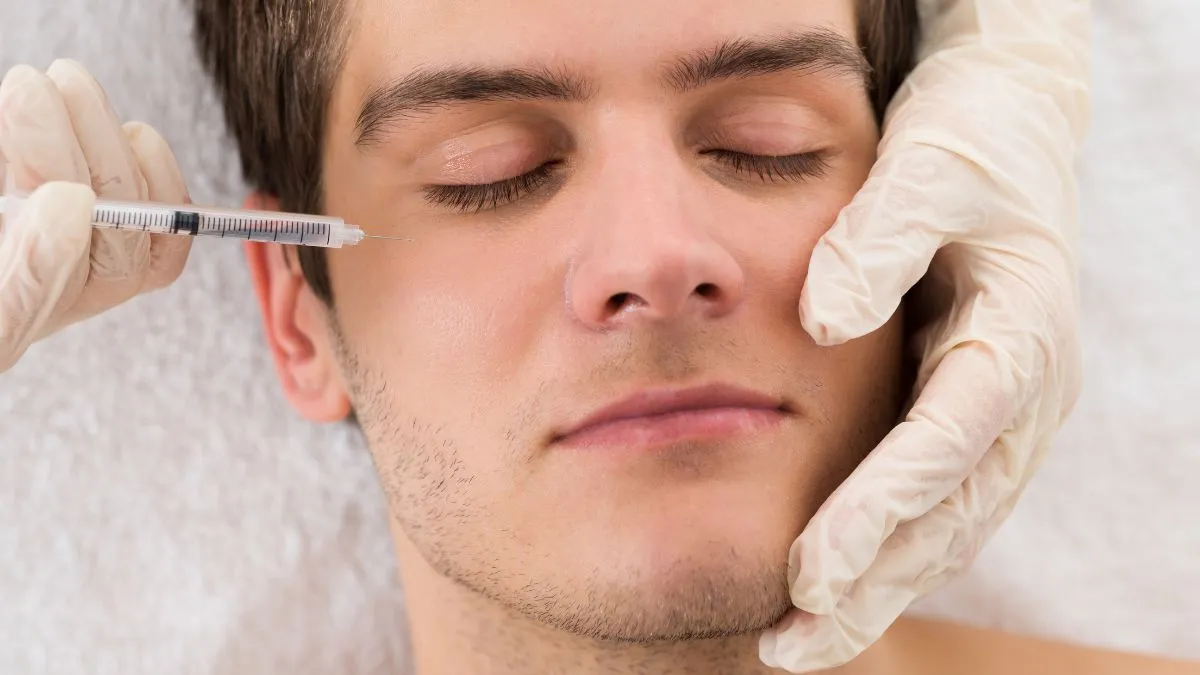
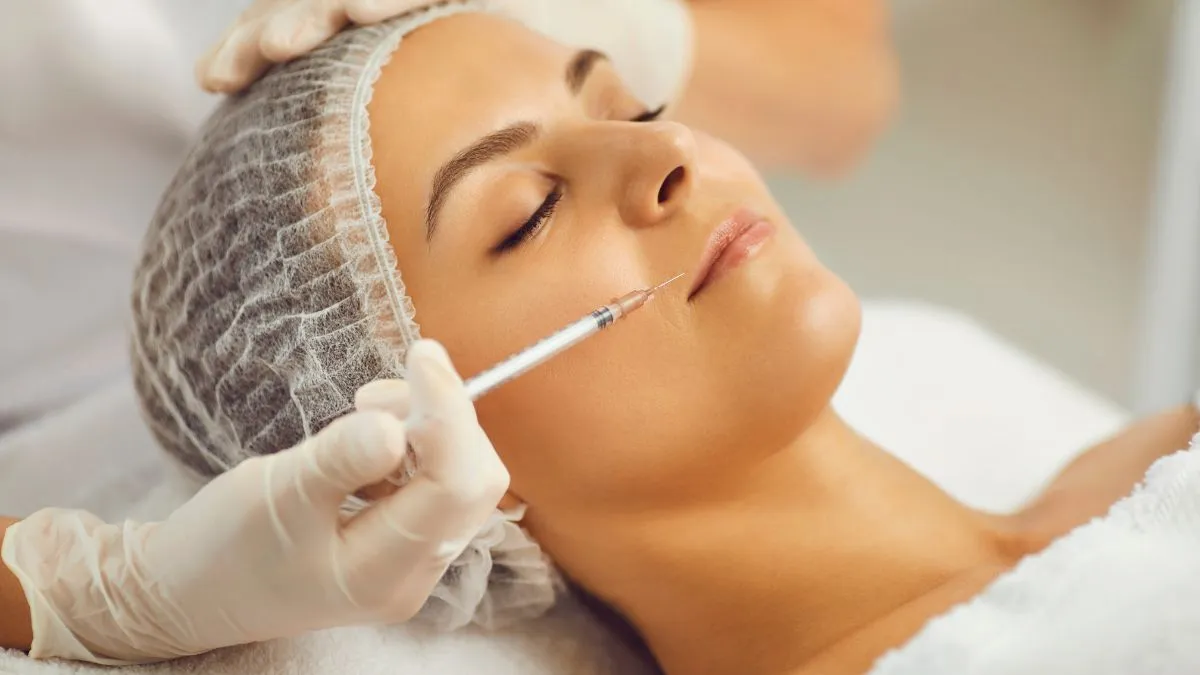
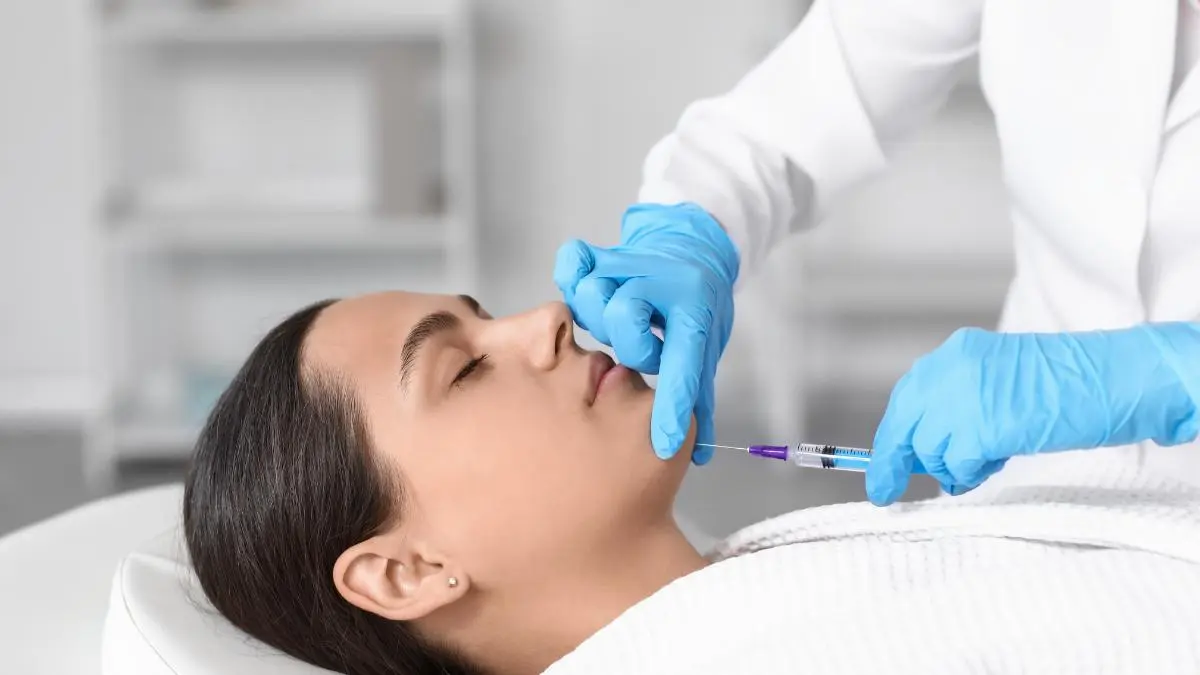
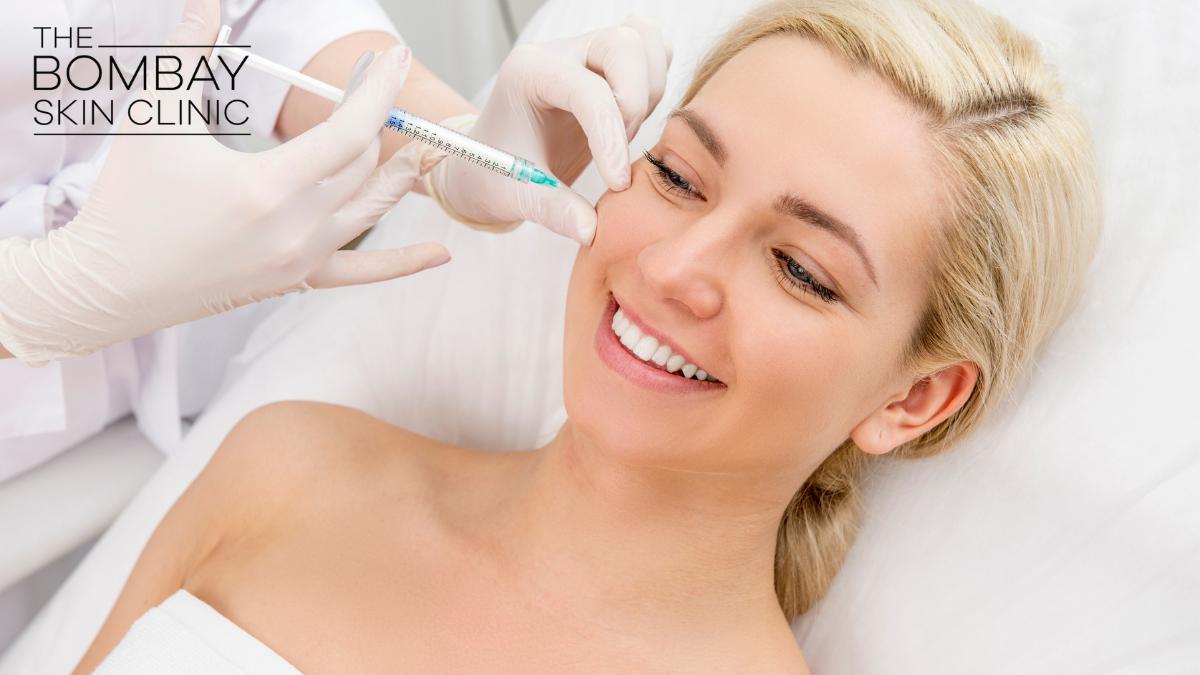
At The Bombay Skin Clinic, PDRN therapy is conducted under dermatologist-led supervision, beginning with a detailed consultation and clinical assessment by Dr. Batul Patel. The treatment approach is tailored based on whether the concern involves the skin or scalp. Once suitability is confirmed, the area is prepared with thorough cleansing, and topical anesthesia is applied where required for patient comfort. PDRN is then delivered using methods such as microneedling, mesotherapy, or targeted microinjections—each selected based on the depth and nature of the concern. Following the procedure, cooling is provided, and post-care guidance is shared to support optimal recovery.
Most treatment protocols involve 3 to 4 sessions spaced approximately 3 to 4 weeks apart. Maintenance sessions may be recommended depending on the individual’s skin or scalp response. Some patients also choose to complement PDRN therapy with customized, dermatologist-supervised medi-facials—especially when treating sensitive areas such as the lips or under-eye region—which helps to enhance hydration and support ongoing skin repair.
What to Expect: Results & Timelines
At The Bombay Skin Clinic, patients undergoing PDRN therapy typically begin to notice gradual improvements after a few sessions. Enhanced skin glow and hydration are commonly observed after 2 to 3 sessions, while under-eye texture and firmness may show visible refinement within approximately 6 to 8 weeks. Scalp-related benefits—such as improved texture and support in early thinning—may take 8 to 12 weeks to become noticeable. It is important to emphasize that treatment outcomes vary based on individual concerns, age, skin biology, and adherence to post-procedure protocols. To ensure progress is tracked accurately, dermatologist-supervised follow-ups are conducted, with photographic documentation often used to monitor changes over time and adapt the treatment plan as needed.
Risks and Safety
PDRN is considered a minimally invasive treatment and is generally well-tolerated when administered under clinical supervision. At The Bombay Skin Clinic, common post-treatment responses may include mild redness, localized swelling, or occasional bruising at the site of application. These effects are usually temporary and resolve with appropriate aftercare. In rare cases, hypersensitivity reactions may occur, particularly in individuals with known fish or seafood allergies, as PDRN is derived from salmon DNA. To minimize risks, all sessions are performed using sterilized, medical-grade tools and adhere strictly to dermatologist-led protocols. Post-treatment care instructions are provided to support optimal skin recovery and patient comfort. Outcomes and reactions may vary depending on individual skin type, medical history, and treatment site.
Combining PDRN with Other Treatments
At The Bombay Skin Clinic, PDRN therapy is frequently integrated into broader, evidence-based treatment protocols aimed at skin and scalp regeneration. Depending on the individual’s needs and the condition being addressed, PDRN may be combined with:
- Platelet-Rich Plasma (PRP): to support collagen synthesis and wound healing
- Chemical Peels: for targeted resurfacing and pigmentation management
- Microneedling: to enhance transdermal absorption and skin texture
These combination protocols are always personalized following a dermatological evaluation by Dr. Batul Patel. The goal is to optimize therapeutic outcomes while ensuring safety and tolerance. All treatments are carefully sequenced and spaced to reduce overlap in recovery periods and maintain treatment efficacy.
Conclusion
At The Bombay Skin Clinic, all PDRN treatments are planned and supervised by Dr Batul Patel. Our focus is on safety, measurable outcomes, and long-term skin health. For patients in Mumbai seeking regenerative treatment for skin or hair, a consultation is the first step toward a personalized plan.
References
- Sciencedirect. Polydeoxyribonucleotide: A promising skin anti-aging agent URL: https://www.sciencedirect.com/science/article/pii/S2096691122000723
- Seyedeh Melika Akaberi Polydeoxyribonucleotide in Skincare and Cosmetics: Mechanisms, Therapeutic Applications, and Advancements Beyond Wound Healing and Anti-aging URL: https://brieflands.com/journals/jssc/articles/159728
- Seokmuk Park, Polydeoxyribonucleotides as Emerging Therapeutics for Skin Diseases: Clinical Applications, Pharmacological Effects, Molecular Mechanisms, and Potential Modes of ActionURL: https://www.mdpi.com/2076-3417/15/19/10437
- Front Pharmacol. 2017 Apr 26;8:224.Pharmacological Activity and Clinical Use of PDRN. URL: https://pmc.ncbi.nlm.nih.gov/articles/PMC5405115/
Dr. Batul Patel (Dermatologist)
Medical Director – The Bombay Skin Clinic
Dr. Batul Patel is an award winning certified dermatologist, honoured as the “Dermatologist of the Year 2023” at the national level by The Economic Times. View profile