

Dr. Batul Patel (Dermatologist)
Medical Director – The Bombay Skin Clinic
Dr. Batul Patel is an award winning certified dermatologist, honoured as the “Dermatologist of the Year 2023” at the national level by The Economic Times. View profile
What Is Prejuvenation | Advantages | Who Is Suitable | Results | Price
Prejuvenation is a term many patients now hear before they ever book an aesthetic consultation. In simple terms, it means taking thoughtful early steps to maintain skin quality, support collagen, and reduce the need for heavier corrective work later. It does not mean starting procedures as early as possible. It does not mean treating every young face. It means choosing the right level of care, at the right time, for the right reason.[1][2]
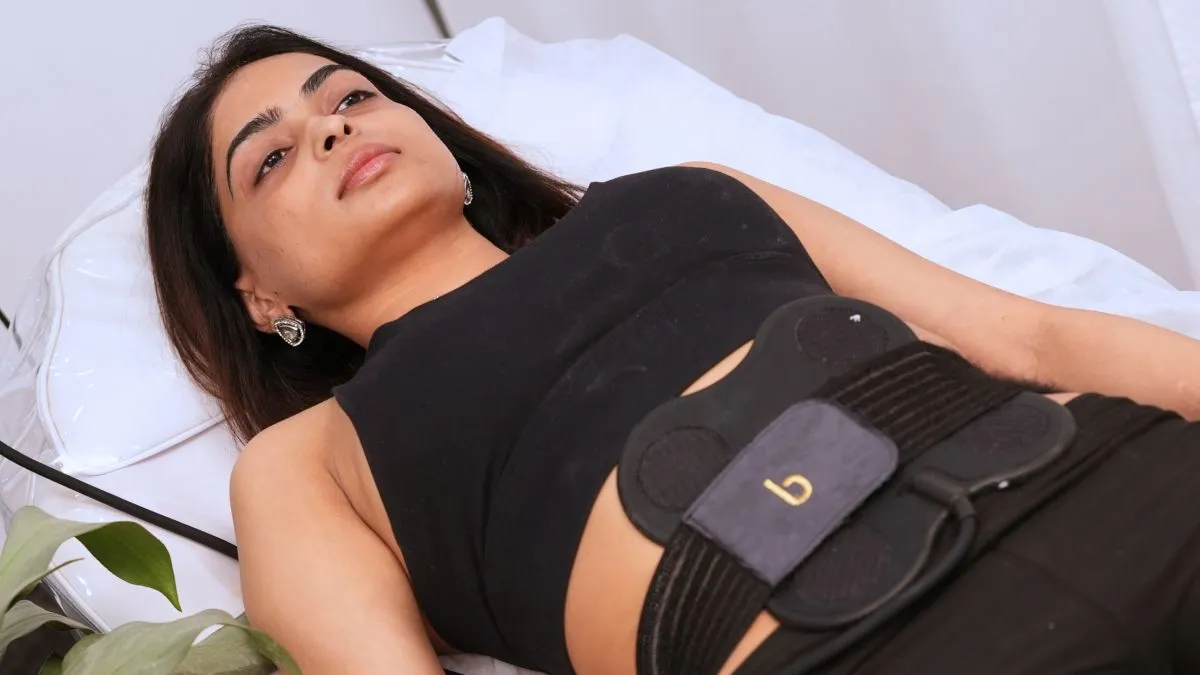
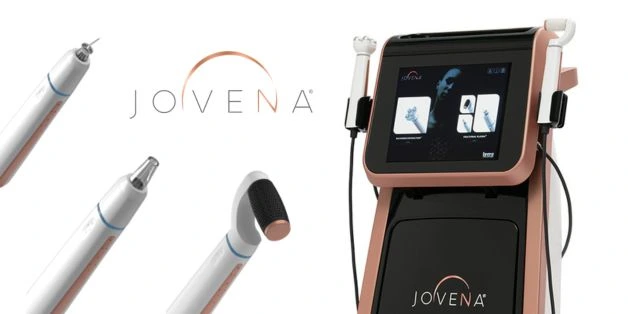
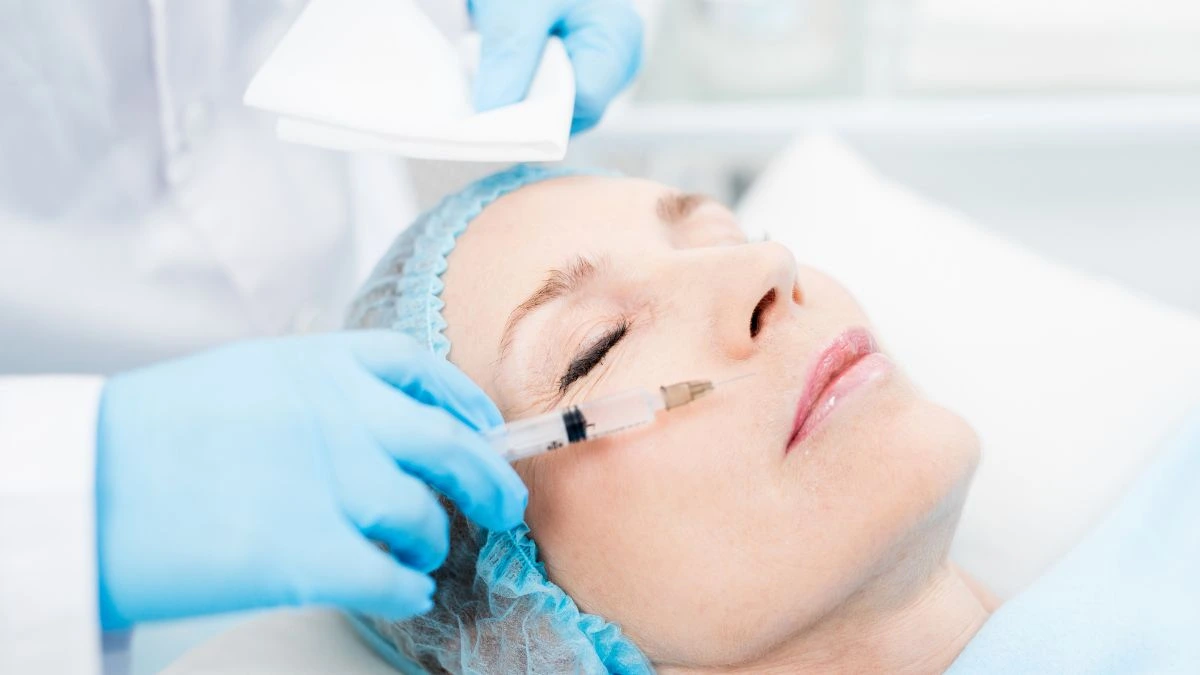
At The Bombay Skin Clinic, we approach prejuvenation as a conservative, diagnosis-first plan. Some patients only need stricter sunscreen use, better barrier care, and targeted correction of tanning, pigmentation, or early textural change. Others may benefit from a supportive in-clinic plan such as microneedling, RF-based collagen support, HIFU, wrinkle-relaxing injections, skin boosters, or selected filler support. The correct plan depends on skin behaviour, facial movement, anatomy, schedule, and comfort with maintenance.[1][3][4][5][6][7]
That approach matters in Mumbai. Our patients often deal with high UV exposure, humidity, pollution, long commutes, irregular sleep, social events, and limited downtime. In Indian skin, concerns such as tanning, post-inflammatory pigmentation, acne marks, dehydration, and uneven texture may become relevant before deeper lines do. So the best prejuvenation plan is rarely the most aggressive one. It is the one that fits your skin, your lifestyle, and your priorities.[2][3][4]
What is prejuvenation?
Prejuvenation is preventive aesthetic dermatology. The aim is not to stop ageing, because no treatment can do that. The aim is to identify early, meaningful changes in skin quality or facial dynamics and support the skin before those changes become more established.[1]
In clinic terms, that may include daily sun protection, evidence-based skincare, collagen-supporting procedures, careful treatment of early expression lines, and conservative structural support in selected patients. It is better understood as a strategy than as a single treatment.[1][2]
What are the advantages of prejuvenation?
- It can help us protect skin quality early, especially when sun exposure, pollution, acne marks, and dehydration are contributing to a tired or uneven look.[2][3]
- It can help us use lighter, staged interventions rather than waiting until a patient wants stronger correction.[1][4][5]
- It can support better long-term habits, especially sunscreen use, barrier repair, and realistic maintenance.[2]
- It can help us treat what is actually beginning to show, rather than reacting to social media trends.[1]
- For the right patient, it can support fresher, more rested skin while preserving natural expression and facial balance.[5][6][7]
Who may be suitable for prejuvenation, and who may not?
A prejuvenation consultation may suit you if you want subtle, medically guided prevention rather than a dramatic change. We usually think about suitability based on skin behaviour and facial ageing patterns, not age alone.
You may be a reasonable candidate if you:
- have early textural change, enlarged pores, acne marks, tanning, dullness, or uneven tone
- notice expression lines that stay visible for a short time even after movement stops
- want a lower-intervention maintenance plan rather than a late corrective plan
- are comfortable with follow-up and realistic maintenance
- prefer a dermatologist-led assessment over trend-based decision-making
You may not be the right candidate for immediate in-clinic treatment if you:
- have healthy skin and no meaningful concern beyond general anxiety about ageing
- are pregnant or breastfeeding and are asking about injectables or energy-based procedures that are usually deferred
- have an active skin infection, uncontrolled eczema flare, open wounds, severe acne flare, or a recent tan or burn in the area
- have unrealistic expectations, such as wanting to stop ageing or avoid all future changes
- would benefit more from a skincare reset, pigment control, or acne management before any aesthetic step
In practice, many younger patients do not need a procedure at all. They often benefit first from sunscreen discipline, better skincare, and correction of pigment or barrier stress. That is still prejuvenation when it is medically appropriate.[1][2]
How does prejuvenation work?
Prejuvenation works by targeting the earliest visible drivers of skin ageing and facial tiredness. The exact mechanism depends on the chosen treatment, but the logic is consistent. We look at sun damage, inflammation, collagen decline, repetitive facial movement, hydration, and facial balance, then decide whether the answer is skincare alone or whether a supportive clinic procedure adds value.[1][2]
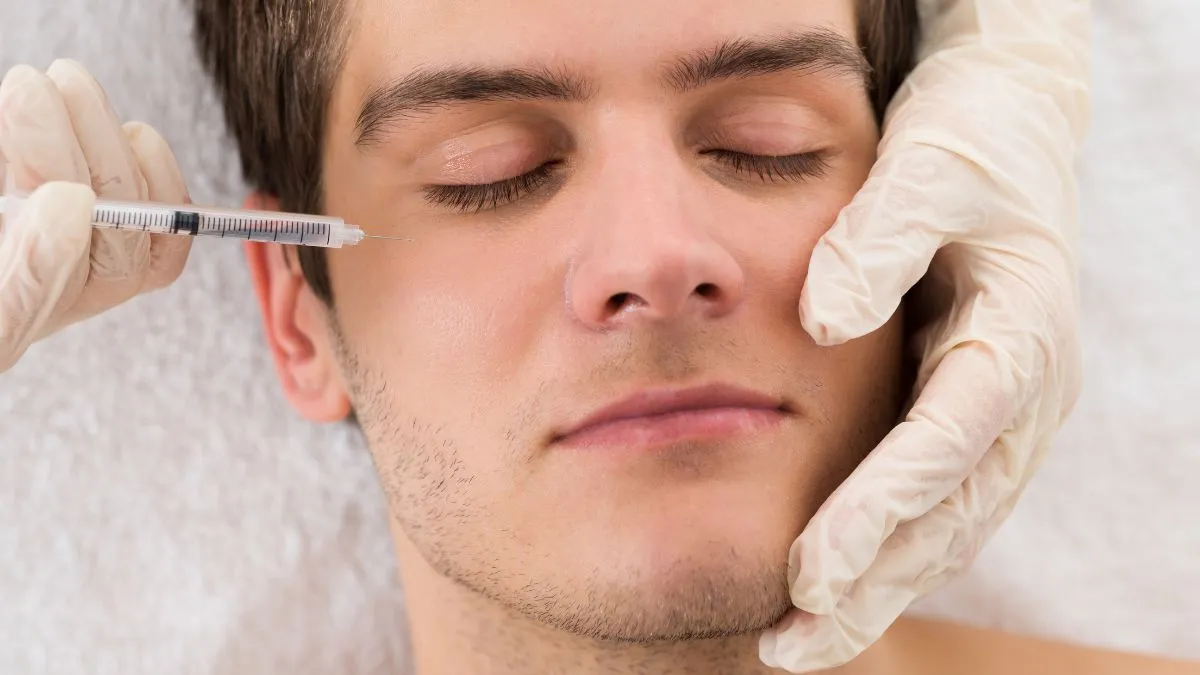
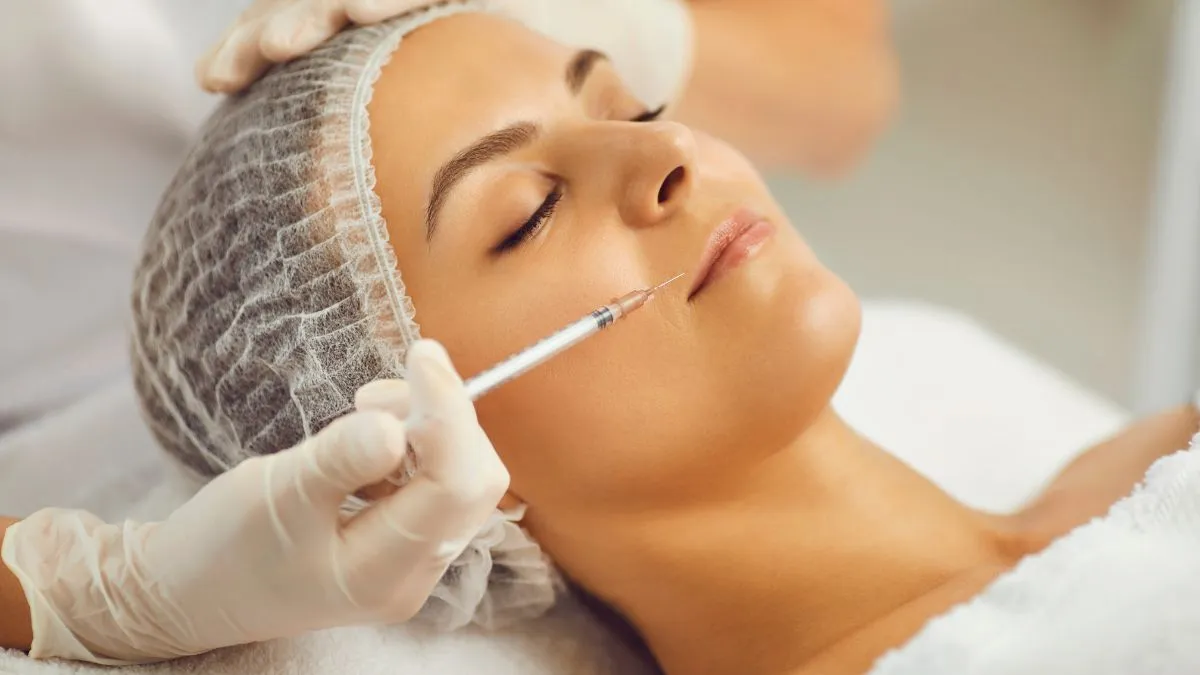
For example, daily sunscreen reduces ongoing UV injury and helps slow photoageing.[2] Microneedling and RF-based treatments are used as collagen-supporting options that may improve texture, pores, and mild laxity over time.[3][4] HIFU is used as a non-surgical, supportive tightening option in selected patients with early skin laxity, though it is not a substitute for surgery where laxity is advanced.[5] Botulinum toxin works by reducing overactive muscle pull in selected areas, which may soften early dynamic lines.[6] Skin boosters are used as supportive hydration-focused injectables that may improve skin quality and glow.[7] Fillers are different. Their role is structural support, not surface hydration, and they should be used conservatively in younger patients because safety, product choice, and anatomy matter.[8][9]
That is why the first consultation matters so much. A patient asking for “preventive Botox” may actually need help with pigment and barrier repair. A patient asking for a skin booster may be better served by microneedling. A patient asking for filler may not need volume at all. The better the diagnosis, the better the outcome.
What does the session plan usually look like, and how comfortable is it?
- Microneedling and RF-based collagen-supporting treatments often work best as a short course, commonly spaced a few weeks apart, because collagen remodelling is gradual.[3][4]
- HIFU is often planned as a single session with review, or as a staged session depending on laxity and treatment area.[5]
- Wrinkle-relaxing injections are often done in one visit with a review after the early settling phase, then maintained periodically if still needed.[6]
- Skin boosters are often staged across an initial series before moving to maintenance.[7]
- Fillers are often done in a single session, sometimes with review, but only if structure truly needs support.[8][9]
Comfort also depends on the treatment. Some procedures feel like light prickling or heat. Others may feel more intense in bony or thinner areas. We usually discuss numbing, cooling, treatment depth, and what level of sensation is realistic before we start, so the session feels planned rather than surprising.
What downtime should you realistically plan for?
Downtime varies, and this is where many generic articles oversimplify the subject. “No downtime” is not a safe blanket promise. A more honest answer is that some prejuvenation options have very little downtime, while others need a few days of visible recovery.
- Skincare-only plans usually have no downtime, though active ingredients may need gradual introduction.
- Microneedling commonly causes short-lived redness, tightness, and mild sensitivity for a few days.[3]
- RF microneedling may cause redness, warmth, pinpoint crusting, or mild swelling for a short period, with recovery varying by depth and energy settings.[4]
- HIFU usually involves limited downtime, but temporary tenderness, mild swelling, or a sore feeling can occur.[5]
- Wrinkle-relaxing injections often have minimal downtime, though small bumps, redness, or bruising may occur briefly.[6]
- Skin boosters and fillers can cause swelling, bruising, tenderness, and temporary unevenness early on.[7][8][9]
For Mumbai patients with work meetings, weddings, shoots, or social commitments, this matters. We usually plan timing around real life, not ideal life.
When can you expect results, and how long do they last?
Prejuvenation results are usually gradual. This is one reason patients who want dramatic overnight change may not be ideal candidates for a prevention-first approach.
- Skincare improvements may be noticed over weeks, especially in tone, hydration, and overall skin behaviour.[2]
- Microneedling and RF-based treatments usually improve texture and skin quality gradually over weeks to months as collagen remodelling develops.[3][4]
- HIFU often improves more slowly, because tightening depends on collagen response over time rather than immediate volume change.[5]
- Wrinkle-relaxing injections often begin to settle within days, with fuller effect after the early treatment window.[6]
- Skin boosters and fillers may show an earlier visible change, but final assessment should wait until initial swelling settles.[7][8][9]
Duration also depends on the treatment, the area, sun exposure, smoking, sleep, stress, and whether maintenance is done. This is why we frame prejuvenation as an ongoing strategy, not a one-time fix.
How does prejuvenation compare with related options?
Prejuvenation is not the same as full corrective anti-ageing treatment. Corrective treatment usually addresses more established laxity, deeper lines, stronger volume loss, or more advanced textural damage. Prejuvenation is earlier, lighter, and more selective.
Microneedling and RF microneedling are usually chosen when texture, pores, scars, or early laxity are part of the picture.[3][4] HIFU is more relevant when early tightening or lifting support is the question, especially if the patient wants a non-surgical option.[5] Skin boosters are more about hydration and skin quality support than about lifting.[7] Fillers are for structure and contour, not for treating every sign of “early ageing”.[8][9]
So the question is not which treatment is best in general. The question is which treatment best matches the problem we are actually treating.
Why choose The Bombay Skin Clinic for prejuvenation in Mumbai?
Prejuvenation only works well when it is grounded in assessment, restraint, and continuity. That is where clinic philosophy matters. At The Bombay Skin Clinic, we take a less-is-more approach under dermatologist oversight, with plans that aim to preserve natural expression and suit Indian skin and Mumbai lifestyles.
- We are a dermatologist-led clinic, headed by Dr. Batul Patel.
- We work across Kemps Corner, Bandra, Andheri, and Chembur, so follow-up is easier for many Mumbai patients.
- We use established medical technologies and personalised protocols rather than one fixed package for everyone.
- We keep hygiene, patient selection, and realistic counselling central to planning.
- We help patients choose between skincare, collagen support, injections, and structural support based on what is necessary, not what is trendy.
That difference matters. A patient who is told “you need everything” usually does not need everything. In our clinic, the stronger recommendation is often the simpler one.
To book a consultation, patients can choose the most convenient branch in Kemps Corner, Bandra, Andheri, or Chembur, and our team can guide them on appointment flow, likely downtime, and which doctor-led consultation is most appropriate.
What is the indicative pricing for prejuvenation in Mumbai?
Indicative pricing depends on the concern, the treatment area, and whether the plan involves skincare alone, a device-based series, injectables, or a combination. Because prejuvenation is personalised, there is no single package price that suits everyone.
As a broad guide at our clinic, collagen-supporting or tightening treatments such as selected HIFU sessions may start from around Rs.25,000 depending on area, while dermal filler support generally starts from around Rs.20,000 per syringe. Final pricing depends on diagnosis, product choice, treatment area, and the number of sessions advised. We prefer to share exact costing after assessment so the plan stays medically appropriate and transparent.
Frequently asked questions
What age is right to start prejuvenation?
There is no single age. We usually start when there is a visible concern worth treating or when preventive skincare and sun protection need to be strengthened. The decision is based more on skin behaviour than on age alone.[1][2]
Does prejuvenation always mean Botox or fillers?
No. In many patients, prejuvenation means sunscreen, pigment control, acne-mark correction, microneedling, or another skin-quality plan. Injectables are only one part of the conversation.[1][3][7][8]
Is prejuvenation safe for Indian skin?
It can be, provided the treatment is selected properly and planned around pigment risk, barrier status, recent sun exposure, and the patient’s actual concern. This is one reason dermatologist oversight matters.
Will I look overdone if I start early?
Not if the plan is conservative and medically appropriate. The goal of good prejuvenation is not to make you look treated. It is to help you look fresher and maintain skin quality with restraint.
How many sessions will I need?
That depends entirely on the treatment. Some patients only need skincare and review. Others may need a short series for skin quality, or a single injection session with later maintenance. We only decide this after consultation.[3][4][5][6][7]
What is the best first step if I am unsure?
The best first step is a dermatologist-led consultation. It helps us decide whether you need a treatment at all, which concern matters most, and which option is likely to give you the best value with the least unnecessary intervention.
References
- Haykal D, Nahai F, Cartier H. Prejuvenation: The Global New Anti-Aging Trend. Aesthet Surg J Open Forum. Available from: https://pmc.ncbi.nlm.nih.gov/articles/PMC10339083/ [link]
- American Academy of Dermatology. Sunscreen FAQs. Available from: https://www.aad.org/media/stats-sunscreen [link]
- Jaiswal S, Dhasmana D, Kumar S, et al. Microneedling in Dermatology: A Comprehensive Review of Applications, Technique, and Outcomes. Cureus. 2024. Available from: https://pmc.ncbi.nlm.nih.gov/articles/PMC11499218/ [link]
- Tan MG, Jo CE, Chapas A, Khetarpal S. Radiofrequency Microneedling: A Comprehensive and Critical Review. Dermatol Surg. 2021. Available from: https://pubmed.ncbi.nlm.nih.gov/33577211/ [link]
- Ayatollahi A, Firooz A, Janani L, et al. Systematic review and meta-analysis of safety and efficacy of high intensity focused ultrasound in facial and neck rejuvenation. J Cosmet Dermatol. 2020. Available from: https://pubmed.ncbi.nlm.nih.gov/32026164/ [link]
- Sundaram H, Signorini M, Liew S, et al. Global Aesthetics Consensus: Botulinum Toxin Type A, Evidence-Based Review, Emerging Concepts, and Consensus Recommendations for Aesthetic Use. Plast Reconstr Surg. 2016. Available from: https://pmc.ncbi.nlm.nih.gov/articles/PMC5242214/ [link]
- Rho NK, Kim HS, Yi KH. Injectable “Skin Boosters” in Aging Skin Rejuvenation. J Clin Med. 2024. Available from: https://pmc.ncbi.nlm.nih.gov/articles/PMC11560330/ [link]
- Hong GW, Tay TKY, Choong AMTL, et al. Review of the Adverse Effects Associated with Dermal Filler Treatments. Diagnostics (Basel). 2024. Available from: https://pmc.ncbi.nlm.nih.gov/articles/PMC11311355/ [link]
- U.S. Food and Drug Administration. Dermal Filler Do’s and Don’ts for Wrinkles, Lips and More. Available from: https://www.fda.gov/consumers/consumer-updates/dermal-filler-dos-and-donts-wrinkles-lips-and-more [link]
Dr. Batul Patel (Dermatologist)
Medical Director – The Bombay Skin Clinic
Dr. Batul Patel is an award winning certified dermatologist, honoured as the “Dermatologist of the Year 2023” at the national level by The Economic Times. View profile