

Dr. Batul Patel (Dermatologist)
Medical Director – The Bombay Skin Clinic
Dr. Batul Patel is an award winning certified dermatologist, honoured as the “Dermatologist of the Year 2023” at the national level by The Economic Times. View profile
What Is Skin Booster Treatment | Key Benefits |
Who Is a Good Candidate | Procedure & Sessions | Safety & Results Timeline | Price
What is a skin booster treatment?
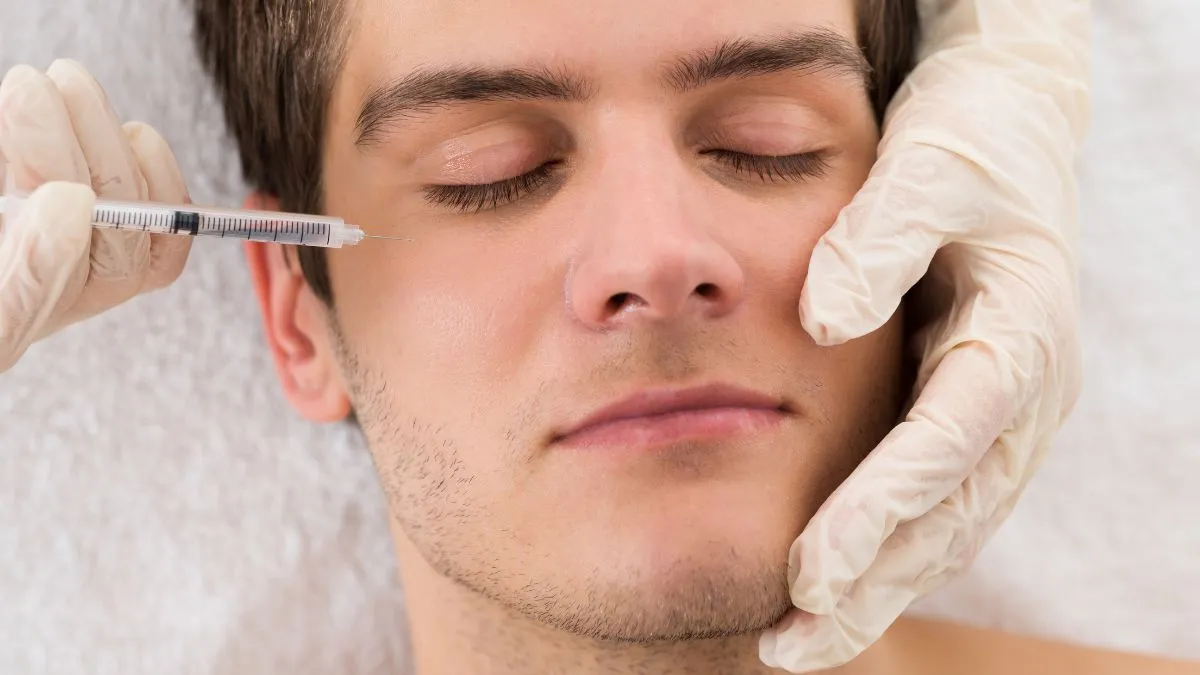
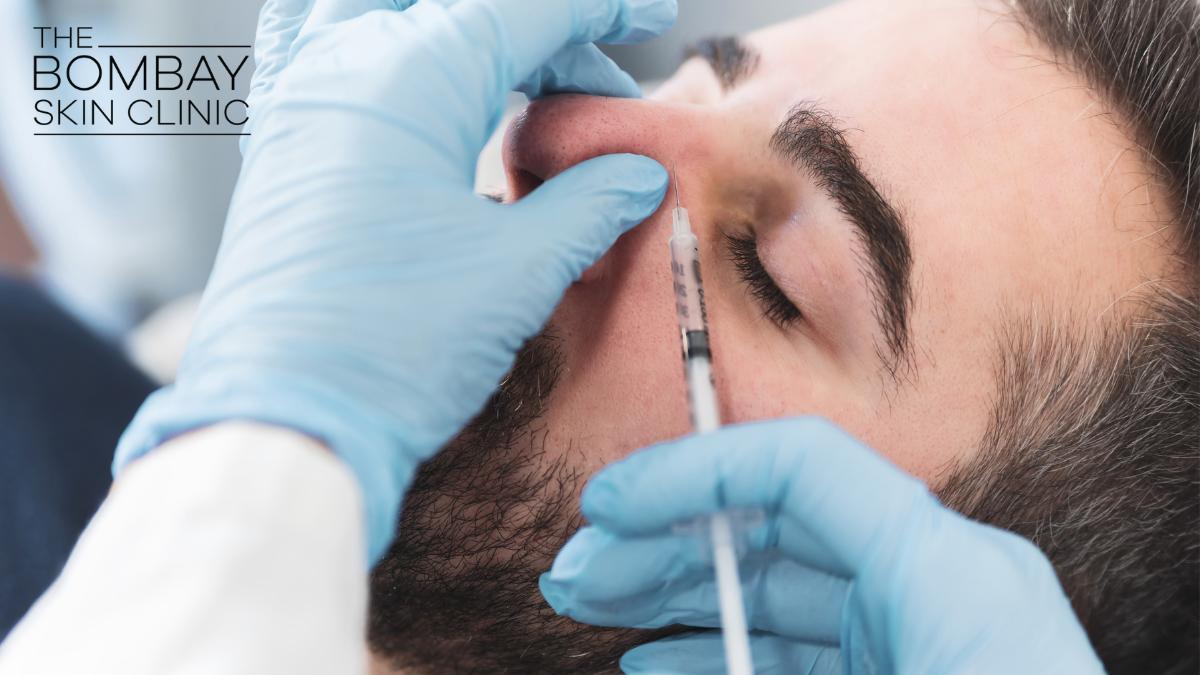
Skin booster treatment is an injectable procedure that uses very soft, gel-like hyaluronic acid placed superficially into the skin to improve hydration, texture and overall skin quality. It is not a traditional “volumising” filler. Instead of changing the shape of your face, the main goal is to support the skin from within so that it looks fresher, smoother and more radiant over time.[1–3]
At The Bombay Skin Clinic in Mumbai, our dermatologists use skin boosters as part of a broader anti-ageing and skin quality plan. The treatment is usually combined with good skincare, sun protection and, where needed, other in-clinic procedures. It is considered a supportive option and not a replacement for healthy lifestyle, medical treatment for skin diseases or surgical procedures.
How is a skin booster different from regular moisturisers or facials?
Regular moisturisers and facials mainly work on the surface of the skin. Their effect depends on how often you use them and how well you maintain your routine.
- Skin boosters are injected into the middle layer of the skin (dermis), where they can directly bind water and improve hydration from within.[1–3]
- The hyaluronic acid used in skin boosters is specially designed to stay in the skin for a longer time than topical products.
- Unlike one-time facials, skin boosters are usually done as a series of sessions to gradually support skin quality.
Skin booster vs dermal fillers – what is the main difference?
Both skin boosters and many dermal fillers contain hyaluronic acid, but they are formulated and used differently.[2–4]
- Dermal fillers are usually thicker gels used to restore volume, contour the cheeks, chin or lips, or fill specific deep lines.
- Skin boosters are thinner, more spreadable gels used to hydrate and improve the overall texture of the skin.
- Skin boosters are injected in many tiny points across larger areas like the cheeks, forehead or neck rather than in focused pockets for shape change.
- Most people look the same but more rested and hydrated after skin boosters, not “filled” or obviously changed.
Key benefits of skin booster treatment for your skin
Hydration, glow and fine-line softening
Multiple clinical studies have shown that injectable hyaluronic acid can improve facial skin hydration, firmness, brightness and elasticity.[1,2] Many patients describe the effect as looking “less tired” and more even.
- Improved deep hydration in the dermis
- Softer appearance of fine lines caused or worsened by dryness
- More even, smoother surface texture
- Healthier-looking glow rather than only a shiny top layer
Skin texture, elasticity and “tired” skin improvement
With age, stress, late nights and pollution, the skin can look dull, crepey or “tired” even in younger people. Stabilised hyaluronic acid skin boosters are designed to attract and hold water in the dermis, which can support skin elasticity and softness over a period of months.[1–3]
- Support for mild crepiness on cheeks, under the eyes (in selected patients) or neck
- Improvement in the way makeup sits on the skin
- Subtle support for early signs of ageing when combined with sun protection and other doctor-advised treatments
Areas we commonly treat with skin boosters
Depending on your concerns and safety assessment, our dermatologists may recommend skin boosters for:
- Full face hydration (cheeks, forehead, chin, jawline)
- Selected under-eye or tear trough support in carefully chosen cases
- Neck lines and crepey skin
- Back of the hands to improve dryness and texture
Not all areas are suitable for every person. The final plan is always customised after an in-clinic examination.
Are you a good candidate for a skin booster?
When skin booster treatment may be suitable
Skin booster treatment may be considered for adults who:
- Have dry, dull or “tired looking” skin despite using moisturisers
- Notice early fine lines, mild loss of elasticity or uneven texture
- Want to improve overall skin quality rather than change their face shape
- Are looking for a supportive, doctor-led option before important life events such as weddings, reunions or milestones
- Are willing to follow sun protection, skincare and maintenance advice in addition to in-clinic sessions
In the Indian context, skin boosters are often used in patients in their late 20s to 50s, but suitability depends more on skin condition, lifestyle and medical history than just age.[4,5]
When skin booster treatment may NOT be suitable
Skin booster injections may not be appropriate in the following situations:[4–6]
- Active skin infections, rashes, acne flares or open wounds at the treatment site
- History of severe allergy or previous serious reaction to hyaluronic acid or injectable fillers
- Some autoimmune diseases or bleeding disorders
- Uncontrolled diabetes or other unstable medical conditions
- Pregnancy and breastfeeding (usually deferred as a precaution)
- Recent procedures (such as some lasers, chemical peels or other injectables) done too close to the planned date
During your consultation at The Bombay Skin Clinic, our dermatologists will go through your medication list, medical history and previous treatments to check whether skin boosters are suitable or whether another approach is safer.
How skin booster injections work inside the skin
Hyaluronic acid and how it improves hydration and firmness
Hyaluronic acid (HA) is a naturally occurring molecule found in our skin. It binds water and plays a role in skin hydration and elasticity. With age and sun exposure, the amount and quality of natural HA can reduce.
Skin booster products contain stabilised hyaluronic acid that is injected into the dermis in small amounts. Studies and reviews have shown that injectable HA can improve hydration, firmness, texture and radiance of the facial skin over several months.[1–3]
Micro-injections, collagen stimulation and gradual skin quality improvement
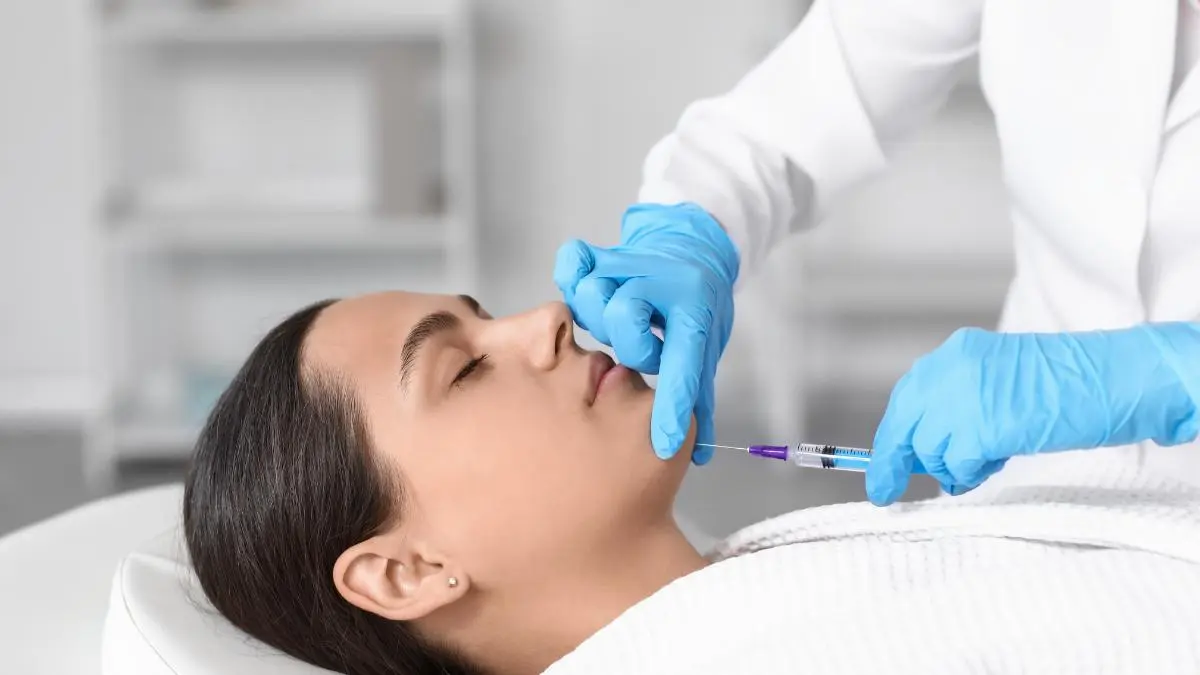
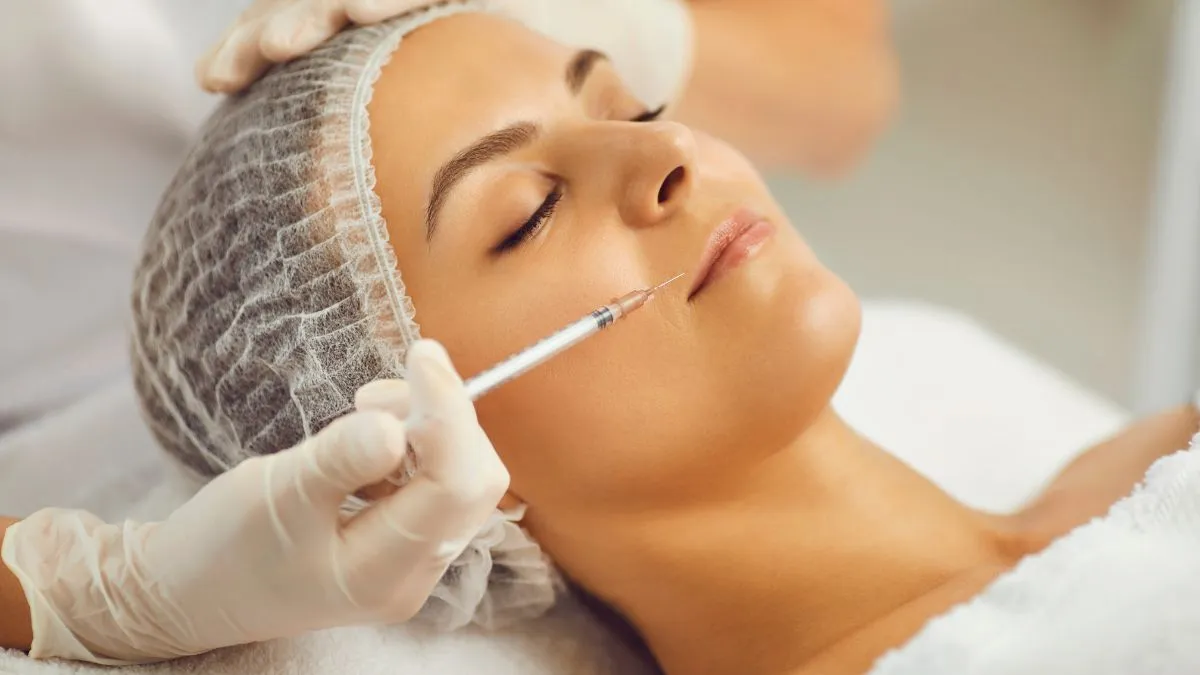
In a typical skin booster session, multiple micro-injections are given with a fine needle or cannula. The HA gel spreads through the dermis and attracts water. Some formulations may also support collagen and elastin through mechanical and biological effects, leading to gradual improvement in skin quality.[1–3]
The key point is that this is a process. Most people require a series of sessions and healthy habits to see and maintain visible improvement.
Session plan – how many skin booster sessions will you need?
Typical session frequency and total number of sittings
The number of sessions depends on your starting skin quality, product used, age and goals. Many protocols suggest a series of sessions spaced a few weeks apart, followed by maintenance at longer intervals.[1–3]
Your dermatologist will explain a personalised plan, but in general:
- Most patients need more than one session for meaningful improvement
- Very dehydrated or mature skin may require a longer initial course
- The plan can be adjusted based on your response and tolerance
Maintenance sessions and combining with other anti-ageing treatments
Once the initial course is complete, maintenance sessions may be advised to support the effect. The frequency varies between individuals.
Skin boosters are often combined with other treatments such as botulinum toxin, targeted fillers, lasers, medi-facials or chemical peels. The exact combination and timing are planned to reduce downtime and support safety.
Custom plans for busy professionals, brides-to-be and grooms
In Mumbai, many of our patients have demanding schedules or are preparing for important events. For such cases, we plan sessions so that:
- You have enough buffer time between the last session and your key event
- Downtime is considered when booking dates close to travel or functions
- Other procedures (for example, laser or peels) are spaced safely around the skin booster sessions
During your consultation, please share your event dates, travel plans and work commitments so that the plan can be realistic.
Safety, side effects and contraindications of skin booster treatment
Common short-term side effects most patients notice
As with any injectable procedure, skin boosters can cause short-term, usually self-limiting side effects.[5–7] These may include:
- Redness or warmth at injection sites
- Swelling or small raised bumps
- Tenderness, itching or mild discomfort
- Bruising
These effects typically settle over days to around two weeks. Your dermatologist will advise on simple supportive measures where suitable.
Less common but important risks your doctor will discuss
Less common but more serious complications include:
- Infection
- Allergic or inflammatory reactions
- Nodules or lumps
- Vascular complications, where a blood vessel is compressed or injected, which can lead to tissue damage or, very rarely, visual problems[5–7]
These events are rare, but it is important that you understand them. This is why we strongly recommend that all injectable treatments be done only by trained medical professionals with appropriate emergency protocols.
What results to expect from skin booster treatment – and when
Visible changes most patients report?
Most suitable patients describe the effect of skin boosters as:
- Improved overall glow and freshness
- Smoother feel when touching the skin
- Softer appearance of dryness-related fine lines
- More even makeup application
The exact changes depend on your starting point, age, lifestyle and whether you combine the treatment with other interventions.[1–3]
Timelines – when you may start noticing results and peak effect
Some people notice a mild plumping or glow in the first few weeks. However, because skin quality improvement is gradual, it may take multiple sessions and several weeks to months to appreciate the full effect.[1–3]
Your dermatologist will give you a realistic idea of timelines based on your specific plan.
How long skin booster results usually last and what influences longevity?
Hyaluronic acid in the skin is gradually broken down by enzymes and lifestyle factors. The duration of effect depends on:
- Product used and its cross-linking technology
- Areas treated and injection technique
- Sun exposure, smoking, stress and overall health
- How consistently you attend maintenance sessions
Your doctor will discuss a realistic expectation for how long your results may last and how to maintain them with skincare and follow-up sessions.[1–3]
Setting realistic expectations – what skin boosters can and cannot do
Skin boosters can:
- Support hydration, softness and surface texture
- Help you look more rested and refreshed
- Work alongside other treatments in a comprehensive anti-ageing plan
Skin boosters cannot:
- Stop ageing or replace lifestyle measures
- Lift very saggy tissue like a surgical procedure
- Replace medical treatment for conditions such as active acne, severe rosacea or deep scars
During your consultation, your dermatologist will explain which concerns are likely to respond and which may need different or additional approaches.
Skin booster vs other skin rejuvenation options
Skin booster vs fillers – volume correction vs overall skin quality
Dermal fillers are usually used to restore or create volume in areas such as cheeks, chin, jawline or lips. They address shape and contour. Skin boosters focus on skin quality. In many patients, a combination is used: fillers for structure and skin boosters for hydration and texture.[2–4]
Skin booster vs mesotherapy / vitamin injections
Mesotherapy typically involves cocktails of vitamins, minerals and other ingredients injected superficially. Skin boosters are based on stabilised hyaluronic acid, which has well-documented roles in hydration and dermal support.[1–3]
The choice between the two depends on your needs, medical history and the available evidence for your concern. In our clinic, we generally favour evidence-backed options and tailor the plan accordingly.
Skin booster vs PRP, lasers and medi-facials
Platelet-rich plasma (PRP), lasers and medi-facials work through different mechanisms:
- PRP uses growth factors from your own blood to support skin repair
- Lasers target pigmentation, redness, texture or collagen depending on the device
- Medi-facials combine chemical and mechanical steps for surface cleansing and glow
Skin boosters add deep hydration and dermal support. Many patients benefit from a carefully planned combination, done in safe intervals.
When we may suggest a combination plan instead of skin boosters alone
If you have multiple concerns such as dullness, fine lines, pigmentation and mild laxity, skin boosters alone may not be enough. In such cases, your dermatologist may suggest a phased plan that can include:
- Topical prescription creams for pigmentation or acne
- Laser or light-based treatments for texture and tone
- Botulinum toxin for expression lines
- Targeted fillers for volume loss
- Skin boosters as an adjunct to support hydration and surface quality
Skin booster treatment cost at The Bomabay Skin Clinic
Indicative skin booster pricing at The Bombay Skin Clinic
At The Bombay Skin Clinic, skin booster treatment is customised to each person. As an indicative starting point, a single skin booster session for the face typically starts from Rs.9000 at our Mumbai branches. The exact fee will be shared after your dermatologist assesses the areas to be treated and the product required.
Factors that influence cost – product type, areas treated, number of sessions
Several factors can affect your final treatment cost:
- Brand and type of skin booster used
- Number of syringes required based on your facial structure and concerns
- Number of sessions in your initial plan
- Whether neck, hands or other areas are added
- Any combination with other treatments during the same visit
Why prices vary between clinics in Mumbai
Price differences between clinics may reflect variations in product selection, injector experience, time spent on consultation, safety infrastructure and follow-up support. It is important to look beyond only the price and understand what is included in your treatment plan.
How we help you plan a realistic treatment budget
During your consultation, our team will:
- Explain your suggested treatment course and approximate number of sessions
- Share a transparent, written estimate for your plan
- Help you prioritise concerns if you prefer a step-by-step approach
Frequently asked questions about skin booster treatment
Is skin booster treatment painful?
Most patients describe the procedure as mildly uncomfortable rather than very painful. Numbing cream, fine needles and careful technique help reduce discomfort. You may feel brief pricks, pressure or stinging at times, especially in sensitive areas. If you are very anxious about pain, please share this during your consultation so that we can plan additional comfort measures.
How many skin booster sessions will I need for glowing skin?
The number of sessions is not the same for everyone. Many patients require a series of sessions spaced a few weeks apart, followed by maintenance at longer intervals.[1–3] Your dermatologist will recommend a plan after examining your skin, understanding your goals and seeing how you respond to the first session.
Is skin booster safe for Indian / darker skin tones?
Hyaluronic acid-based injectables are widely used in Indian and other darker skin types when performed by trained injectors with proper product choice and technique.[4,14] However, individual risks and benefits must be evaluated. Some conditions, medicines or previous treatments may increase the chance of side effects. This is why an in-clinic consultation is essential before treatment.
Can skin booster help with acne scars, open pores or pigmentation?
Skin boosters can improve hydration, texture and fine lines. In some patients, this may make mild scars or pores look less obvious. However, deeper acne scars, prominent pores and pigmentation usually need additional treatments such as lasers, microneedling, peels or prescription creams. During your consultation, your dermatologist will explain which concerns are likely to improve with skin boosters and which need other procedures.
Can I combine skin booster with Botox, fillers or laser treatments?
Yes, many patients receive a combination of treatments. For example, botulinum toxin for expression lines, targeted fillers for volume loss, lasers for pigmentation and skin boosters for hydration and overall quality. The key is correct sequencing and spacing to support safety and results. Your dermatologist will plan the timing so that treatments do not clash and downtime is manageable.
How do I know if skin booster treatment is right for me?
The best way is to book a consultation with a qualified dermatologist. After assessing your skin, medical history, lifestyle and goals, the doctor may suggest skin boosters, an alternative treatment or a combination approach. In some cases, we may advise you to first stabilise medical skin conditions or adjust your skincare routine before considering injectables.
Key scientific and clinical references for skin booster treatment
References
- Ghatge AS, Poojary S, Rachel M, et al. The effectiveness of injectable hyaluronic acid in the improvement of the facial skin quality: A systematic review. Clin Cosmet Investig Dermatol. Available from: https://pmc.ncbi.nlm.nih.gov/articles/PMC10082573/
- Lee JH, Lee SJ, Nam JH, et al. The efficacy of intradermal hyaluronic acid filler as a skin quality treatment. J Cosmet Dermatol. Available from: https://pubmed.ncbi.nlm.nih.gov/37705328/
- Rho NK. Injectable “Skin Boosters” in aging skin rejuvenation. J Cutan Aesthet Surg. Available from: https://www.thieme-connect.com/products/ejournals/pdf/10.1055/a-2366-3436.pdf
- Vedamurthy M. Standard guidelines for the use of dermal fillers. Indian J Dermatol Venereol Leprol. Available from: https://ijdvl.com/standard-guidelines-for-the-use-of-dermal-fillers/
- Urdiales-Gálvez F, Delgado NE, Figueiredo V, et al. Treatment of soft tissue filler complications: Expert consensus recommendations. Aesthet Plast Surg. Available from: https://pmc.ncbi.nlm.nih.gov/articles/PMC5840246/
- Jones DH, Carruthers J, Orentreich D, et al. Preventing and treating adverse events of injectable fillers: Evidence-based recommendations from the ASDS task force. Dermatol Surg. Available from: https://www.asds.net/Portals/0/PDF/asdsa/Preventing%20and%20Treating%20Adverse%20Events%20of%20Injectable%20Fillers%20Evidence-Based%20Recs%20From%20ASDS%20Task%20Force%20Article.pdf
Dr. Batul Patel (Dermatologist)
Medical Director – The Bombay Skin Clinic
Dr. Batul Patel is an award winning certified dermatologist, honoured as the “Dermatologist of the Year 2023” at the national level by The Economic Times. View profile