

Dr. Batul Patel (Dermatologist)
Medical Director – The Bombay Skin Clinic
Dr. Batul Patel is an award winning certified dermatologist, honoured as the “Dermatologist of the Year 2023” at the national level by The Economic Times. View profile
What Are Dark Underarms | Causes of Dark Underarms | Underarm Pigmentation Treatment Options | Results, Safety & Side Effects | Price |
What are dark underarms?
Understanding underarm pigmentation in Indian skin
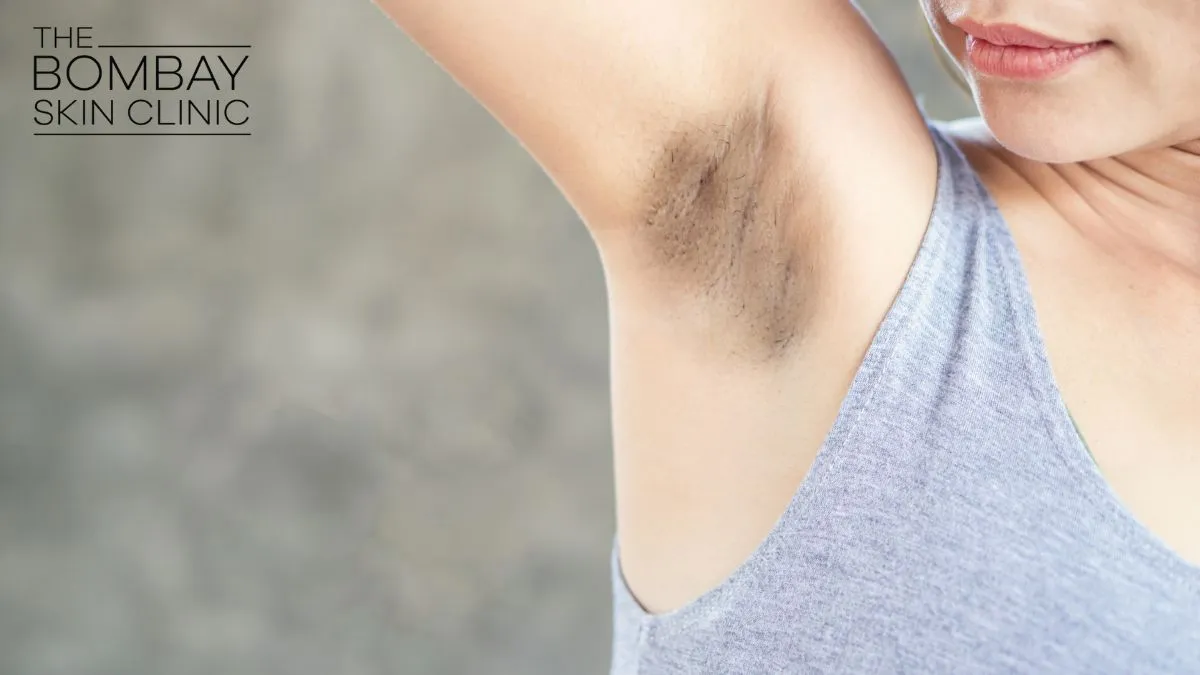
Dark underarms, also called underarm pigmentation or axillary hyperpigmentation, happen when the skin in the armpit area becomes a few shades darker than the surrounding skin. This can look patchy, velvety, or simply darker and duller.
In Indian skin, pigmentation changes are very common because our skin naturally makes more melanin. When the underarm skin is repeatedly irritated or inflamed, extra pigment can be deposited and may take many months to settle if left untreated.[1,2]
Is darkening of underarms common and is it always a problem?
Many people in Mumbai and across India notice some degree of darkening in the underarm area at some point. In many cases it is mainly a cosmetic concern that affects clothing choices and confidence.
Sometimes, however, dark underarms can be a sign of an underlying issue such as friction, allergic reactions, chronic inflammation or hormone and metabolic changes. When the darkening is sudden, velvety, or associated with weight gain, irregular periods or family history of diabetes, it should be properly evaluated.[8]
Why do underarms become dark?
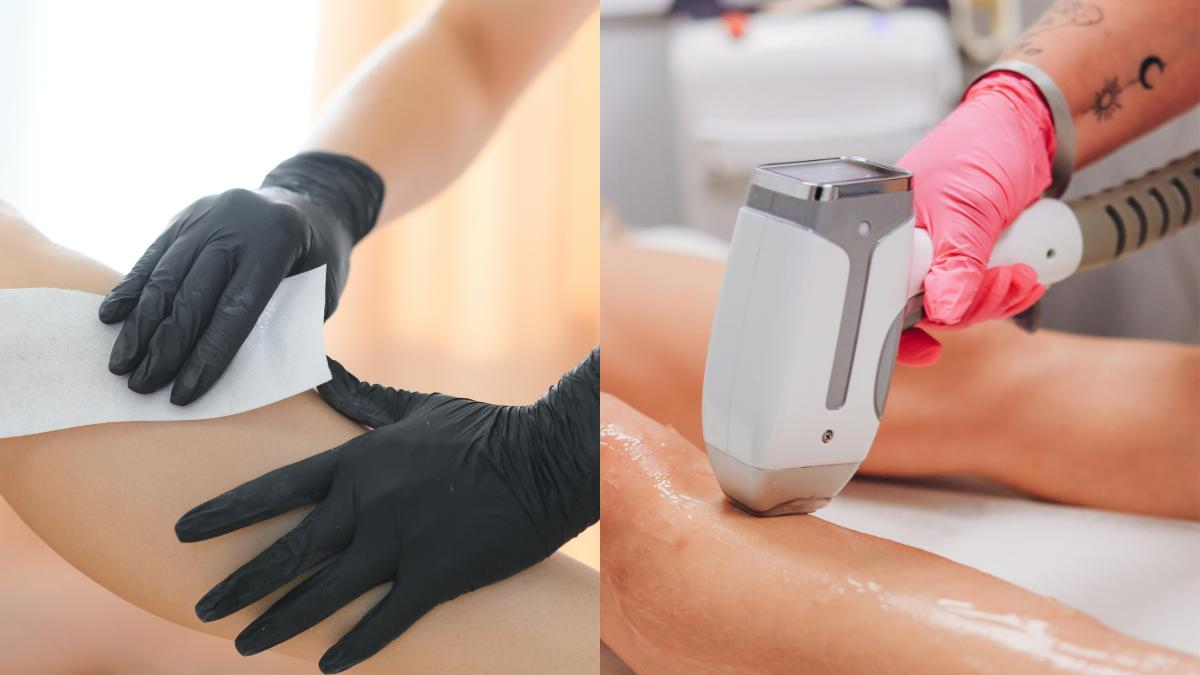
Friction, shaving, waxing and hair removal methods
Frequent shaving, especially on dry skin, can cause repeated micro-trauma to the underarms. This can trigger post-inflammatory hyperpigmentation over time.[1]
- Close shaving with a blunt razor can create small nicks and ingrown hairs.
- Hot waxing or strip waxing can irritate the skin barrier.
- Tight clothing or sportswear can rub on the same areas again and again, adding to friction.
Switching to gentler hair removal methods and better lubrication during shaving can reduce this trigger, especially when combined with a structured dark underarms treatment plan.
Deodorants, perfumes and other product-related irritation
Some roll-ons, perfumes, antiperspirants and hair-removal creams contain alcohols, fragrances, preservatives, or strong alkalis. In sensitive underarm skin, this can lead to stinging, redness and eventually staining of the skin.
- Contact dermatitis from deodorants can leave brown patches once the redness settles.[1]
- Layering multiple fragranced products can increase irritation risk.
During treatment, we often simplify your underarm routine and suggest fragrance-free, pH-balanced options to help the skin recover.
Hormones, weight changes and insulin resistance (including acanthosis nigricans)
In some people, dark underarms are related to hormones and metabolic health rather than only local irritation. Acanthosis nigricans is a condition where thicker, darker, velvety patches appear in folds such as the neck, underarms and groin.[8,9]
- It is commonly associated with obesity and insulin resistance, including prediabetes and type 2 diabetes.[8,9]
- It may also be seen with polycystic ovary syndrome (PCOS) and other endocrine conditions.
In such cases, underarm brightening treatment is supportive. The most important step is to identify and manage the underlying metabolic cause in coordination with your physician.
Post-inflammatory hyperpigmentation after rashes, allergies and infections
Any rash in the underarm, such as fungal infection, bacterial infection, eczema, frictional dermatitis or allergic reaction, can leave stubborn dark marks after it heals. This is known as post-inflammatory hyperpigmentation.[1,2]
The darker the natural skin tone, the longer these marks can linger if not addressed, and they may be more noticeable in photographs or certain lighting.[1]
Lifestyle habits, clothing and hygiene factors
Some day-to-day habits can quietly contribute to underarm darkening over time.
- Very tight sleeves, blouses or gym wear that constantly rub the underarm.
- Not drying the area properly after a bath, leading to repeated maceration.
- Shaving on dry skin without any lubrication.
- Frequent use of harsh scrubs or pumice stones in an attempt to “clean” the underarms.
Adjusting these factors is an important part of long-term maintenance, along with any professional dark underarms treatment you choose.
What are the advantages of professional dark underarms treatment?
Medical diagnosis instead of guesswork and home remedies
Many people first try home remedies, social media hacks or over-the-counter bleaching creams. These can sometimes worsen irritation and pigmentation if they are too harsh for your skin.[1]
Professional evaluation gives clarity about the cause of dark underarms and helps avoid trial-and-error that may delay improvement.
Targeted underarm pigmentation treatments (peels, lasers, topicals)
Dermatologist-led treatment for dark underarms can combine:
- Prescription creams and serums to gently reduce pigment and improve skin texture.[1,2]
- Chemical peels planned specifically for underarm skin.
- Energy-based devices such as Q-switched lasers for deeper or stubborn pigmentation.[5-7]
Each element is adjusted to your skin type, sensitivity and medical background.
Protocols customised for Indian skin tones and sensitivity
Medium to darker Indian skin types need careful choice of peel depth, laser settings and aftercare to reduce the risk of post-inflammatory hyperpigmentation.[3,4]
At our clinic, we follow published guidelines and evidence, and we pace sessions to allow the skin to recover, rather than chasing very quick changes that may not be sustainable.
Improved skin texture, odour control and hair management over time
A well-designed underarm routine can improve more than just colour. By calming inflammation, supporting the skin barrier and optimising hair removal, many patients also notice smoother texture and better odour control over time.
Some people also combine underarm pigmentation treatment with long-term hair reduction, which may further decrease friction and ingrown hairs.
Who is dark underarms treatment suitable for – and who is not?
Good candidates for underarm brightening treatment in Mumbai
In general, you may be a good candidate if:
- You have stable dark underarms for several months with no active infection.
- You are willing to follow a consistent at-home routine and sun protection for exposed areas.
- You understand that improvement is gradual and varies from person to person.
- You are ready to review and adjust hair removal and deodorant habits.
Situations where we may delay or modify treatment
Your dermatologist may postpone or modify in-clinic treatments if:
- You have an active rash, infection, cuts or burns in the underarm area.
- You are pregnant or breastfeeding and prefer to minimise in-clinic procedures.
- You have very sensitive skin or a history of strong reactions to peels or lasers.
In such cases, we may focus first on gentle skincare, barrier repair and treatment of the underlying condition. Procedures can be introduced later if appropriate.
Conditions that need medical work-up first (e.g. diabetes, PCOS, thyroid)
If we suspect acanthosis nigricans or metabolic causes of underarm darkening, we usually advise further evaluation.[8]
- Screening for diabetes, prediabetes and insulin resistance.
- Hormonal evaluation for PCOS in suitable patients.
- Thyroid function and other endocrine tests where indicated.
In these situations, topical and in-clinic treatments for dark underarms are supportive. Long-term improvement also depends on managing the underlying metabolic condition in coordination with your physician.[8,9]
How we treat dark underarms at The Bombay Skin Clinic
In-clinic chemical peels for underarm pigmentation
Chemical peels use controlled application of acids to exfoliate the upper layers of the skin and gradually reduce surface pigment.[3,4]
- We typically use superficial peels that are better suited to Indian skin, following recognised guidelines.[3,4]
- Peels are spaced a few weeks apart to allow recovery.
Superficial chemical peels are considered an adjunct option to prescription skincare and lifestyle changes in the management of pigmentary disorders.[3,4]
Q-switched laser and other energy-based treatments for deeper pigment
In some cases of dark underarms, pigment sits deeper in the skin or has been present for many years. Here, low-fluence Q-switched Nd:YAG lasers may be considered by experienced dermatologists as a supportive option.[5-7]
- Studies in skin of colour, including axillary hyperpigmentation, show that low-fluence Q-switched Nd:YAG lasers can improve pigmentation with a favourable safety profile when used carefully.[5-7]
- Settings are individualised, and we monitor the skin closely between sessions.
Laser is usually combined with ongoing skincare, not used alone, to keep irritation risk as low as possible.
Supporting treatments – hair removal, moisturisers and barrier repair
We routinely review your hair removal method, moisturiser and deodorant choices to make sure they support the treatment plan.
- Some patients explore longer-term hair reduction to reduce friction and ingrown hairs.
- Underarm-friendly moisturisers help keep the barrier strong, which can reduce future pigmentation.[1,2]
How does dark underarms treatment work on the skin?
How peels help exfoliate, lighten and smooth the underarm area
Superficial chemical peels work by loosening the bonds between dead cells on the top layer of skin, encouraging gentle shedding over several days.[3,4]
Over multiple sessions, this can help reduce surface pigment, smooth roughness and improve overall brightness, especially when combined with daily skincare.[3,4]
How Q-switched laser targets excess pigment safely
Q-switched Nd:YAG lasers deliver very short bursts of energy that specifically target pigment particles without cutting the skin.[5-7]
When used at low fluence and under expert supervision, studies suggest they can improve axillary hyperpigmentation and other pigmentary conditions in darker skin types while keeping downtime minimal.[5-7]
Role of prescription creams and serums in maintaining results
Prescription creams and serums play a key role before, during and after in-clinic treatment.[1,2]
- Some agents help reduce new pigment formation.
- Others improve skin turnover and texture.
- Barrier-supporting products reduce irritation risk.
Your dermatologist will adjust these products over time, and will usually advise breaks or rotations to keep the routine safe for long-term use.
Safety, side effects and contraindications
Is underarm brightening safe for Indian skin types?
When treatments are appropriately selected, performed by qualified dermatologists and combined with good aftercare, underarm pigmentation treatment can be carried out safely in Indian skin.[2-4]
The key is to avoid overly aggressive peels, high-frequency procedures or unregulated bleaching agents that can damage the skin and increase pigment rather than reduce it.[3,4]
Common, temporary side effects you may notice
Most side effects are mild and short-lived when protocols are followed.
- Temporary redness, warmth or mild swelling.
- Dryness, flaking or light crusting after peels.
- Transient darkening or ashiness in some cases after laser sessions.[5-7]
Your dermatologist will review your skin at each visit and adjust the plan if any side effects last longer than expected.
Precautions if you have sensitive skin, allergies or active rashes
If you have very sensitive skin, atopic dermatitis, contact allergies or recurrent fungal infections, we will first stabilise the skin before starting any procedures.[1,2]
Patch testing, gentler protocols and longer gaps between sessions can help make the plan safer and kinder to your skin.
What results can you expect – and in what timelines?
Typical improvement pattern over weeks and months
Once underlying triggers are addressed and treatment is started, pigmentation usually fades slowly and gradually. In general, colour changes that are only a few shades darker than your usual skin tone may soften over several months, while deeper pigment can take longer.[1,3]
Results for mild vs. deeper underarm pigmentation
Milder cases linked to shaving or deodorant irritation often respond faster once those triggers are removed and gentle skincare is introduced.
Deeper or long-standing pigmentation, or pigmentation linked to metabolic causes, may need a longer course and ongoing maintenance, even after visible improvement.[1,2,8]
How long results may last and when maintenance is needed
Results can be long lasting when triggers are controlled and a simple maintenance routine is followed. However, friction, weight changes, hormonal shifts or re-use of irritating products can lead to fresh pigmentation.
Your dermatologist may suggest occasional maintenance sessions or seasonal reviews, especially in Mumbai’s humid climate where friction and sweating are common.
Setting realistic expectations vs. social media “before–after” images
Online photos often show best-case outcomes, edited lighting or very specific angles. Real-life improvement is usually more gradual and individual.
Our aim is to improve the colour and texture of your underarms in a healthy and safe way, not to chase extreme changes that could compromise your skin barrier or long-term comfort.
How does professional dark underarms treatment compare with other options?
Home remedies and DIY hacks vs. dermatologist-led care
Household ingredients like lemon juice, baking soda or undiluted essential oils may seem attractive, but they can be quite irritating on delicate underarm skin and may worsen pigmentation.[1]
Dermatologist-led care is guided by diagnosis, published evidence and safety data, with close follow-up to ensure your skin is coping well.
Bleaching creams and parlour bleaching – risks and limitations
Unsupervised bleaching creams or strong parlour bleaching can give patchy, short-term lightening at the cost of irritation, barrier damage and rebound pigmentation.[1,2]
In contrast, medical underarm brightening treatment aims for steady, controlled improvement with a focus on skin health and long-term maintenance.
General skin brightening treatments vs. targeted underarm pigmentation treatment
Generic “skin brightening ” treatments may not address the specific causes and features of underarm skin, which has more hair follicles, sweat glands and friction.
A targeted dark underarms treatment plan is more likely to combine diagnosis, skincare, peels, lasers and lifestyle advice tailored to this sensitive area.
Why choose The Bombay Skin Clinic for dark underarms treatment in Mumbai?
Dermatologist-led care by Dr Batul Patel and team
The Bombay Skin Clinic is a dermatologist-led practice in Mumbai, headed by award-winning dermatologist Dr Batul Patel and her team of qualified dermatologists and trained therapists. Every dark underarms treatment plan is designed and supervised by medical doctors.
This is especially important for Indian skin, where inappropriate peels or lasers can increase pigmentation if not used correctly.[2-4]
Advanced peels and Q-switched laser technology for underarm pigmentation
Our clinic offers a range of superficial peels and Q-switched Nd:YAG laser platforms that have been studied for pigmentary conditions and axillary hyperpigmentation in skin of colour.[3-7]
Device choice, fluence, spot size and number of passes are carefully selected for each patient, with a strong emphasis on safety and comfort.
Personalised protocols across our South Mumbai, Bandra, Andheri and Chembur branches
We see patients for dark underarms treatment across our branches in Kemps Corner, Bandra, Andheri and Chembur. Your records are accessible to your treating dermatologist at any branch for continuity.
Hygiene, privacy and comfort protocols for intimate-area treatments
Underarm and intimate-area concerns can feel sensitive. We follow strict hygiene protocols, use disposable drapes where appropriate and ensure your comfort and privacy at all times.
Our staff is trained to make discussions around dark underarms respectful and non-judgemental, so you can share your concerns freely.
Indicative price range at specialist clinics in Mumbai
At The Bombay Skin Clinic, underarm peel sessions typically start from an indicative price point of Rs. 7000 per session, while laser-based sessions for dark underarms usually start from a higher bracket reflecting device and expertise costs.
Your final plan and estimate will depend on how many sessions are recommended and whether you combine multiple treatments in the same visit.
FAQs on dark underarms treatment
Can dark underarms be a sign of an internal health issue?
Yes, sometimes. Dark, velvety plaques in the underarms can be a sign of acanthosis nigricans, which is often linked with insulin resistance, prediabetes or diabetes and other endocrine problems.[8,9]
This is why we take a full medical history and may recommend metabolic screening. Treating the underlying condition is as important as treating the pigmentation on the skin.
How many sessions will I need for dark underarms treatment in Mumbai?
The number of sessions depends on the cause, severity and duration of your pigmentation, as well as your skin type and response to treatment.
Many patients require multiple sessions spaced over several months, followed by a simpler maintenance routine. Your dermatologist at The Bombay Skin Clinic will share a range after examining your skin in person.
Is laser treatment for dark underarms safe for sensitive skin?
Low-fluence Q-switched Nd:YAG lasers have been studied in underarm and other pigmentary conditions in darker skin types with encouraging safety data when used correctly.[5-7]
If you have sensitive skin, we may start with very conservative settings, fewer passes or focus first on skincare and peels before introducing laser as a supportive option.
Do I need to stop waxing or shaving my underarms during treatment?
We usually modify, rather than completely stop, hair removal. For some patients, temporarily switching from close shaving to gentler methods can reduce friction while the skin is healing.
Your dermatologist will guide you on what is safest in your case and when you can return to your preferred hair removal method.
Can men also take underarm brightening treatment at your clinic?
Yes. We regularly see men for concerns like dark underarms, neck pigmentation and other skin issues. The approach to diagnosis and treatment is the same, but we may adjust hair removal and lifestyle advice to suit individual habits.
Will the pigmentation come back if I stop treatment?
If the original triggers such as friction, weight changes, hormonal issues or irritant products return, pigmentation may gradually come back over time.[1,2,8]
This is why we emphasise ongoing lifestyle and skincare changes, along with periodic reviews, rather than viewing dark underarms treatment as a one-time procedure.
Sources
- Lawrence E, Kang S. Postinflammatory Hyperpigmentation. StatPearls. NCBI Bookshelf. https://www.ncbi.nlm.nih.gov/books/NBK559150/ [accessed 2025].[1,9]
- Moolla S, Sim J. Dermatology: how to manage facial hyperpigmentation in skin of colour. Br J Hosp Med. 2022;83(6):1-8. https://pmc.ncbi.nlm.nih.gov/articles/PMC9165630/ [accessed 2025].[2]
- Khunger N. Standard guidelines of care for chemical peels. Indian J Dermatol Venereol Leprol. 2008;74(Suppl):S5-S12. https://ijdvl.com/standard-guidelines-of-care-for-chemical-peels/ [accessed 2025].[3]
- Soleymani T, Lanoue J, Rahman Z. A practical approach to chemical peels. J Clin Aesthet Dermatol. 2018;11(8):21-27. https://pmc.ncbi.nlm.nih.gov/articles/PMC6122508/ [accessed 2025].[4]
- Robredo IGC. Q-Switched 1064 nm Nd:YAG Laser in treating axillary hyperpigmentation in Filipino women with skin type IV. J Drugs Dermatol. 2020;19(1):66-69. https://pubmed.ncbi.nlm.nih.gov/31985913/ [accessed 2025].[5]
- Ghannam S, Alsaid AM. Efficacy of low-fluence Nd:YAG 1064 nm laser for the treatment of post-inflammatory hyperpigmentation in the axillary area. J Cosmet Laser Ther. 2017;19(7):1-5. https://europepmc.org/article/med/29141060 [accessed 2025].[6]
- Khan W, et al. Effectiveness of laser therapy in axillary hyperpigmentation: a systematic review. J Am Acad Dermatol. 2024;91(3 Suppl):AB70. https://www.jaad.org/article/S0190-9622(24)01809-7/fulltext [accessed 2025].[7]
- Varthakavi PK, et al. Acanthosis nigricans: a dermatologic marker of metabolic disease. Indian J Dermatol Venereol Leprol. 2002;68(2):68-72. https://ijdvl.com/acanthosis-nigricans-a-dermatologic-marker-of-metabolic-disease/ [accessed 2025].[8]
- Smid CJ, et al. Acanthosis Nigricans. StatPearls. NCBI Bookshelf. https://www.ncbi.nlm.nih.gov/books/NBK431057/ [accessed 2025].[9]
Dr. Batul Patel (Dermatologist)
Medical Director – The Bombay Skin Clinic
Dr. Batul Patel is an award winning certified dermatologist, honoured as the “Dermatologist of the Year 2023” at the national level by The Economic Times. View profile