

MEDICALLY REVIEWED BY
Dr. Batul Patel (Dermatologist)
Medical Director – The Bombay Skin Clinic
Dr. Batul Patel is an award-winning celebrity dermatologist with over 20 years of experience. She was honoured as “Dermatologist of the Year 2026” by Financial Express and “Dermatologist of the Year 2023” by The Economic Times. She also served as a jury member at the Vogue Beauty & Wellness Honours 2026. View profile
What Is Dermaplaning | How It Works | Side Effects & Safety | Results | Alternatives
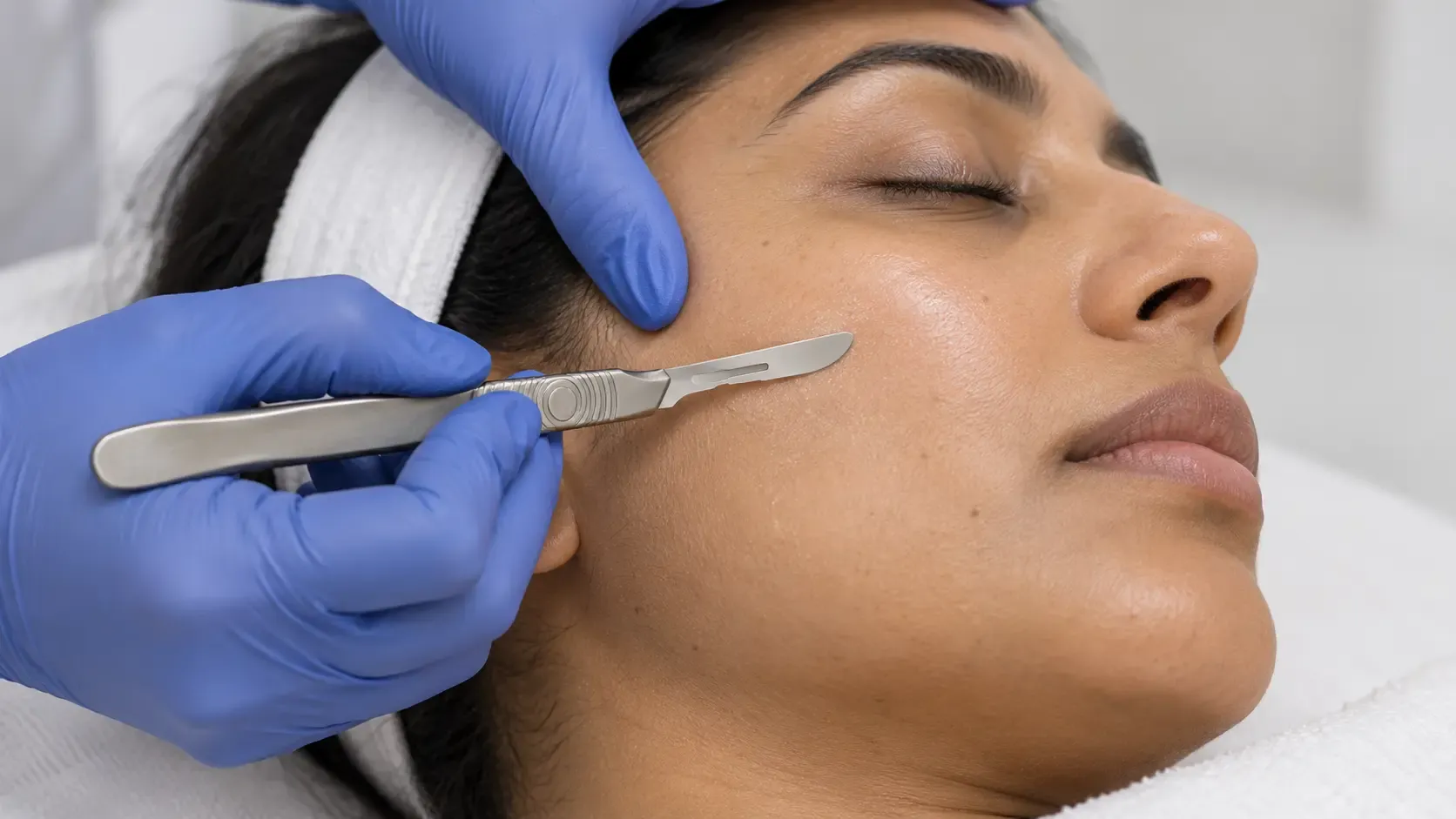
Dermaplaning is a clinic-based mechanical exfoliation treatment that removes superficial dead skin cells and fine vellus hair, commonly called peach fuzz, from the face. The immediate aim is smoother-feeling skin and temporary removal of fine facial hair, without using heat or a chemical exfoliant.
At The Bombay Skin Clinic in Mumbai, dermaplaning is considered after assessing skin type, sensitivity, active breakouts and the result a patient wants to achieve. This matters because dermaplaning can help selected surface concerns, but it is not a treatment for every form of pigmentation, acne scarring, wrinkles or unwanted facial hair.
The clinical evidence for cosmetic dermaplaning remains limited. A systematic review found that the scientific literature supporting dermaplaning was sparse and not well documented, so realistic expectations are important.[1] More recent laboratory research confirms that dermaplaning removes part of the outer stratum corneum and temporarily changes the skin barrier.[2]
What Is Dermaplaning?
Dermaplaning is a controlled form of superficial mechanical exfoliation. A trained professional uses a sterile blade to gently pass over the skin surface, lifting away accumulated cells from the outermost skin layer along with fine vellus hair.
It may be performed as a stand-alone exfoliation step or included in a dermatologist-planned facial. Its most predictable effects are temporary peach-fuzz removal and a smoother skin surface.
Is dermaplaning the same as dermablading, microplaning or facial shaving?
Dermablading and microplaning are sometimes used informally for dermaplaning. Facial shaving also cuts hair at the surface, but professional dermaplaning combines hair removal with controlled exfoliation, using attention to blade handling, hygiene and skin suitability.
What Are the Benefits of a Dermaplaning Facial?
For the right person, dermaplaning can make the face feel smoother soon after treatment because it removes superficial scale and fine facial hair. It can also make makeup and simple skincare products spread more evenly over the skin surface.
What dermaplaning can realistically improve
- Temporary removal of fine vellus hair or peach fuzz.
- A smoother feel when dead cells and dry flakes have accumulated.
- A fresher-looking surface when dullness is partly due to superficial build-up.
- A more even base for makeup.
- Superficial exfoliation without acids or heat.
These are mainly surface-level cosmetic effects. They do not mean that deeper skin structure has been changed.
What dermaplaning cannot treat
Dermaplaning should not be presented as a stand-alone treatment for deep acne scars, melasma, significant pigmentation, skin laxity or established wrinkles. These concerns arise from deeper or more complex processes. A dermatologist may recommend another treatment, or use dermaplaning only as a supportive step. Published evidence for wider rejuvenation claims remains limited.[1]
How Does Dermaplaning Work?
The outermost layer of the epidermis, the stratum corneum, contains flattened cells that naturally shed over time. Dermaplaning mechanically removes part of this superficial layer while cutting vellus hairs at the skin surface.
How dermaplaning removes dead skin cells and peach fuzz
The skin is held steady while a sterile blade is moved in controlled strokes. Research has shown depletion of the stratum corneum after dermaplaning, together with reduced barrier resistance.[2] This helps explain the immediate smooth feel and why freshly treated skin may be more sensitive for a short period.
Does dermaplaning affect the hair follicle or change facial hair growth?
No. Dermaplaning cuts vellus hair at or close to the surface. It does not remove the follicle or change the biological programme controlling hair thickness, colour or growth rate. When hair grows out, the blunt cut tip can simply feel more noticeable.[3]
Who Is a Good Candidate for Dermaplaning?
Dermaplaning is generally considered for people who want temporary removal of fine facial fuzz together with light surface exfoliation. Suitability depends more on the current condition of the skin than on age alone.
Dermaplaning for dull, dry or uneven-textured skin
You may be considered for dermaplaning if your skin is stable and your main goals include:
- Removing visible peach fuzz on appropriate facial areas.
- Smoothing superficial dry or flaky texture.
- Improving how makeup sits on the skin.
- Choosing a simple exfoliation option before an event, with enough time to observe your skin response.
Very dry skin still needs assessment because dryness can reflect barrier impairment or dermatitis, where more exfoliation may worsen discomfort.
Is dermaplaning suitable for sensitive or darker Indian skin?
Skin colour itself is not an automatic reason to exclude dermaplaning because the procedure does not use pigment-targeting light or heat. However, sensitive Indian skin still needs careful assessment. Inflammation can trigger post-inflammatory hyperpigmentation, which is more common and often more persistent in darker skin tones.[4]
Who Should Avoid or Postpone Dermaplaning?
Dermaplaning should be postponed when the skin is actively inflamed, infected or damaged. An in-clinic assessment is especially important if you have:
- Active inflammatory acne, pustules or tender lesions.
- Cold sores, bacterial or fungal infection, open wounds or sunburn.
- An active eczema, psoriasis, rosacea or dermatitis flare.
- A recently disrupted skin barrier or marked sensitivity.
- A history of abnormal scarring or significant pigment change after procedures.
- Recent facial procedures that have not fully settled.
Active acne, infections, irritated skin and other situations requiring assessment
A history of acne, rosacea or pigmentation does not automatically rule out dermaplaning. The important question is whether the condition is active, where it is located and whether the skin is stable enough for controlled exfoliation on the day of treatment.
What Happens During a Dermaplaning Session?
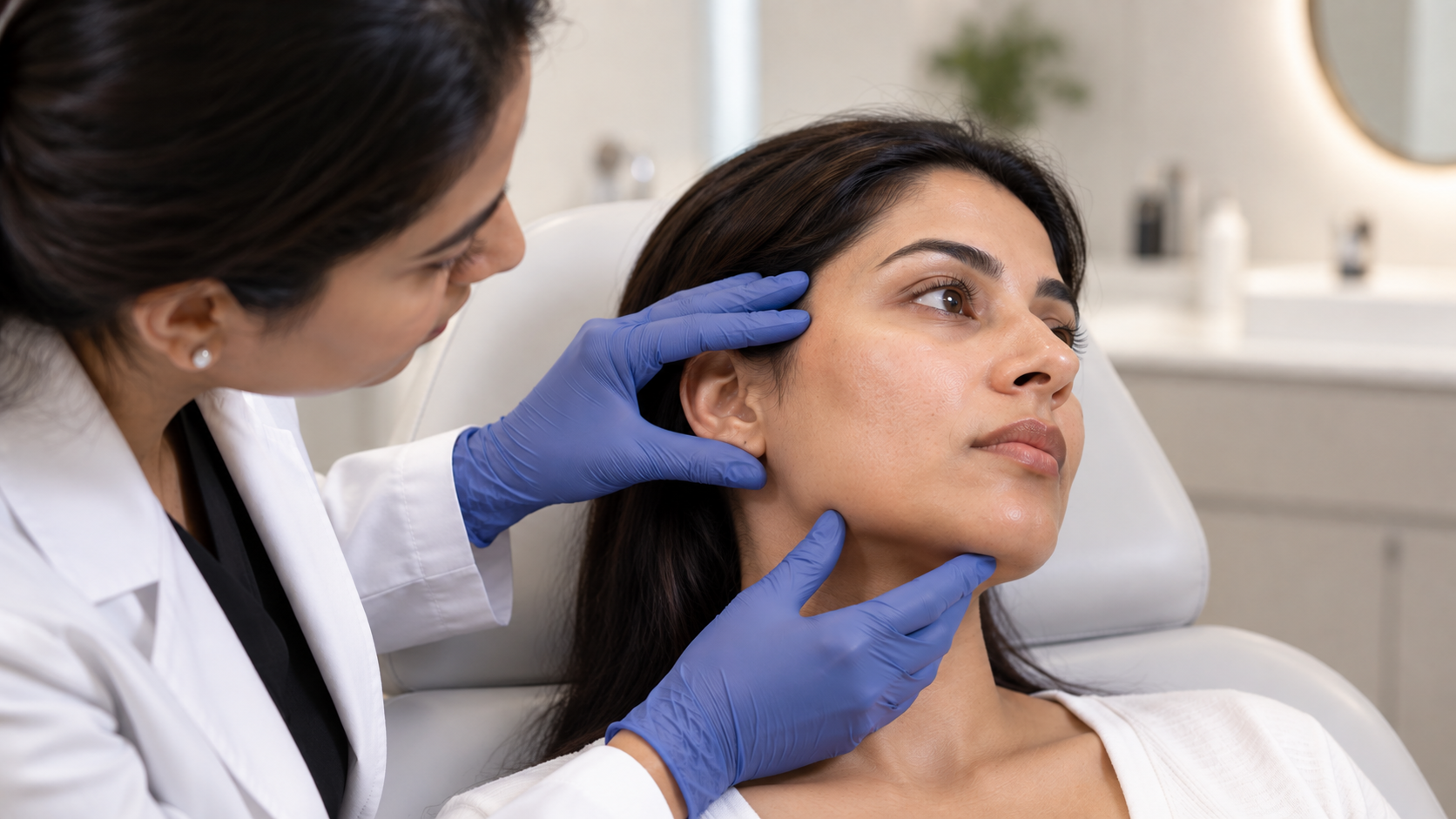
A professional session usually begins with cleansing and examination of the skin. Makeup, sunscreen, oil and surface debris are removed, and areas that should not be treated are avoided.
How long does dermaplaning take and does it hurt?
A stand-alone facial dermaplaning treatment commonly takes about 20 to 40 minutes, although the appointment may be longer if consultation or other facial steps are included. Most people describe a light scraping or brushing sensation rather than significant pain.
How often can dermaplaning be done?
Sessions are generally spaced according to skin recovery and the return of vellus hair. Many maintenance plans use intervals of roughly four to six weeks, but treatment should be delayed if the skin is dry, inflamed or sensitised.
Is one dermaplaning session enough or is a treatment plan needed?
One session may be enough if the goal is temporary smoothness or peach-fuzz removal for an occasion. Repeated treatment is optional if you like the effect and your skin tolerates it well. Dermaplaning does not require a compulsory course.
What Should You Expect After Dermaplaning?
Many people return to normal routine soon after superficial cosmetic dermaplaning. The skin may feel unusually smooth, but the newly exfoliated surface should be treated gently while the barrier settles.
Downtime, redness and skin sensitivity
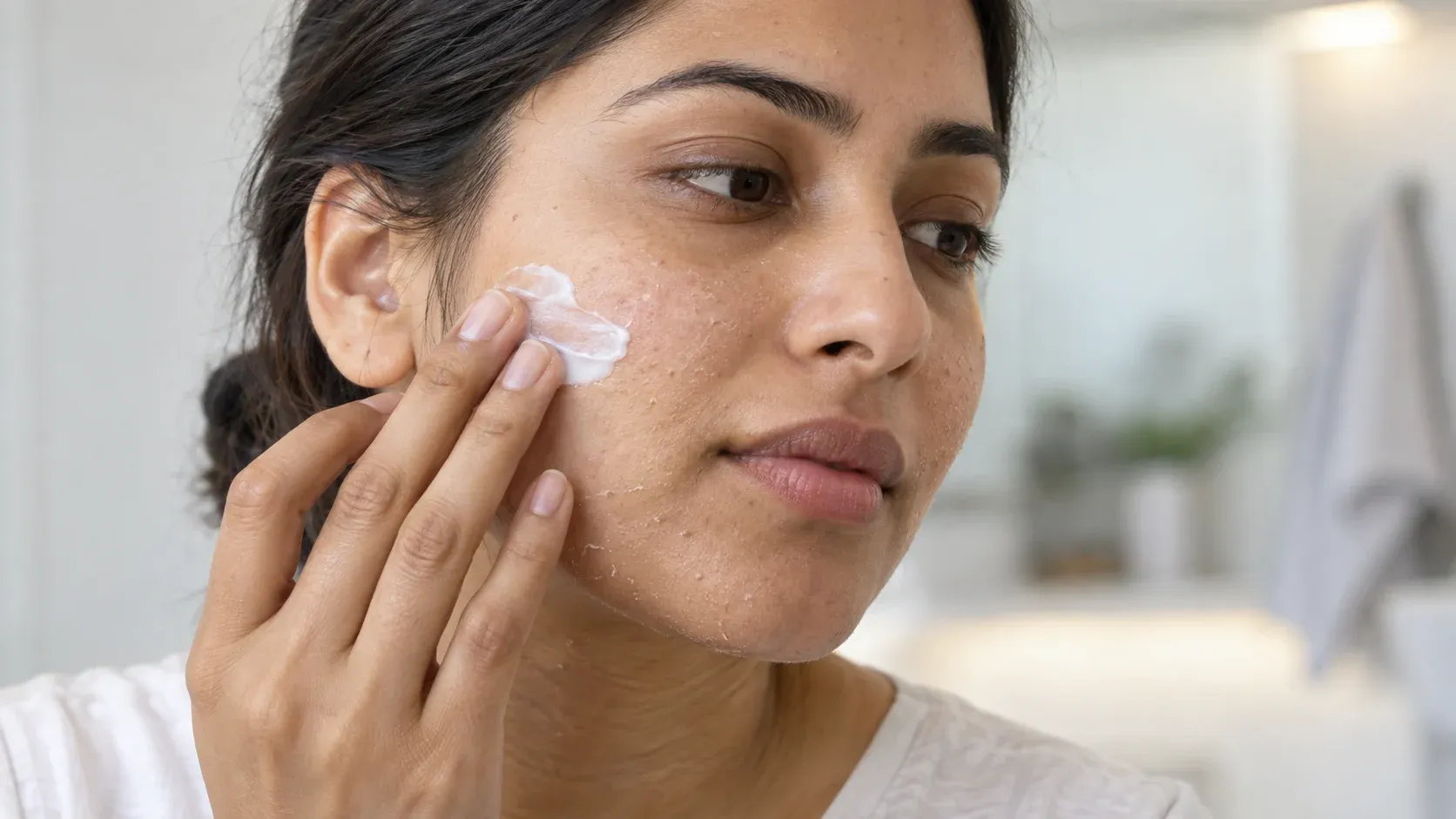
Temporary pinkness, mild tightness, dryness, tingling or sensitivity can occur. Recovery varies with skin type, technique and any additional treatment performed at the same appointment. Increasing redness, significant pain, blistering or signs of infection should be assessed by the treating clinic.
Dermaplaning aftercare and sun protection
- Use a gentle cleanser and simple moisturiser.
- Use broad-spectrum sunscreen during the day and limit intense sun exposure.
- Avoid scrubs, picking and extra mechanical exfoliation while skin feels sensitive.
- Restart stronger skincare actives according to advice for your skin and routine.
The observed reduction in stratum corneum barrier resistance after dermaplaning supports a cautious post-treatment routine.[2]
When can you apply makeup after dermaplaning?
Many patients prefer to leave the skin free of makeup for the rest of the treatment day, especially if there is redness. Your clinician may suggest a longer interval if another procedure was combined with dermaplaning. When makeup is resumed, clean tools and non-irritating products are sensible.
Dermaplaning Results: When Will You See a Difference and How Long Does It Last?
The main dermaplaning results are visible and tactile soon after treatment. Skin may feel smoother and fine facial hair becomes less visible because it has been cut at the surface.
Immediate changes in smoothness, brightness and peach fuzz
The smoother look can appear immediately because dead surface cells and vellus hair have been removed. Light may reflect more evenly from a smoother surface, making the complexion look fresher. This is a surface effect, not evidence that melanin production or deeper skin structure has changed.
Why dermaplaning results are temporary
Skin continues its normal renewal cycle and vellus hair continues to grow from intact follicles. The very smooth, hair-free feel therefore reduces over the following weeks. How long it remains noticeable varies with hair growth, skin condition and personal preference.
Is Dermaplaning Safe? Side Effects, Risks and Contraindications
Dermaplaning is superficial, but it still involves a blade and temporary disruption of the outer skin barrier. Safe treatment depends on suitable patient selection, clean technique and appropriate aftercare.
Common temporary effects after dermaplaning
- Short-lived redness or warmth.
- Mild tightness or dryness.
- Temporary sensitivity to skincare products.
- A slightly blunt feel as vellus hair grows out.
- Occasional irritation or small breakouts in susceptible skin.
People prone to pigmentation need particular care because inflammation can trigger PIH in darker skin tones.[4]
Less common complications and why professional technique and hygiene matter
Less common problems can include cuts, infection, prolonged irritation, pigment change and scarring. A clinic setting can reduce avoidable risk through pre-treatment assessment, sterile single-use instruments, trained technique and clear guidance if the skin reacts unexpectedly.
Dermaplaning vs Other Skin and Facial Hair Treatments: Which Is Right for You?
Dermaplaning is not automatically better than another facial or hair-removal method. The right option depends on whether your priority is peach-fuzz removal, exfoliation, hydration, pigmentation, acne scars or longer-term reduction of coarse hair.
Dermaplaning vs shaving for facial peach fuzz
Both cut hair at the surface. Home shaving is convenient, while professional dermaplaning adds controlled exfoliation and skin assessment. Neither changes the follicle or makes hair biologically thicker or darker.[3] Poor shaving technique can still cause irritation, nicks and ingrown hairs.[5]
Dermaplaning vs microdermabrasion
Both are mechanical exfoliation methods but use different tools. Dermaplaning uses a blade and removes vellus hair at the same time. Microdermabrasion uses an abrasive surface or crystals, often with suction. Dermaplaning therefore has a practical advantage when peach fuzz is a main concern.
Dermaplaning vs chemical peels
Chemical peels use selected peeling agents to create controlled exfoliation and may be chosen for concerns such as acne or uneven tone. Dermaplaning is more focused on fine facial hair and superficial smoothing. In Indian skin, the choice and intensity of any exfoliating procedure should account for irritation and PIH risk.[4]
Dermaplaning vs HydraFacial-type exfoliating facials
HydraFacial-type treatments use device-assisted cleansing, exfoliation and fluid delivery, so they are often considered when hydration or congestion is the priority. Dermaplaning is more directly focused on physical exfoliation and peach-fuzz removal. Neither is universally better.
Dermaplaning vs laser hair reduction for facial hair
Dermaplaning cuts hair at the surface and suits fine vellus hair. Laser hair reduction uses light energy to target pigment in suitable follicles and is more relevant to longer-term reduction of coarse, dark facial hair. Very fine vellus hair is often not an ideal laser target, so the two treatments serve different goals.
Can Dermaplaning Be Combined With Other Skin Treatments?
Dermaplaning is sometimes included within a broader facial, but a combination should have a clear purpose. Because dermaplaning alters the stratum corneum barrier, adding several exfoliating or irritating procedures on the same day is not automatically better.[2]
When combination treatments may be considered and when they should be spaced apart
A dermatologist may combine dermaplaning with gentle hydrating or soothing steps when the skin is stable. More intensive peels, microneedling, lasers or other resurfacing procedures may need to be separated, modified or avoided depending on sensitivity and total barrier disruption.
Dermaplaning Cost in Mumbai: What Affects the Price?
Dermaplaning cost in Mumbai varies because clinics may price it as a stand-alone service, a dermaplaning facial or one step within a medical facial. The treatment area, practitioner model and additional facial steps can also change the fee.
Indicative dermaplaning pricing at The Bombay Skin Clinic
At The Bombay Skin Clinic, relevant medi-facial protocols currently start from approximately ₹3,500 per session. Dermaplaning may be used as an individual exfoliation step or incorporated into a broader facial, so the exact dermaplaning price is confirmed after the treatment format is selected.
This is indicative pricing, not a fixed quote. If you are comparing dermaplaning prices near you, check what the fee includes rather than comparing the headline number alone.
Why consultation, treatment area and combined protocols can affect cost
Price can differ according to whether dermaplaning is performed on the full face or selected appropriate areas, whether it is stand-alone or part of a facial, and whether another treatment is planned. The more important consultation question is whether dermaplaning actually matches the concern you want to improve.
Frequently Asked Questions About Dermaplaning
Does facial hair grow back thicker or darker after dermaplaning?
No. Dermaplaning cuts hair at the surface and does not alter the follicle, so it does not change the biological thickness, colour or growth rate of facial hair.[3] Regrowth may feel blunter initially because the hair shaft was cut.
How often should you get a dermaplaning facial?
Many people space sessions by roughly four to six weeks, but there is no universal schedule. Timing should depend on skin recovery, sensitivity, hair regrowth and whether you still want the cosmetic effect. Irritated or very dry skin should settle before another session.
Is dermaplaning suitable if you have acne or acne scars?
Active inflammatory acne is a reason to postpone dermaplaning over the affected area. For acne scars, dermaplaning may make the surface feel smoother temporarily, but it should not be presented as a treatment for deep, tethered or raised scars. Scar-specific options may be more appropriate.
Is dermaplaning safe for Indian or darker skin tones?
It can be considered because dermaplaning does not depend on melanin-targeting energy. However, darker skin can be more prone to persistent PIH after irritation, so gentle technique, stable skin and sun protection matter.[4]
Which is better, dermaplaning or a HydraFacial-type treatment?
Dermaplaning is more directly suited to peach-fuzz removal and superficial mechanical smoothing. A HydraFacial-type treatment is more focused on device-assisted cleansing, exfoliation and hydration. The better choice depends on your main concern and skin sensitivity.
How much does dermaplaning cost in Mumbai?
Cost depends on whether dermaplaning is stand-alone or part of a wider facial. At The Bombay Skin Clinic, relevant medi-facial protocols currently start from approximately ₹3,500 per session, while more complex facials cost more. The applicable price is confirmed after the treatment format and branch are selected.
Medical Sources and References
- Pryor L, Gordon CR, Swanson EW, Reish RG, Horton-Beeman K, Cohen SR. Dermaplaning, topical oxygen, and photodynamic therapy: a systematic review of the literature. Aesthetic Plast Surg. 2011;35(6):1151-1159. link
- Tijani AO, Frempong D, Kaur J, et al. Dermaplaning for Transdermal Drug Permeation Enhancement: A Qualitative and Quantitative Assessment. AAPS PharmSciTech. 2023;24(2):54. link
- Lynfield YL, Macwilliams P. Shaving and hair growth. J Invest Dermatol. 1970;55(3):170-172. link
- Anvery N, Christensen RE, Dirr MA. Management of post-inflammatory hyperpigmentation in skin of color: A short review. J Cosmet Dermatol. 2022;21(5):1837-1840. link
- American Academy of Dermatology Association. Hair removal: How to shave. link
MEDICALLY REVIEWED BY
Dr. Batul Patel (Dermatologist)
Medical Director – The Bombay Skin Clinic
Dr. Batul Patel is an award-winning celebrity dermatologist with over 20 years of experience. She was honoured as “Dermatologist of the Year 2026” by Financial Express and “Dermatologist of the Year 2023” by The Economic Times. She also served as a jury member at the Vogue Beauty & Wellness Honours 2026. View profile