

Dr. Batul Patel (Dermatologist)
Medical Director – The Bombay Skin Clinic
Dr. Batul Patel is an award winning celebrity dermatologist, practising since 20 years. Honoured as “Dermatologist of the Year 2026” by Financial Express, “Dermatologist of the Year 2023” by The Economic Times and Jury Member at Vogue Beauty & Wellness Honours 2026. View profile
What Is Wrinkle Treatment | Key Advantages | Good Candidate | How It Works | Session Plan | Safety | Results | Comparison | Why Choose Us | FAQs
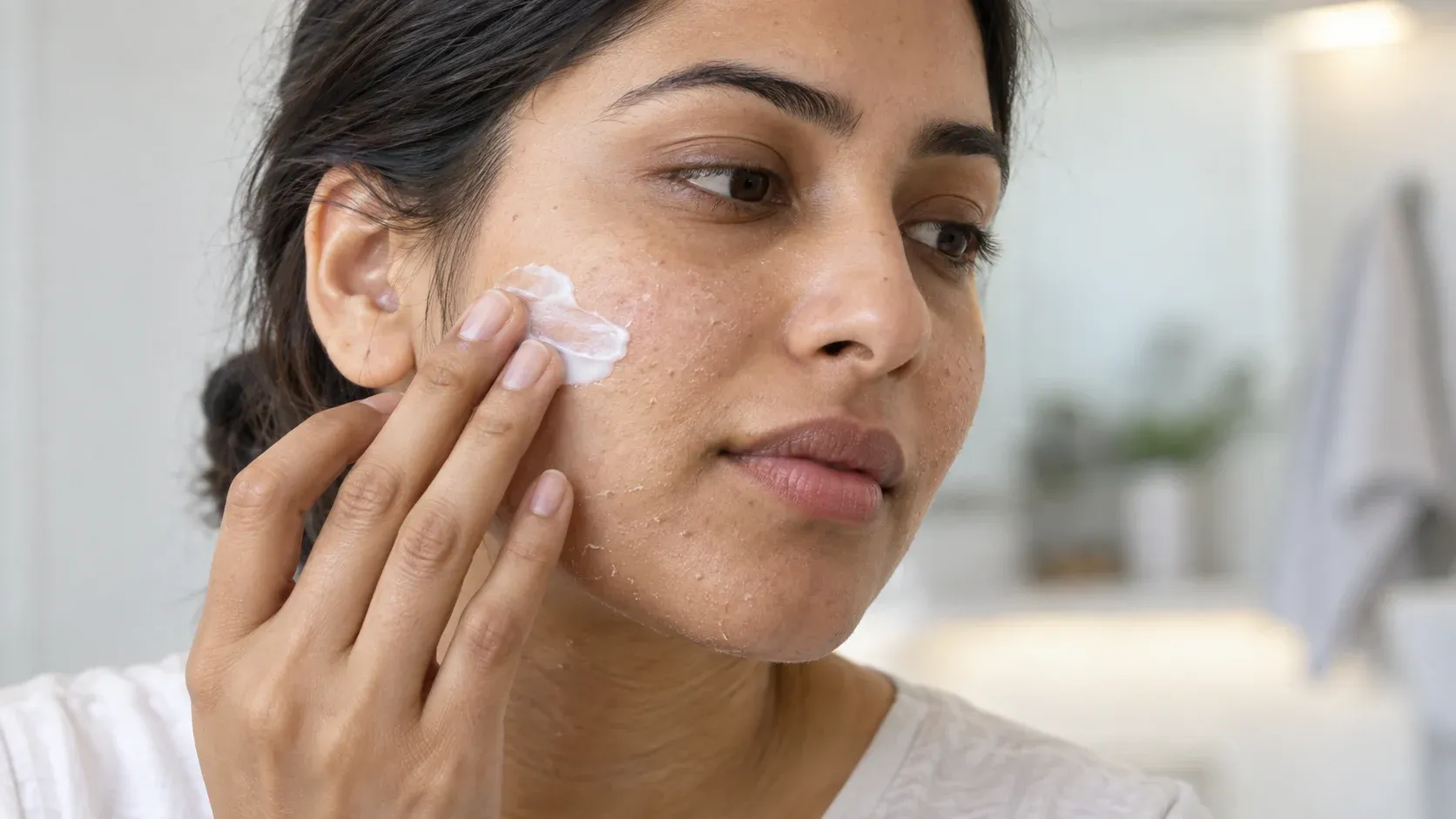
Wrinkles are one of the most common skin concerns that bring patients to a dermatologist’s clinic. Whether they are the fine lines that appear around the eyes after a long day in the sun, the deeper furrows that develop on the forehead over years of facial expression, or the subtle creases that form around the mouth with age — wrinkles are a natural part of skin ageing. Yet for many people in Mumbai, they become a source of self-consciousness that affects confidence in both personal and professional life.
The good news is that modern dermatology now offers a wide and well-evidenced range of wrinkle treatment options that are safe, minimally invasive, and tailored to individual skin concerns. At The Bombay Skin Clinic, our dermatologists take a thorough, personalised approach to facial rejuvenation — combining the most appropriate treatments for your specific skin type, age, and goals, rather than applying a one-size-fits-all solution.
What Is Wrinkle Treatment?
Wrinkle treatment is an umbrella term for a range of dermatological and aesthetic procedures designed to reduce the appearance of fine lines and deeper creases on the face and neck. These treatments work by targeting the underlying causes of wrinkle formation — such as muscle overactivity, collagen loss, reduced skin hydration, or sun-induced skin damage — rather than simply masking the surface appearance.
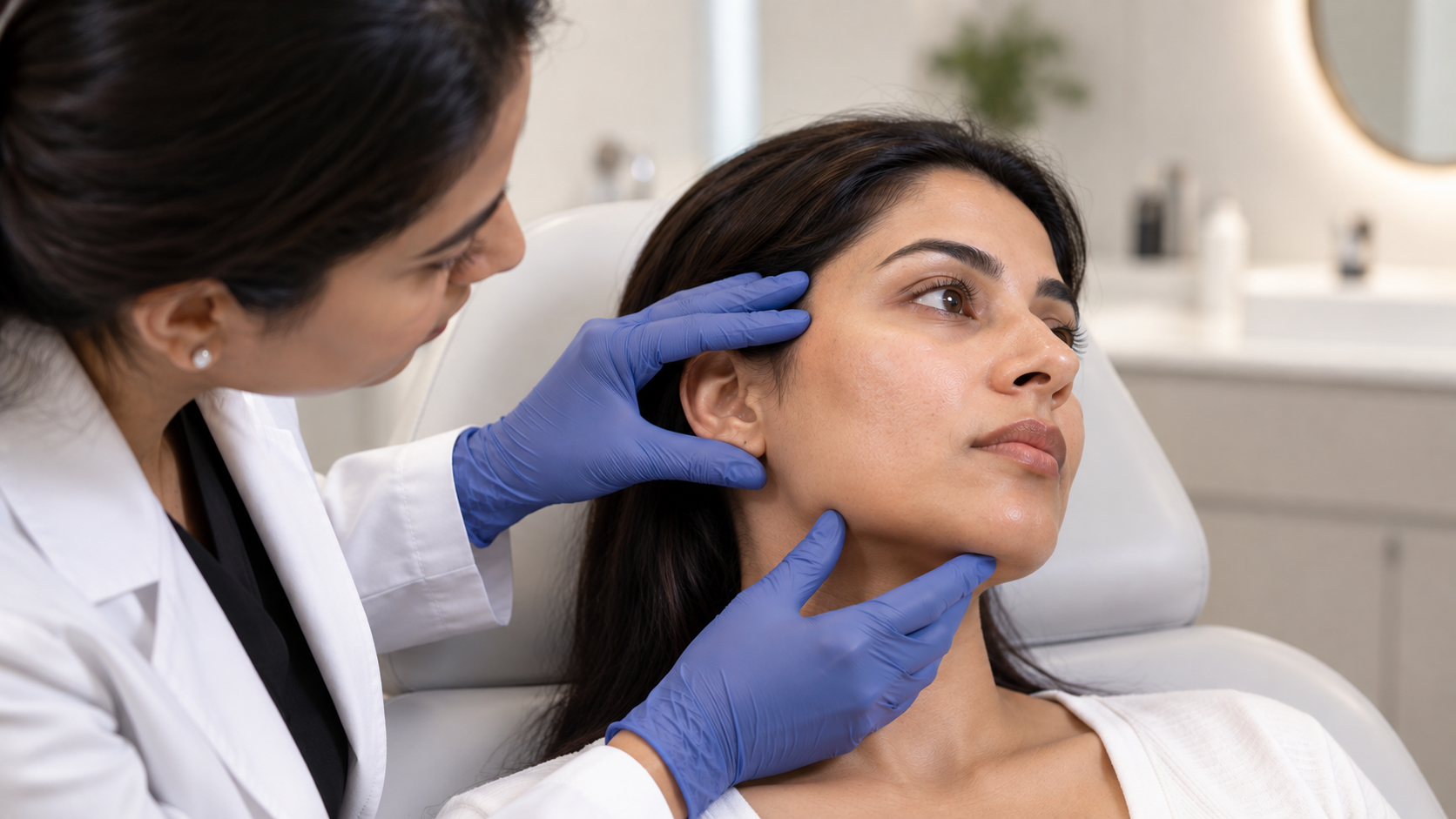
In clinical practice, wrinkle treatments are broadly grouped into injectable treatments (such as botulinum toxin and dermal fillers), energy-based treatments (such as laser resurfacing and radiofrequency), and resurfacing treatments (such as chemical peels and microneedling). The right choice depends on the type and depth of wrinkles present, your skin type, your lifestyle, and your overall aesthetic goals — all of which a qualified dermatologist will assess at consultation.
Key Advantages of Professional Wrinkle Treatment
- Clinically evidenced results. Treatments such as botulinum toxin injections and fractional laser resurfacing have been studied extensively in peer-reviewed literature and have demonstrated significant reductions in wrinkle severity across diverse patient populations. [1][2]
- Non-surgical and minimally invasive options available. Most wrinkle treatments available today involve little or no downtime, making them practical for the busy lifestyles of Mumbai patients.
- Personalised to your skin. Indian skin tones fall across a wide range of the Fitzpatrick scale, and a skilled dermatologist selects treatments and parameters carefully to avoid complications such as post-inflammatory hyperpigmentation.
- Combination approaches can deliver superior outcomes. Research shows that combining neuromodulators with dermal fillers or resurfacing treatments often achieves more natural, longer-lasting results than any single treatment alone. [2]
- Supported by long-term safety data. When performed by qualified medical professionals using approved products, the treatments described here have well-established safety profiles. [3]
Who Is It For? Eligibility at a Glance
You May Be a Good Candidate If
- You have visible fine lines or wrinkles on the forehead, around the eyes (crow’s feet), around the mouth, or on the neck that cause you concern.
- You are experiencing early signs of skin laxity or volume loss that has led to deeper static lines.
- You are in good general health and have realistic expectations about what non-surgical treatments can achieve.
- You are looking for a preventive or maintenance approach — sometimes called prejuvenation — and wish to slow the visible progression of skin ageing.
It May Not Be Right for You If
- You are pregnant or breastfeeding — most injectable and energy-based treatments are deferred until after this period.
- You have an active skin infection, open wounds, or inflammatory skin condition in the treatment area.
- You are on certain medications (such as blood thinners or immunosuppressants) that increase the risk of complications — your dermatologist will review your full medication list at consultation.
- You have a neuromuscular disorder that may interact with botulinum toxin injections.
Suitability is always determined at an in-person consultation. These are general guidelines, not a substitute for a professional assessment.
How Wrinkle Treatments Work
Understanding the mechanism behind each treatment helps you make an informed decision. Wrinkles form through two main pathways — dynamic ageing (caused by repeated muscle movement) and static ageing (caused by collagen loss, UV damage, and reduced skin hydration over time). [4]
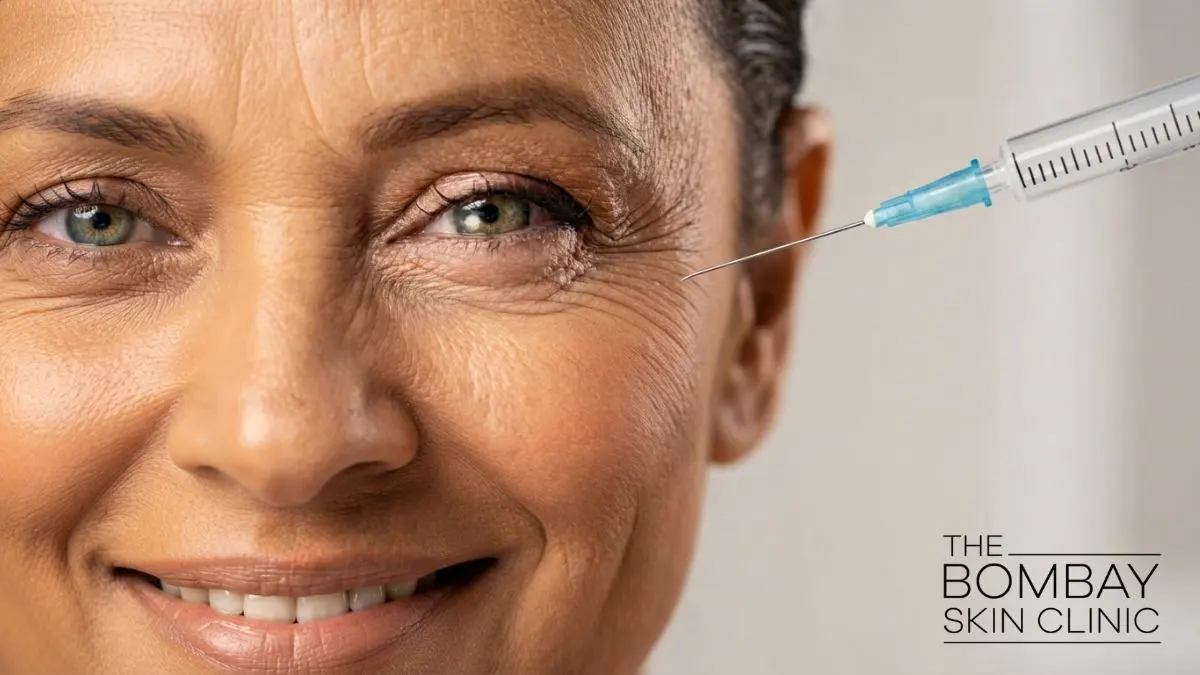
Botulinum toxin (neuromodulator injections) work by temporarily blocking the release of acetylcholine at the neuromuscular junction. This relaxes the targeted facial muscles, softening lines caused by repetitive movement — such as frown lines between the brows, horizontal forehead lines, and crow’s feet around the eyes. The effect typically becomes visible within a few days to two weeks of treatment. [1]
Dermal fillers — most commonly hyaluronic acid-based — work differently. Rather than relaxing muscles, they physically restore volume to areas where the natural fat and collagen have diminished. This plumps out static lines such as nasolabial folds (the lines from nose to mouth), marionette lines, and hollow areas around the cheeks and temples. Hyaluronic acid also attracts and retains water in the skin, improving hydration and suppleness.
Laser skin resurfacing uses controlled beams of light energy to remove the outer damaged layer of skin and stimulate the deeper dermis to produce new collagen. Fractional laser technology has made this safer for Indian skin tones by treating only a fraction of skin at a time, allowing faster healing. Research comparing laser resurfacing and chemical peels has shown that emerging fractional lasers enable safer, more effective outcomes across diverse skin types. [5]
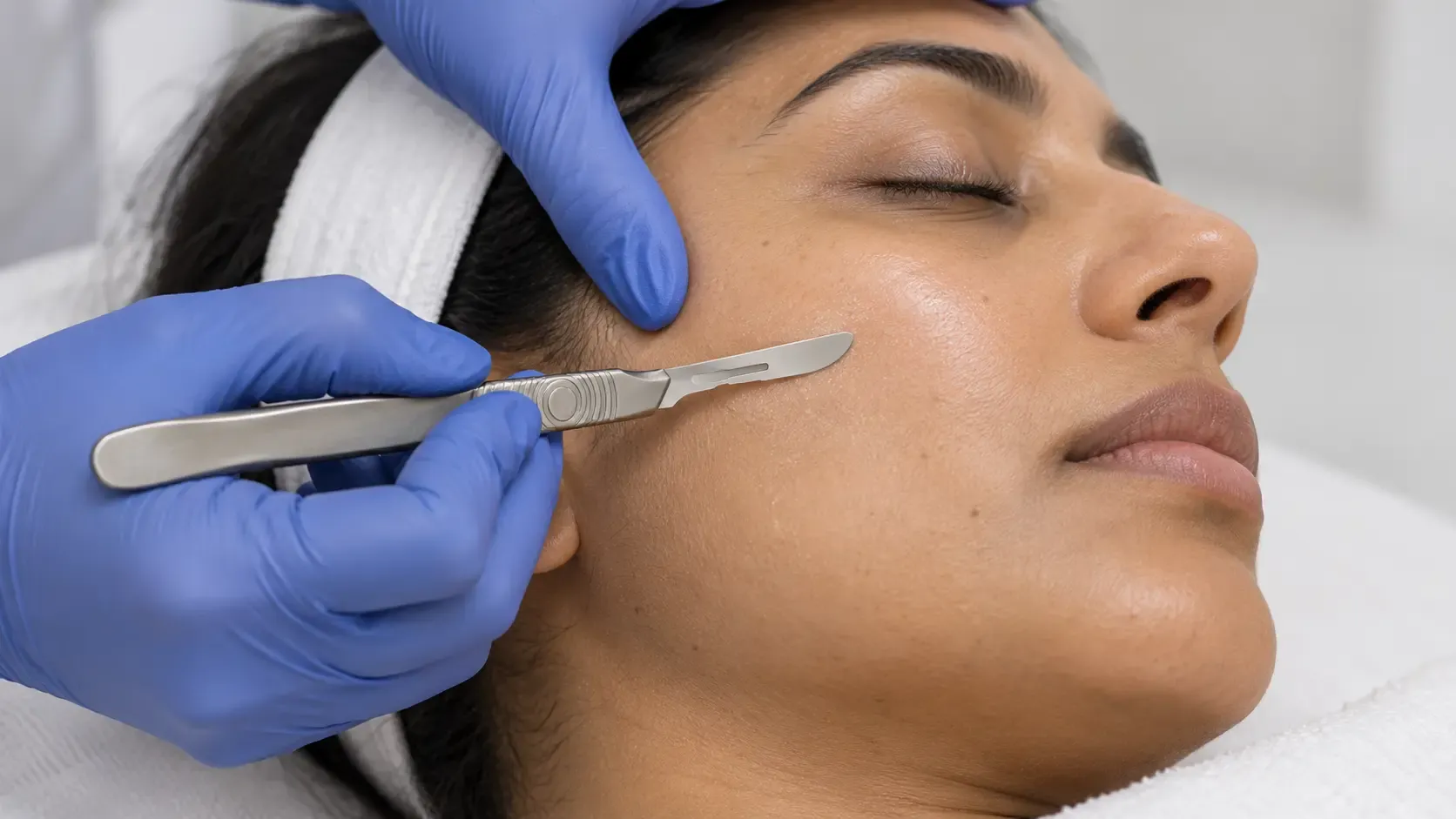
Radiofrequency (RF) microneedling combines the collagen-stimulating effect of microneedling (fine needles creating micro-channels in the skin) with the skin-tightening effect of radiofrequency energy delivered deep into the dermis. A 2024 clinical review found an average reduction of approximately 49% in periorbital wrinkle severity with RF microneedling, with high patient satisfaction. [5]
Chemical peels use controlled application of exfoliating acids (such as glycolic acid, trichloroacetic acid, or salicylic acid) to remove the superficial skin layers, promoting cell turnover and stimulating collagen production. They are particularly effective for fine lines, uneven skin texture, and mild sun damage.
Mumbai’s climate — with its high humidity, UV exposure, and air pollution — accelerates both intrinsic and photoageing. Our dermatologists factor in these environmental considerations when designing your treatment protocol.
Your Session Plan and Comfort
How Long Each Session Takes
Session duration varies by treatment. Botulinum toxin or filler injections typically take between 20 and 45 minutes, including a pre-treatment consultation and numbing time where required. Laser resurfacing or RF microneedling sessions generally take 45 to 90 minutes depending on the area being treated. Chemical peels are usually completed in 30 to 60 minutes.
A topical numbing cream is applied before injectable treatments and energy-based procedures to minimise discomfort. Most patients describe injections as a mild pinching sensation, while laser and RF treatments may produce a warm or tingling feeling during the session. Post-treatment cooling is provided as needed.
How Many Sessions You May Need
The number of sessions depends on the treatment selected and the degree of correction required.
- Botulinum toxin is typically administered as a single session, with maintenance treatments recommended every 3 to 6 months to sustain results. [1]
- Dermal fillers are usually a single session per treatment area, with maintenance every 9 to 18 months depending on the filler type and area treated.
- Fractional laser and RF microneedling courses generally involve 3 to 6 sessions spaced 4 to 6 weeks apart, with ongoing maintenance recommended annually.
- Chemical peels may be performed as a course of 4 to 6 sessions at intervals of 2 to 4 weeks, depending on the peel depth and skin concern being addressed.
Downtime is minimal for most treatments. Redness and mild swelling after injectables usually resolve within 24 to 48 hours. Laser and RF microneedling may involve 3 to 5 days of redness and mild flaking. Your dermatologist will give you specific aftercare instructions.
Safety and Contraindications
All procedures at The Bombay Skin Clinic are performed by qualified dermatologists following strict safety and sterilisation protocols. That said, every treatment carries a degree of risk, and it is important that you have an honest understanding of what these are before proceeding.
- Botulinum toxin injections are generally well tolerated. Rare side effects include temporary bruising, headache, or mild asymmetry. In inexperienced hands, incorrect placement can cause temporary drooping of an eyelid or brow — which is why treatment must always be performed by a trained medical professional. [1][3]
- Dermal fillers carry a small risk of bruising, swelling, or, rarely, vascular complications if product is inadvertently injected near a blood vessel. Your dermatologist uses fine cannulae and aspiration techniques to minimise this risk. The FDA advises patients to seek fillers only from licensed medical professionals. [3]
- Laser and RF treatments may cause temporary redness, swelling, and, in rare cases, post-inflammatory hyperpigmentation — particularly in patients with darker skin tones. Careful parameter selection by an experienced clinician significantly reduces this risk.
- Chemical peels must be matched carefully to your skin type and concern. Incorrect peel selection or prolonged contact time can cause irritation, pigment change, or scarring.
- Patients with active herpes simplex infections, recent facial surgery, or certain autoimmune conditions should defer treatment until their dermatologist advises it is safe to proceed.
All treatment decisions at our clinic are made after a thorough assessment of your medical history, current medications, and skin condition.
Results and Realistic Timelines
Results depend on the treatment selected, the area treated, the depth and type of wrinkles present, and individual factors such as skin quality and lifestyle habits.
With botulinum toxin, many patients notice a visible smoothing of dynamic lines within 7 to 14 days of treatment. Results typically last 3 to 6 months, after which the muscle activity gradually returns and repeat treatment is needed to maintain the effect. [1]
Dermal fillers deliver more immediate results — volume restoration and line softening are visible the same day, though mild swelling may temporarily affect the final appearance. Results generally last between 9 and 18 months depending on the product used and the area treated.
Laser resurfacing and RF microneedling produce more gradual results as the skin rebuilds collagen over time. Many patients see meaningful improvement after the first session, with the most significant change visible 3 to 6 months after completing the full course. Learn more about how collagen supports skin rejuvenation.
Chemical peels produce a progressive improvement in skin texture and fine lines over a course of treatments, with results continuing to develop as collagen remodelling occurs over weeks after the peel.
It is important to maintain realistic expectations. No treatment reverses the ageing process altogether — the goal is meaningful, natural-looking improvement that restores your confidence. Maintenance treatments, combined with a good daily skincare routine including broad-spectrum sunscreen, significantly extend and support the results of any in-clinic procedure. Mumbai’s year-round UV exposure makes sun protection a non-negotiable step in any anti-ageing plan.
How It Compares to Related Treatments
Botulinum toxin vs. dermal fillers: These are complementary rather than competing treatments. Botulinum toxin targets dynamic wrinkles produced by muscle movement, while fillers address static wrinkles and volume loss. For comprehensive facial rejuvenation, combining both — in conservative amounts — often yields a more natural and longer-lasting result than either treatment alone. [2]
Laser resurfacing vs. chemical peels: Both stimulate collagen and improve skin texture, but they differ in the degree of precision and downtime involved. Fractional lasers offer more controlled energy delivery and are often preferred for moderate to deep wrinkles or significant photoageing, while superficial to medium-depth peels are well-suited to fine lines, early sun damage, and dull skin tone. Your dermatologist will recommend the modality most appropriate to your concern and skin type. [5]
RF microneedling vs. standard microneedling: Standard microneedling relies solely on the mechanical action of fine needles to stimulate collagen. RF microneedling adds radiofrequency energy, which delivers heat energy into the deeper dermis and subcutaneous tissue, producing superior skin tightening alongside the collagen remodelling effect. For patients with early skin laxity alongside wrinkles, you may also wish to explore skin tightening treatments or comprehensive anti-ageing treatments at our clinic.
Why Choose The Bombay Skin Clinic
At The Bombay Skin Clinic, wrinkle treatment is always led by qualified dermatologists — not technicians or non-medical practitioners. This distinction matters. Treatments involving injectables and energy-based devices require a thorough understanding of facial anatomy, skin physiology, and potential complications. Dermatologist-led care means that every decision — from treatment selection to technique — is grounded in medical expertise.
Our team conducts a detailed skin assessment before any treatment, taking into account your skin type, medical history, lifestyle, and aesthetic goals. We do not follow a standard protocol — your treatment plan is built around you. This personalised approach helps ensure that the results are appropriate for your individual skin rather than a generic outcome.
We use well-maintained, clinically validated technology for all energy-based treatments. Our strict hygiene and sterilisation protocols apply to every procedure, every time. Injectable products used at our clinic are sourced through approved channels and handled in accordance with clinical guidelines.
For patients coming from across Mumbai, our clinic offers a comfortable, professional environment where you can discuss your concerns openly and receive honest guidance on what treatment will genuinely help you. To take the next step, book a consultation with our dermatologists via WhatsApp, phone, or through our online booking system at thebombayskinclinic.com.
Frequently Asked Questions
Is wrinkle treatment painful?
Most patients find wrinkle treatments well tolerated. Injectable treatments are performed with fine needles, and topical numbing cream is applied beforehand to minimise discomfort. Energy-based treatments such as laser and RF microneedling may produce a warm or tingling sensation during the session, which most patients describe as manageable. Your comfort is a priority, and our team will discuss what to expect before any procedure begins.
At what age should I start wrinkle treatment?
There is no fixed age to begin. Some patients in their late twenties seek preventive botulinum toxin to slow the formation of deep expression lines, while others in their forties or fifties focus on correcting established wrinkles and volume loss. The right time to start depends on your individual skin concerns, not a number. A dermatologist consultation will help you understand whether and when treatment is appropriate for you.
How long do the results of wrinkle treatment last?
This varies by treatment. Botulinum toxin results typically last 3 to 6 months. Dermal fillers generally last 9 to 18 months. Laser and RF microneedling results can be sustained for 12 to 24 months with maintenance sessions. Individual factors such as skin quality, sun exposure, and lifestyle habits also influence how long results last.
Can wrinkle treatments be combined?
Yes, and in many cases combining treatments produces better results than a single approach. For example, botulinum toxin and dermal fillers address different types of wrinkles and work well together. Your dermatologist will design a combination plan if it is appropriate for your skin, spacing treatments safely and adjusting the sequence for the best outcome.
Are wrinkle treatments safe for Indian skin tones?
When performed by an experienced dermatologist with appropriate product selection and device settings, wrinkle treatments are safe across the full range of Indian skin tones. Patients with medium to deep skin tones do require specific precautions with energy-based treatments to minimise the risk of pigment change — this is precisely why treatment by a qualified dermatologist, rather than a non-medical provider, is important.
How many sessions will I need?
Injectable treatments are typically a single session with periodic maintenance. Energy-based treatments such as laser and RF microneedling usually require a course of 3 to 6 sessions. Chemical peels may be recommended as a course of 4 to 6 sessions. Your dermatologist will outline the recommended treatment plan after assessing your skin at consultation.
References
- Indian Journal of Dermatology, Venereology and Leprology. Guidelines on the use of botulinum toxin Type A. IJDVL. https://ijdvl.com/guidelines-on-the-use-of-botulinum-toxin-type-a/
- Piotrowicz M, et al. Efficacy and durability of the association of botulinum toxin A and hyaluronic acid in the treatment of periorbital wrinkles: A randomised controlled double-blind split-face clinical study. PMC/NIH. https://www.ncbi.nlm.nih.gov/pmc/articles/PMC12355333/
- US Food and Drug Administration. Dermal filler do’s and don’ts for wrinkles, lips and more. FDA. https://www.fda.gov/consumers/consumer-updates/dermal-filler-dos-and-donts-wrinkles-lips-and-more
- Rittie L, Fisher GJ. Molecular mechanisms of dermal aging and antiaging approaches. PMC/NIH. https://pmc.ncbi.nlm.nih.gov/articles/PMC6540032/
- Kalil C, et al. Laser resurfacing versus chemical peels: A review of current trends and technological advances in nonsurgical facial rejuvenation. Cosmetics. https://www.mdpi.com/3042-6774/1/1/5
Reviewed by Dr. Batul Patel | Medical Director & Senior Dermatologist, The Bombay Skin Clinic, Mumbai
Dr. Batul Patel (Dermatologist)
Medical Director – The Bombay Skin Clinic
Dr. Batul Patel is an award winning celebrity dermatologist, practising since 20 years. Honoured as “Dermatologist of the Year 2026” by Financial Express, “Dermatologist of the Year 2023” by The Economic Times and Jury Member at Vogue Beauty & Wellness Honours 2026. View profile