
What Is Jovena® | Advantages of Treatment | Who Is a Good Candidate | Safety | Price
Quick Overview, What is Jovena®
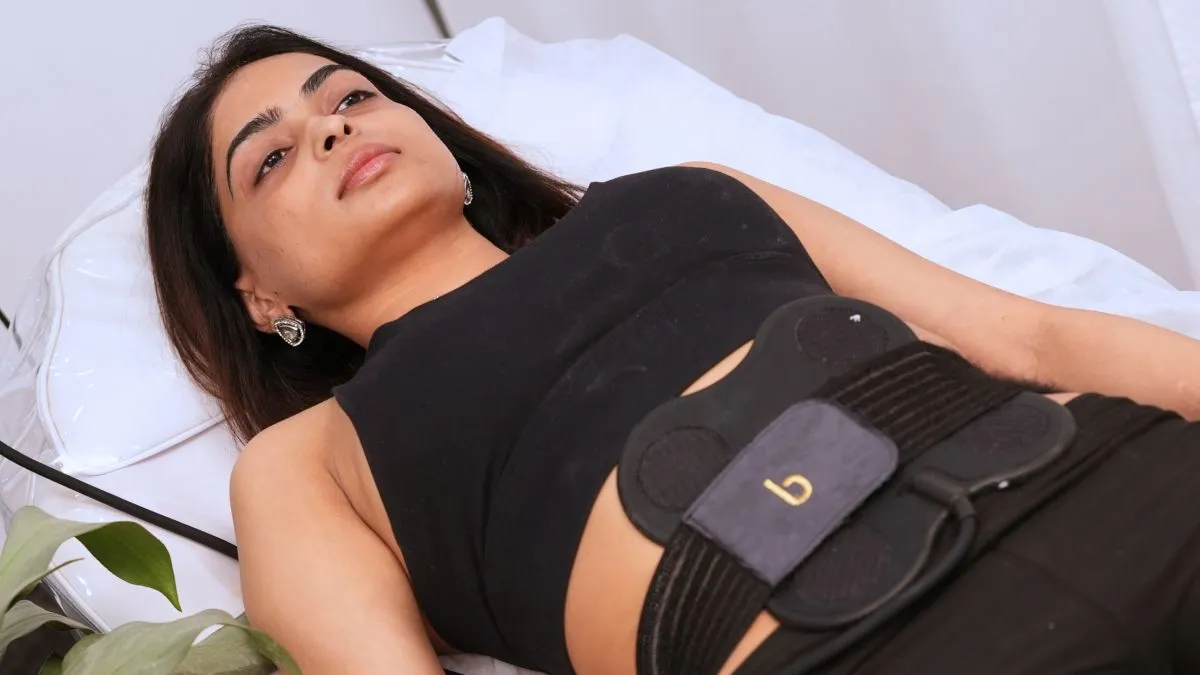
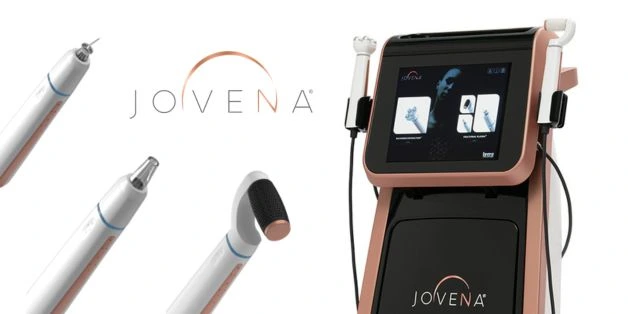
Jovena® is a clinic-based aesthetic technology that combines two energy approaches in one platform, fractional plasma for controlled surface renewal, and radiofrequency-based deep heating with muscle stimulation for supportive tightening. The aim is to work across skin layers, from the surface texture to deeper support.
It is used for skin quality goals such as smoother texture, fresher tone, and early laxity support. It is not a surgical treatment, and results depend on your baseline skin and the plan chosen after an in-clinic assessment. [1]
Why People in Mumbai Consider Jovena®
Mumbai patients often juggle humidity, long commutes, work events, and sun exposure. For many, the priority is looking refreshed without long downtime. Jovena® is considered because it aims to balance improvement with a recovery window that is usually shorter than fully ablative resurfacing.
Common reasons people explore Jovena® include:
- Support for early to moderate skin laxity, especially around the lower face and jawline.
- Skin texture refresh, including dullness, roughness, and early fine lines.
- A staged approach where the plan can be adjusted based on sensitivity, melasma tendency, and skin type.
- Combining surface renewal and deeper support in one overall programme, when appropriate. [1]
It also helps to be clear about limits. If you have significant laxity, deep folds, or a strong structural concern, you may need a different strategy, or a combination plan that may include other technologies or injectables. Jovena® is often positioned as a supportive option rather than a replacement for every concern.
Who is Eligible for Jovena®
You may be a good candidate if
- You notice early to moderate laxity, mild sagging, or loss of firmness, and you want a non-surgical option.
- You want improvement in skin texture, fine lines, and an overall “rested” look, with manageable downtime.
- You prefer a plan that can be built gradually, with conservative settings when needed.
- You are comfortable with a course of sessions, rather than expecting a single-session transformation.
Jovena® may not be suitable if
- You are pregnant or breastfeeding, or you prefer to postpone elective procedures during this phase.
- You have an active skin infection, active cold sores in the treatment area, or an inflamed rash that needs medical control first.
- You have a history of poor wound healing, or a strong tendency to form raised scars, depending on the indication and intensity planned.
- You have certain implanted electronic devices, or medical conditions where heat-based or energy-based treatments need special precautions.
Eligibility is not a checklist you complete alone. A dermatologist-led assessment matters because the same technology can be used in different modes, and your plan depends on your skin type, pigmentation risk, current skincare, and medical history.
Best skin and age profiles, especially in Indian skin tones
Indian skin tones often have higher post-inflammatory hyperpigmentation risk, especially if there is melasma tendency, recent tanning, or aggressive settings. For many Mumbai patients, the safest approach is a conservative start with clear aftercare and strict sun protection.
Evidence reviews on energy-based devices in skin of colour highlight that many technologies can be used safely when parameters are chosen carefully, and when clinicians actively plan to minimise heat injury and post-treatment inflammation. This is one reason we keep the plan dermatologist-led, not device-led. [4]
How Jovena® Works, In Simple Terms
The two-tech approach, what each component is meant to do
Jovena® is presented as a combined platform that includes:
- Fractional plasma, which targets the surface in a controlled, fractional way. The aim is to support skin renewal and texture refinement while leaving surrounding skin intact for faster recovery. [1]
- RF-based deep heating with muscle contraction (often described as diathermy plus contraction), which aims to support firmness and tone through heat delivery in deeper layers and by stimulating facial muscle activity. [1]
Not every session has to use both approaches at the same intensity. The best outcomes usually come from matching the mode to your concern, sensitivity, and downtime tolerance.
What changes inside the skin
Energy-based treatments typically work by creating controlled thermal and micro-injury signals that can trigger repair pathways. Over time, this can support collagen remodelling and tissue tightening effects, which is why results are often gradual rather than immediate.
Clinical literature on fractional plasma and radiofrequency approaches describes improvements in texture and lines, with side effects usually limited to temporary redness, swelling, and short recovery windows, when treatment is selected and delivered appropriately. [2,3]
Your Session Plan and Comfort, What a Typical Course Looks Like
Session duration
Depending on the area and protocol, sessions often take around 20 to 45 minutes of treatment time, plus prep and post-care guidance.
How many sessions do most people need
Most patients do better with a course, rather than a single session. A typical course may range from 3 to 6 sessions. Spacing is often every 2 to 6 weeks, depending on skin response, resurfacing intensity, and your calendar.
If your goal is primarily texture and glow, the plan may lean toward fewer sessions. If your goal includes firmness support, more sessions and maintenance may be discussed. Individual response varies, and a dermatologist should guide the plan based on how your skin heals between sessions.
Comfort and pain control options
Comfort matters, especially in a working city like Mumbai where many patients want to return to routine quickly. Most patients describe a warm sensation, with intensity depending on the mode used and the area treated.
Comfort measures may include topical numbing for surface-focused steps, shorter passes, conservative settings, cooling, and breaks.
Can I combine Jovena® with other treatments
Combination plans can make sense when you have multiple concerns, for example texture plus laxity plus pigmentation tendency. The key is sequencing and spacing. Some combinations are done in the same visit, while others are staggered to protect the skin barrier and reduce hyperpigmentation risk.
We generally treat Jovena® as part of a broader skin plan, not as a one-size solution. If evidence is mixed for a specific goal in your skin type, we position Jovena® as an adjunct or supportive option, and we discuss alternatives that may be more predictable. [3,4]
Safety, Contraindications, and Risk Reduction
Jovena® is a medical-aesthetic procedure and should be delivered under appropriate clinical oversight. Safety depends on selecting the right patient, choosing conservative parameters when needed, and ensuring proper aftercare.
In Indian skin, risk reduction focuses on avoiding excessive inflammation, protecting the barrier, and preventing post-inflammatory hyperpigmentation. Reviews on energy-based treatments in skin of colour emphasise careful technique and realistic counselling. [4]
How we keep it safe at The Bombay Skin Clinic
Our approach is dermatologist-led, with a strong focus on suitability and safety. We aim to reduce avoidable risks through:
- Pre-treatment assessment that looks at skin type, pigmentation tendency, active conditions, and medical history.
- Protocol selection based on the goal, not on the idea that higher intensity is always better.
- Clear, written aftercare with emphasis on barrier repair and sunscreen.
- Hygiene protocols appropriate for energy-based procedures, including cleaning, sterilisation, and single-use consumables where needed.
We also keep the plan practical for Mumbai schedules. Many patients prefer a staged approach that fits work and social calendars, rather than aggressive sessions that create unnecessary downtime.
Jovena® Compared With Other Popular Options in Mumbai
Jovena® vs HIFU
HIFU targets deeper layers using focused ultrasound, often for lifting support in suitable cases. Jovena® combines surface renewal with radiofrequency-based support and facial muscle stimulation as part of its concept. The better option depends on your primary goal, tissue thickness, and comfort preferences. [4]
Jovena® vs Thermage or other RF tightening
Single-modality RF tightening treatments are designed mainly for deep heating and collagen remodelling. Jovena® adds fractional plasma as a surface-focused option within the same platform. If your main goal is firmness with minimal surface change, a pure RF strategy may be discussed. If you want texture plus firmness, a combined approach may make sense. [3]
Jovena® vs microneedling RF
Microneedling RF can be helpful for acne scars and texture, with controlled thermal injury in the dermis. Jovena® uses a different delivery approach, with fractional plasma for surface renewal and RF-based deep heating for supportive tightening. Choice often depends on whether scars and pores are the main concern, or whether laxity and overall tone are the bigger priority. [2,4]
Jovena® vs CO2 or other resurfacing lasers
Ablative lasers such as CO2 can be strong for resurfacing and scars, but they also carry higher downtime and a higher risk of pigment problems in some Indian skin types. Fractional approaches aim to reduce downtime by treating fractional zones rather than the full surface. A conservative approach is often preferred for melasma-prone skin, especially in a sunny city like Mumbai. [4,5]
Where fillers or injectables fit in
Injectables can address volume loss and structural support, which energy-based devices do not replace. If your concern is hollowing, deep folds, or contour changes, fillers may be discussed. If your concern is primarily skin quality and early laxity, energy-based plans may be considered, sometimes alongside injectables in a staged plan.
Indicative Pricing at The Bombay Skin Clinic
Pricing for Jovena® in Mumbai is indicative and depends on the protocol, the area treated, and the number of sessions in your plan. A clear quote is usually provided after an in-clinic assessment. An indicative price would be anything between Rs.9000 and Rs.12,000.
FAQs
How many sessions do I need, and how often are they done?
Many patients need a course rather than a single visit. A typical plan may range from 3 to 6 sessions, spaced roughly every 2 to 6 weeks. Your dermatologist will adjust the plan based on your skin response and downtime preferences.
What is the downtime, can I go to work the same day?
Many people return to routine the same day, especially if the protocol is conservative. You may have redness, warmth, and mild swelling for a short period. For resurfacing-focused sessions, you may also see mild dryness or flaking for a few days.
When will I see results, and how long do they last?
Some early freshness can appear quickly as the skin settles, but most tightening and texture changes, when they occur, are judged over weeks to months. Longevity varies, and maintenance may be discussed if you see benefit. RF evidence supports gradual improvement with generally favourable safety when used appropriately. [3]
Is Jovena® safe for Indian skin, and will it cause pigmentation?
It can be used safely in many Indian skin types when parameters are chosen carefully and aftercare is followed. Pigment risk is higher in melasma-prone or easily tanning skin, especially if the skin barrier is irritated or if sun exposure is not controlled. This is why a dermatologist-led plan and strict sunscreen use are central. [4,5]
Can Jovena® be combined with HIFU, RF microneedling, lasers, or injectables?
Sometimes, yes. The decision depends on your goals and your skin’s tolerance. The key is sequencing and spacing to protect the barrier and reduce inflammation. A personalised plan is safer than mixing procedures without a clear strategy. [4]
References
-
-
- Brera Medical Technologies. Jovena® bio-regenerative platform, product information. Brera Medical Technologies website. https://www.breramedical.com/en/products/jovena/
- Halachmi S, Lapidoth M. A novel fractional micro-plasma radio-frequency technology for the treatment of facial scars and rhytids. J Cosmet Laser Ther. 2010. https://pmc.ncbi.nlm.nih.gov/articles/PMC2956449/
- Kumar N, et al. A systematic review of efficacy, safety, and patient-centered outcomes of radiofrequency treatments in aesthetic medicine. Aesthetic Surgery Journal Open Forum. 2025. https://academic.oup.com/asjopenforum/article/doi/10.1093/asjof/ojaf159/8355023
- Sanyal RD, et al. Energy-based devices for the treatment of facial skin conditions in skin of color. J Clin Aesthet Dermatol. 2024. https://pmc.ncbi.nlm.nih.gov/articles/PMC11189641/
- Mar K, et al. Treatment of post-inflammatory hyperpigmentation in skin of colour, a review. 2024. https://pmc.ncbi.nlm.nih.gov/articles/PMC11514325/
-