

Dr. Batul Patel (Dermatologist)
Medical Director – The Bombay Skin Clinic
Dr. Batul Patel is an award winning certified dermatologist, honoured as the “Dermatologist of the Year 2023” at the national level by The Economic Times. View profile
What Is MnRF Treatment | Benefits of MnRF Treatment | Who Is a Suitable Candidate for MnRF | MnRF Safety & Results | Price
What is MnRF treatment?
What is microneedling radiofrequency (MnRF)?
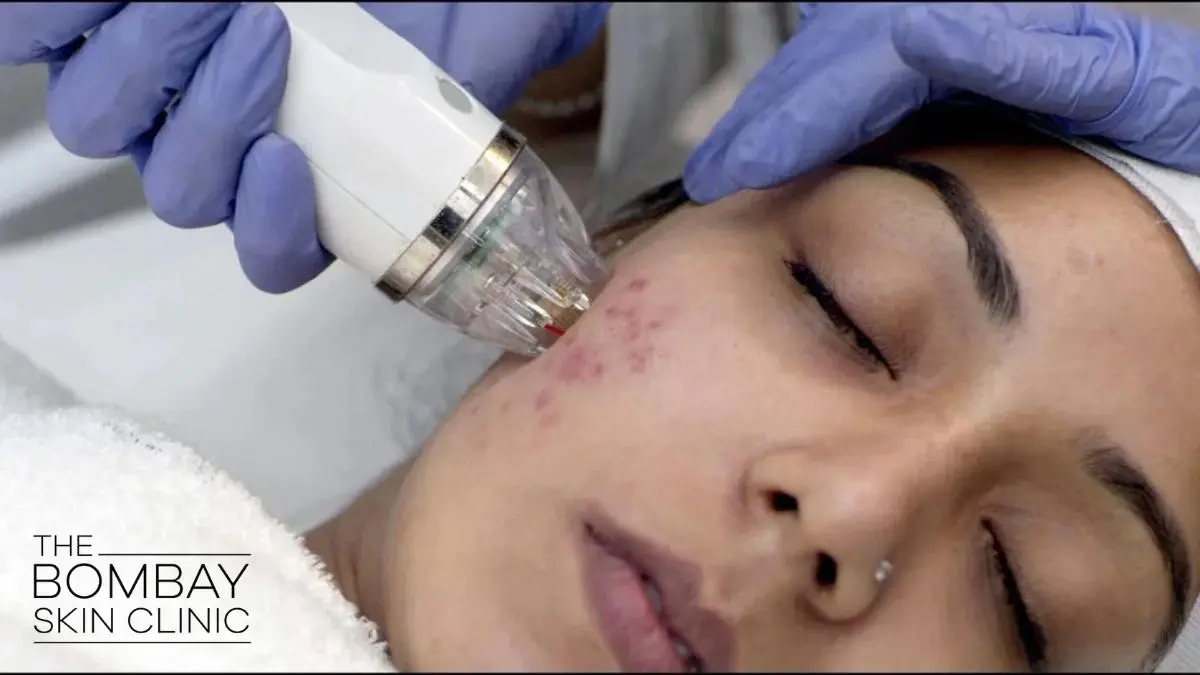
Microneedling radiofrequency, often shortened to MnRF or RF microneedling, is a minimally invasive dermatology procedure that uses very fine needles and controlled radiofrequency energy to stimulate your skin’s own repair process. It is commonly used for acne scars, enlarged pores, early skin laxity and uneven texture.
During the procedure, a specialised device creates precise micro-channels in the skin while delivering heat in the deeper dermis. This combination encourages new collagen and elastin formation, which can gradually improve the surface of the skin over the next few months.[1-4]
Skin concerns MnRF treatment can help with (acne scars, pores, fine lines, laxity)
At The Bombay Skin Clinic in Mumbai, we usually consider MnRF as one of the options for the following concerns, after a detailed skin and medical assessment:
- Atrophic acne scars such as rolling and some boxcar scars
- Visible open pores and rough skin texture
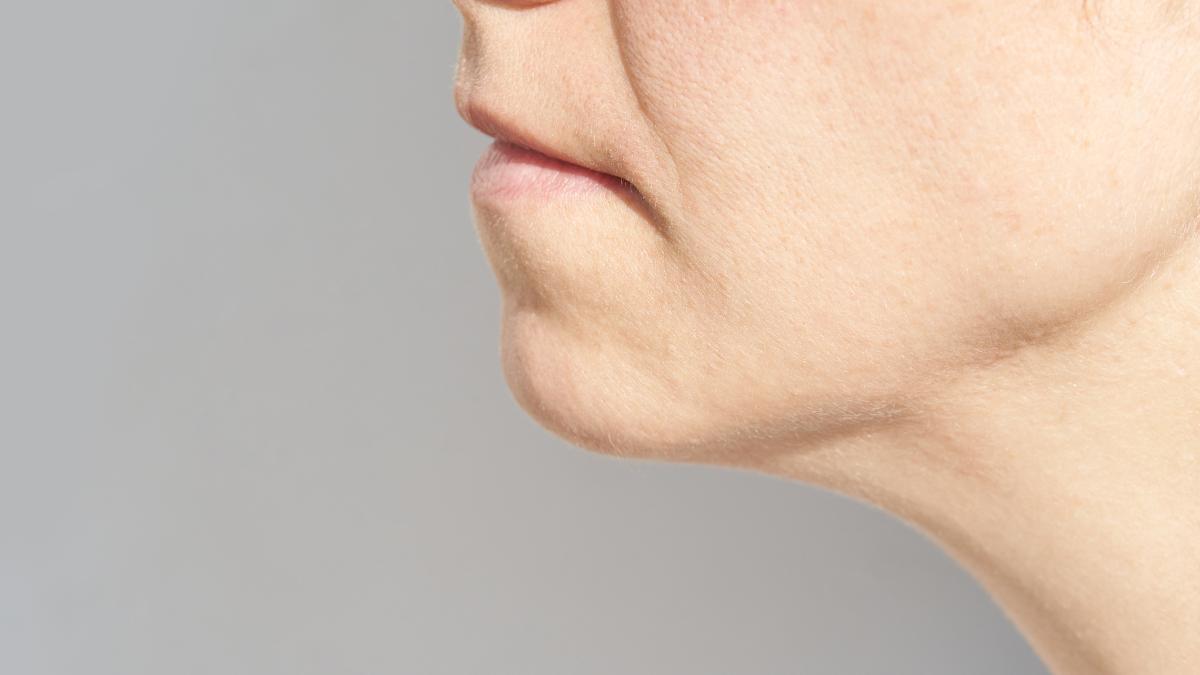
- Fine lines and mild to moderate skin laxity on the face or neck
- Textural changes after previous acne breakouts
- Certain stretch marks and localised skin creping in selected cases
MnRF is usually part of a broader acne scar or anti-ageing plan rather than a stand-alone quick fix. We often combine it with other treatments like fractional lasers, chemical peels, PRP or medical skincare when needed.[2,3]
Key benefits of MnRF treatment
Advantages of MnRF for acne scars and open pores
Clinical studies and long-term experience suggest that fractional RF microneedling can be a useful option for atrophic acne scars, especially in skin of colour.[2,4-6] Key advantages include:
- Targets deeper layers of the skin while keeping the top layer relatively intact
- Can soften the depth of rolling and boxcar scars over a series of sessions
- Helps reduce the appearance of open pores and rough patches
- Usually associated with shorter downtime than many fully ablative lasers
- Can be performed throughout the year in Indian skin with appropriate settings and aftercare
Benefits for early ageing, fine lines and skin texture
Because MnRF stimulates collagen remodelling in the dermis, it can also support early anti-ageing goals:[3,5]
- Mild to moderate improvement in fine lines and superficial wrinkles over time
- Smoother skin surface with gradual textural refinement
- Mild lifting or tightening effect in some people, especially along the jawline and lower face
It is important to remember that results are progressive and individual. MnRF is generally considered a supportive or adjunctive option rather than a replacement for surgery or more intensive tightening procedures.[3,5]
Why MnRF suits Indian skin tones
For Indian skin tones, we are especially careful to minimise the risk of post-inflammatory hyperpigmentation and surface damage. Fractional RF microneedling devices are designed to deliver most of the energy deeper in the skin while keeping the epidermis relatively protected, which may help reduce downtime and pigment risk when compared with some aggressive resurfacing lasers, provided treatment is done correctly.[2,4,6]
https://www.thebombayskinclinic.com/wp-admin/post-new.php#
This makes MnRF a useful option for appropriately selected Indian patients, when performed by trained dermatologists using medical-grade devices, sterile technique and personalised settings.
Who is MnRF treatment suitable for?
Good candidates for MnRF treatment
You may be a good candidate for MnRF treatment in Mumbai if:
- You have atrophic acne scars (rolling, boxcar) rather than raised or keloid scars
- You are concerned about open pores, uneven texture or mild laxity on the face or neck
- Your acne is largely under control, with no major active breakouts
- You are willing to follow sun protection and aftercare consistently
- You understand that improvement is gradual and varies from person to person
We usually advise an in-person or video consultation first, so that our dermatologists can classify your scar type, check for underlying conditions and suggest the most appropriate combination plan.
Who should avoid or delay MnRF
MnRF treatment may not be suitable, or may need to be postponed, if you have any of the following:
- Active acne nodules, cysts or widespread infection on the treatment area
- Uncontrolled medical conditions such as diabetes, bleeding disorders or significant heart disease
- History of keloids or abnormal scarring in the treatment area
- Recent isotretinoin use, strong peels or other intensive procedures, depending on timing
- Pregnancy or breastfeeding, where we may prefer gentler or deferred options
- Current skin infections such as herpes, fungal infections or dermatitis flare-ups
During your consultation at our Kemps Corner (South Mumbai), Bandra, Andheri or Chembur branches, we take a detailed history, review your medicines and examine your skin before recommending MnRF or any alternative.
How MnRF treatment works on your skin
The science: microneedles, radiofrequency heat and collagen remodelling
Fractional RF microneedling devices use an array of very fine needles that enter the skin to a controlled depth. Once the needles are in place, radiofrequency energy is delivered into the dermis, creating tiny zones of controlled thermal injury surrounded by healthy tissue.[1,2]
This controlled injury triggers a healing cascade in which fibroblasts are stimulated to produce new collagen and elastin. Over weeks to months, this new collagen can help soften depressed scars, improve texture and support firmer skin.[1-3,5]
MnRF vs traditional microneedling at a skin level
Traditional microneedling uses needles alone to create micro-channels and stimulate collagen by mechanical injury. MnRF adds controlled heat through radiofrequency energy. Early research suggests that this combination may enhance dermal remodelling in certain indications compared with microneedling alone, especially for acne scars and laxity.[2,5,7]
Both techniques have a role. The choice between standard microneedling, MnRF or a combination depends on your scar pattern, skin type, tolerance for downtime and overall treatment plan.
Why dermatologist mapping of depth and energy matters
Safe and effective MnRF requires careful control of:
- Needle depth in different facial zones
- Pulse duration and energy level
- Number of passes and pattern of coverage
At The Bombay Skin Clinic, our dermatology team plans these parameters according to your scar type, skin thickness and tolerance. This personalised mapping helps us focus energy only where it is needed, while protecting delicate structures and reducing the chance of unwanted side effects.
Session plan and comfort: what to expect at our Mumbai clinics
Your first consultation and acne scar / skin assessment
Your MnRF journey begins with a detailed consultation at any of our Mumbai branches. In this visit, we:
- Take a full medical and skin history, including medications and previous treatments
- Assess your acne scar type, depth and distribution
- Review your skin tone, sensitivity, tendency to pigment and healing pattern
- Discuss your main concerns, lifestyle and expectations
- Explain suitable options, which may include MnRF alone or in combination with lasers, peels or PRP
We then create a structured plan that outlines the likely number of sessions, gap between sessions and the supportive skincare needed before and after procedures.
Step-by-step MnRF procedure
Although exact steps can vary based on device and area, a typical MnRF session at our clinic includes:
- Cleansing of the treatment area
- Application of a topical anaesthetic cream for a set time to increase comfort
- Removal of numbing cream and gentle disinfection of the skin
- MnRF passes with a handheld device, section by section
- Post-procedure soothing or cooling measures where appropriate
- Application of a gentle moisturiser and sunscreen before you leave the clinic (for daytime)
The active treatment time for a full face is usually around 20 to 30 minutes, with total visit time often between 60 and 90 minutes, including preparation and post-care discussions.
Pain, comfort measures and how the treatment feels
Most patients describe MnRF as a tolerable warmth or pricking sensation. Comfort can vary based on individual pain threshold, treatment intensity and area being treated. We use topical numbing, cooling and gentle techniques to help you remain comfortable through the session.
If you are very sensitive or anxious about discomfort, we discuss this during the consultation and plan appropriate comfort measures within safe medical limits.
How many MnRF sessions are usually needed?
The number of MnRF sessions required depends on the severity of scars or laxity, your skin response and whether we are combining it with other procedures. Many studies on acne scars have used a series of three to six sessions, spaced a few weeks apart, to achieve gradual improvement.[2,4,6]
During your consultation, your dermatologist will outline a personalised estimate. We usually reassess improvement after each session and fine-tune the plan if needed.
Combining MnRF with lasers, peels, PRP or skincare
For many patients, the best results come from thoughtful combinations rather than a single modality. Depending on your skin and goals, we may combine or sequence MnRF with:
- Fractional laser sessions for deeper or resistant scars
- Chemical peels for pigmentation and surface refinement
- PRP or growth factor-based treatments as an adjunct in selected cases
- Maintenance medical skincare for acne control, pigment balance and barrier repair
We plan these combinations carefully to avoid over-treating the skin and to respect healing timelines.
Safety, side effects and contraindications
Common short-term side effects after MnRF
When performed in a medical setting with appropriate parameters, MnRF is generally considered a well-tolerated procedure. However, some temporary effects are expected:
- Redness and mild swelling for one to three days
- Sensitivity, warmth or tightness in the treated area
- Fine grid-like marks or tiny scabs in some cases, which settle over several days
- Dryness or mild flaking as the skin recovers
What to avoid after MnRF
To support healing and reduce the risk of irritation or pigment issues, we commonly advise you to temporarily avoid:
- Hot yoga, steam rooms and very intense workouts for the first couple of days
- Facials, bleaching, threading or waxing on the treated area until your dermatologist gives a go-ahead
- Strong actives such as high-strength acids or retinoids for a short period
- Home microneedling devices or abrasive scrubs on the treated skin
Results and timelines: what to realistically expect
When you may start seeing MnRF results for acne scars and pores
Some people notice mild textural improvement within a few weeks of their first MnRF session. However, collagen remodelling is a slow process. Most of the visible change tends to develop gradually over three to six months, especially when a full course of sessions is completed.[2,4,6]
For acne scars and pores, we usually track improvement through clinical assessment, standardised photographs and your own feedback over time.
How long MnRF results can last and when top-ups help
Once new collagen has formed and remodelled, the improvement can be long lasting. Ageing, lifestyle and future acne breakouts can still influence your skin. Many patients choose maintenance or top-up sessions after a certain period to support ongoing collagen health, combined with a consistent skincare and sun protection routine.
Factors that influence your outcome (scar type, skin type, lifestyle)
Your MnRF result is influenced by several factors:
- Type and depth of acne scars (rolling and boxcar scars often respond better than very deep icepick scars)
- Baseline skin quality, tone and tendency to pigment or scar
- Presence of ongoing acne, which may need parallel medical management
- Number of sessions completed and adherence to the recommended plan
- Lifestyle factors such as sun exposure, smoking and sleep
What MnRF cannot do: setting healthy expectations
Even with an optimal plan, MnRF has its limitations:
- It does not usually remove scars completely but may soften their depth and edges
- Very deep or tethered scars may need additional procedures such as subcision or lasers
- It is not a replacement for surgery in cases of severe laxity or structural change
- Results differ between individuals, even with similar scar types
Our aim is to design realistic, medically sound treatment plans and to explain likely ranges of improvement rather than promising specific numbers.
Comparing MnRF with other treatments
MnRF vs fractional CO2; laser for acne scars
Both MnRF and fractional CO2; lasers are used for acne scars, but they act in slightly different ways. Fractional CO2; lasers remove tiny columns of tissue from the surface downwards, while MnRF delivers energy mainly in the dermis with relative sparing of the top layer.[2,4]
Fractional CO2; may be more suitable for selected deeper or resistant scars but usually comes with more downtime and a higher risk of pigment issues in darker skin if not handled carefully. MnRF often offers a balance of improvement with shorter downtime in many Indian skin types. In practice, we frequently use both in a staged or combined fashion depending on your needs.
MnRF vs standard microneedling / dermaroller
Standard microneedling and dermaroller treatments rely on mechanical injury alone. MnRF adds controlled heat. Some comparative studies suggest that RF microneedling may provide stronger collagen remodelling and greater improvement for certain acne scars and laxity, while traditional microneedling may already be adequate for milder scars or pigment-related issues.[5,7]
In our Mumbai clinics, we choose between these approaches after examining your scars, budget, tolerance for downtime and overall plan.
MnRF vs chemical peels and laser toning
Chemical peels and laser toning primarily work on the epidermis and upper dermis. They are often better suited for superficial pigmentation, mild textural roughness and active acne control, rather than deeper scars.
MnRF, on the other hand, targets the deeper dermis and is focused on collagen remodelling. Many patients benefit from a combination where peels or toning handle surface pigment and active acne, while MnRF focuses on scar depth and laxity.
When we recommend MnRF alone vs combination treatment plans
We may recommend MnRF as a main procedure when your primary concern is atrophic acne scars or textural issues with relatively stable pigmentation and acne. When there are multiple concerns, such as active acne, dark marks, large pores and laxity, MnRF is often one element in a wider treatment plan that may include medical therapy, peels, lasers and skincare.
MnRF treatment cost in Mumbai
Indicative MnRF pricing at The Bombay Skin Clinic
MnRF is a customised medical procedure, so costs can vary according to device, area and complexity. As an approximate guide, MnRF treatment at our Mumbai branches typically starts from around Rs.5,000 per session for smaller areas, with full-face or combination plans costing more. Package pricing is often available when a series of sessions is recommended.
Exact pricing is confirmed after your in-clinic assessment, once we have mapped your needs and the number of sessions likely to be useful.
Why choose The Bombay Skin Clinic for MnRF treatment in Mumbai?
Dermatologist-led, protocol-driven MnRF (Dr Batul Patel and team)
The Bombay Skin Clinic is a dermatologist-led practice, headed by Dr Batul Patel and a team of qualified skin specialists. Every MnRF plan is assessed, approved and supervised by dermatologists with experience in treating acne scars and texture concerns in Indian skin.
We follow structured protocols but customise settings and combinations for each person, based on medical history, scar mapping and lifestyle.
Advanced technology, hygiene and safety protocols
Our clinics in Kemps Corner (South Mumbai), Bandra, Andheri and Chembur use carefully selected medical-grade devices for MnRF and related treatments. We place strong emphasis on:
- Strict sterilisation and infection-control protocols in all procedure rooms
- Single-use consumables where appropriate
- Evidence-guided settings and conservative escalation to protect your skin barrier
- Detailed consent, expectations counselling and documentation
FAQs on MnRF treatment
Is MnRF better for active acne or only for acne scars?
MnRF is mainly used for acne scars, texture and mild laxity. Some protocols also explore MnRF for active acne, but the primary and more established role is in atrophic scars. If you still have active breakouts, we usually treat the acne medically first and then focus on scars and texture once the inflammation is better controlled.[2,4]
How painful is MnRF and is numbing cream enough?
Most people find MnRF tolerable with topical anaesthetic cream, describing sensations of heat and prickling. Comfort depends on intensity, area treated and your individual threshold. During your consultation, we discuss pain control options and plan keeping your comfort and safety in mind.
How many MnRF sessions will I need for my acne scars?
Many clinical studies use between three and six sessions for acne scars, spaced a few weeks apart.[2,4,6] The exact number for you depends on factors like scar depth, other treatments in your plan and how your skin responds. Your dermatologist will reassess after each session and guide you on whether more sessions are likely to add benefit.
Can MnRF be combined with chemical peels, PRP or lasers?
Yes, MnRF is often combined with other treatments in a structured plan. Chemical peels or laser toning can address pigmentation and active acne, while MnRF focuses on scar depth and texture. PRP or similar adjuncts may be used in selected cases to support healing. The sequence and spacing are carefully planned to avoid overloading your skin.
References and scientific evidence for MnRF in acne scars and skin rejuvenation
- Chandra S, et al. Physics of fractional microneedle radiofrequency: A review. J Cutan Aesthet Surg. 2024. Available from: https://pmc.ncbi.nlm.nih.gov/articles/PMC11497551/
- Niaz G, et al. Fractional radiofrequency microneedling as a monotherapy in acne scar management: A systematic review of current evidence. Clin Cosmet Investig Dermatol. 2025. Available from: https://www.dovepress.com/fractional-radiofrequency-microneedling-as-a-monotherapy-in-acne-scar–peer-reviewed-fulltext-article-CCID
- Cook J, et al. Fractional radiofrequency microneedling for skin rejuvenation. Dermatol Ther (Heidelb). 2020. Available from: https://onlinelibrary.wiley.com/doi/full/10.1002/der2.10
- Hamadani F, et al. The role of fractional radiofrequency in long-term acne scar management. Aesthet Surg J. 2025. Available from: https://academic.oup.com/asj/article/45/Supplement_1/S23/7958337
- Jaiswal S, et al. Microneedling in dermatology: A comprehensive review. Indian Dermatol Online J. 2024. Available from: https://pmc.ncbi.nlm.nih.gov/articles/PMC11499218/
- American Academy of Dermatology. Microneedling can fade scars, uneven skin tone, and more. Available from: https://www.aad.org/public/cosmetic/scars-stretch-marks/microneedling-fade-scars
- American Academy of Dermatology. Acne scars: Consultation and treatment. Available from: https://www.aad.org/public/diseases/acne/derm-treat/scars/treatment
- Măgerușan ȘE, et al. Current understanding of microneedling procedures for cosmetic dermatology. Cosmetics (Basel). 2024. Available from: https://www.mdpi.com/2079-9284/11/6/193
Dr. Batul Patel (Dermatologist)
Medical Director – The Bombay Skin Clinic
Dr. Batul Patel is an award winning certified dermatologist, honoured as the “Dermatologist of the Year 2023” at the national level by The Economic Times. View profile