

Dr. Batul Patel (Dermatologist)
Medical Director – The Bombay Skin Clinic
Dr. Batul Patel is an award winning certified dermatologist, honoured as the “Dermatologist of the Year 2023” at the national level by The Economic Times. View profile
Face Wave in Mumbai | What Is Face Wave RF | Good Candidate | Results & Sessions | Treatment Cost
Face Wave RF Treatment in Mumbai
If your face has started looking softer, heavier or less defined, you may be exploring non-surgical options before stronger treatments. Face Wave RF treatment in Mumbai is often considered for people who want gradual firming, better skin texture and a fresher look without surgical downtime.
At The Bombay Skin Clinic, we approach radiofrequency face tightening as a personalised medical-aesthetic treatment. A dermatologist-led assessment helps us decide whether Face Wave RF, another skin tightening option, or a combination plan is more appropriate.
What Is Face Wave RF Treatment?
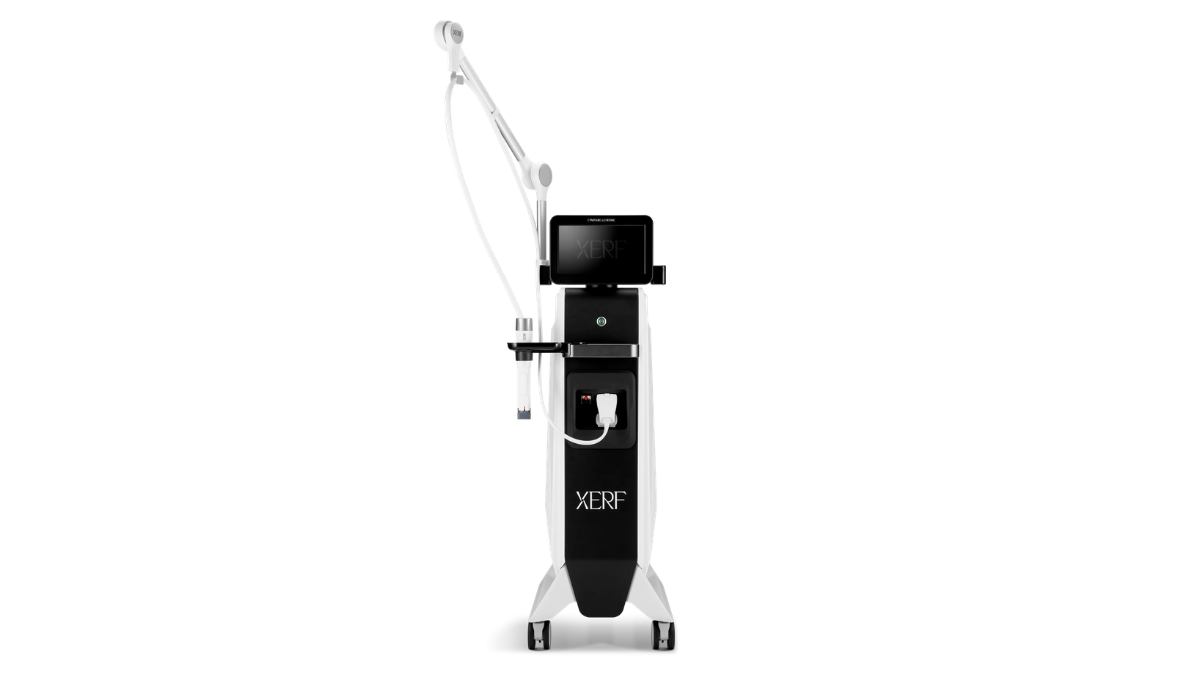
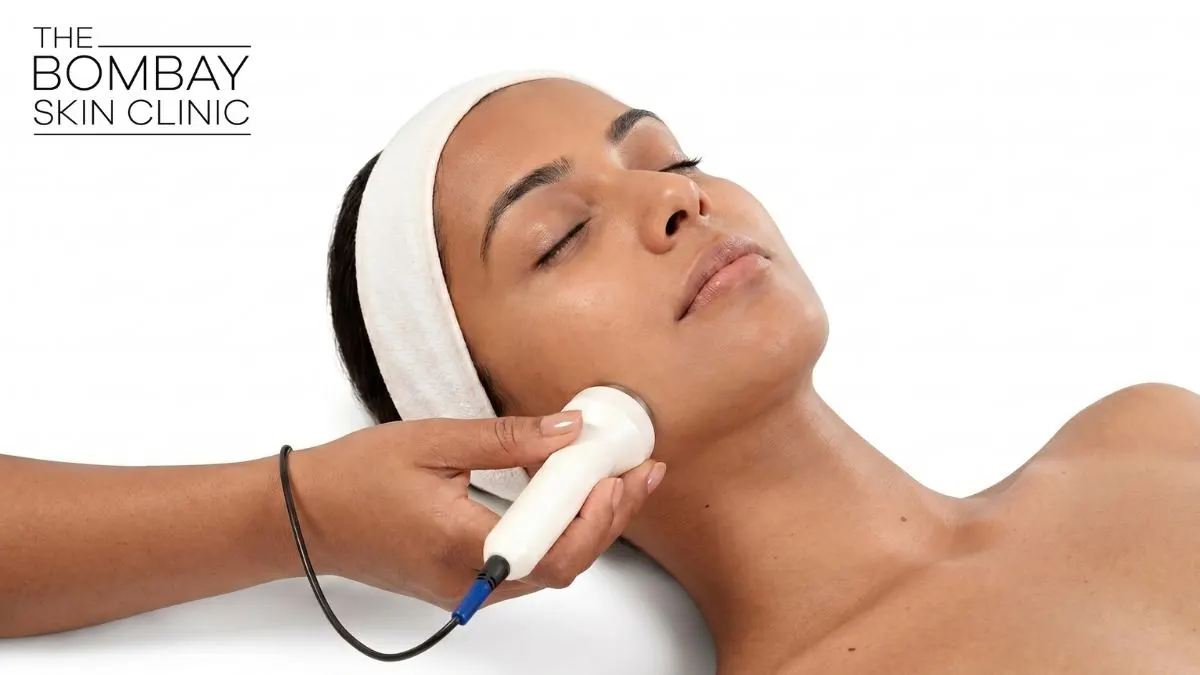
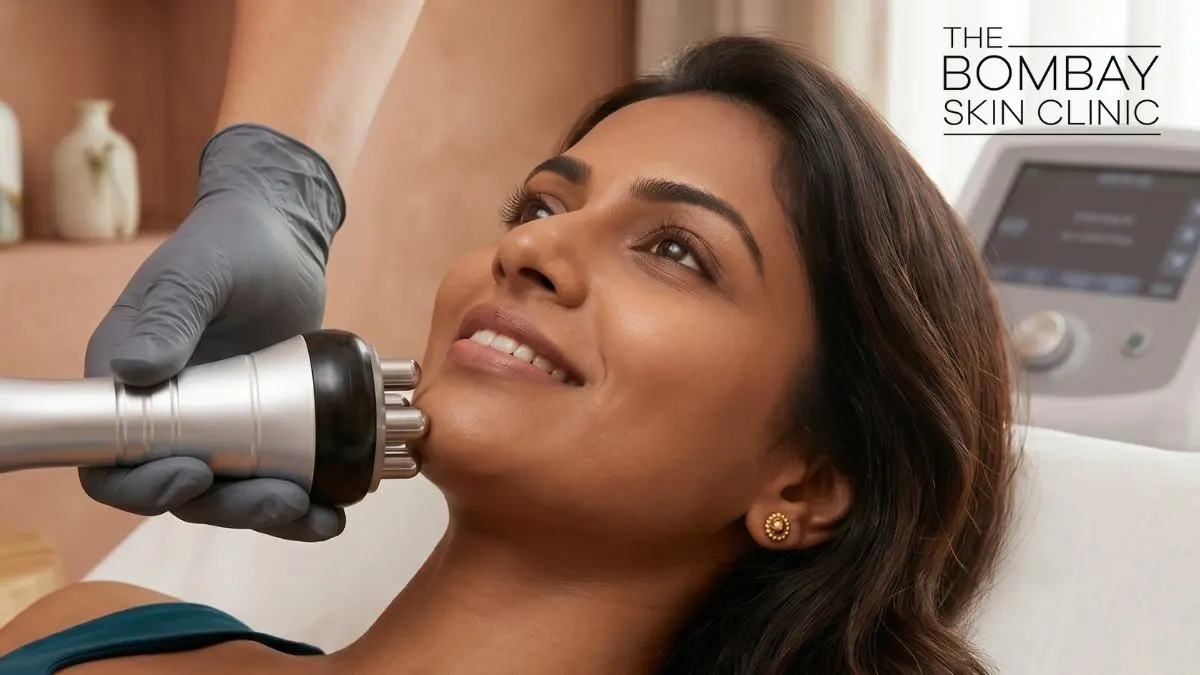
Face Wave RF is a non-surgical facial treatment based on radiofrequency energy. RF energy creates controlled heat in deeper skin layers, which can support collagen and elastin activity over time.
In simple terms, Face Wave RF is designed for people who want a firmer, more refreshed look without cuts, stitches or a long recovery period. It is best understood as a supportive collagen-stimulation treatment, not as a replacement for surgery.
Key Advantages of Face Wave RF for the Face
Face Wave RF may be considered when the concern is early laxity, mild facial sagging, dullness or fine textural ageing. It is often preferred by patients who want a treatment that fits into a busy Mumbai schedule.
- It is non-surgical, with no incisions or stitches.
- It may support gradual firming of the face and jawline.
- It usually involves minimal downtime when performed appropriately.
- It may help improve the look of fine lines, texture and skin firmness.
- It can be planned as part of a wider skin quality programme.
Medical sources describe non-invasive RF skin tightening as a treatment where a device is placed against the skin to heat the tissue beneath. Visible improvement is usually gradual because collagen remodelling takes time [1,2].
Who Is a Good Candidate for Face Wave RF?
The right candidate wants natural-looking improvement and understands that results are gradual.
You may be suitable if you have mild to moderate skin laxity
You may be suitable if you have:
- Mild looseness around the lower face, cheeks or jawline.
- Early ageing signs, such as fine lines and reduced firmness.
- Skin that feels tired, dull or less elastic than before.
- A preference for non-surgical treatment with limited routine disruption.
- A willingness to follow a full treatment course and maintenance plan.
You may not be suitable if your skin needs a more corrective approach
You may need another pathway if you have:
- Severe sagging or heavy jowls.
- Deep folds caused mainly by volume loss.
- Marked acne scars, deep textural irregularity or significant sun damage.
- Loose neck skin that may need a different energy-based or surgical opinion.
- Expectations of dramatic lifting from a non-surgical RF facial.
Where skin laxity is advanced, Face Wave RF may be used only as an adjunct. It may support skin quality, but it may not create the level of lift that a stronger procedure can offer. If you are considering skin tightening treatments in general, our dermatologists can help you choose the right approach.
Who Should Avoid Face Wave RF or Delay Treatment?
You should delay or avoid treatment unless cleared by the dermatologist if you have:
- Pregnancy, recent delivery or breastfeeding, depending on assessment.
- A pacemaker, implanted electronic device or certain metal implants in the treatment area.
- Active skin infection, open wounds, burns, rash or inflamed skin on the face.
- Recent facial surgery, threads, fillers or other procedures that need spacing.
- A history of poor wound healing, keloid tendency or unusual heat sensitivity.
- Uncontrolled medical conditions that may affect treatment safety.
During consultation, we ask about medicines, previous procedures, allergies and upcoming events so we can choose safer settings.
How Does Face Wave RF Work on the Skin?
Radiofrequency devices deliver energy that produces controlled heating below the skin surface. This heat response can stimulate collagen, elastin and new skin cell activity. Cleveland Clinic explains that RF heat penetrates into skin layers and supports collagen and elastin, which are important for strength and flexibility [2].
Collagen changes are not instant. Some patients feel a mild tightening effect soon after the session because of heat-related tissue response. The more meaningful change usually appears gradually as the skin remodels over weeks and months.
For the face, the aim is controlled, appropriate heating based on your skin thickness, tone, laxity and comfort.
Which Face Concerns Can Face Wave RF Help With?
Face Wave RF is usually considered for early ageing and mild contour concerns.
Mild sagging around the jawline and lower face
Many patients ask for RF face tightening because they notice early heaviness near the jawline, cheeks or lower face. Face Wave RF may help the skin feel firmer in these areas over a treatment course.
If the concern is mainly fat, muscle pull or deep volume loss, RF alone may not be enough. You may also want to explore our jawline contouring treatment options for a fuller picture.
Fine lines, skin texture and early ageing changes
RF-based treatments are often used for fine lines, mild wrinkles and skin texture improvement. Evidence reviews describe RF as a useful modality for facial rejuvenation, though results vary across devices, protocols and patient factors [3,4].
Deeper etched lines may need additional options such as injectables, lasers, microneedling-based procedures or prescription skincare.
Dullness, tired-looking skin and loss of firmness
When skin loses firmness, the face can look tired even when you are well rested. Face Wave RF may help support a fresher look by improving firmness and skin quality over time.
Dullness can also be linked to pigmentation, dehydration, sun exposure, pollution, hormones, sleep, stress and skincare mismatch.
How Many Face Wave RF Sessions Are Usually Needed?
The number of sessions depends on age, laxity level, skin quality and treatment goal. Many patients require a course rather than a single session, especially when the aim is gradual firming and collagen support.
An indicative plan may include:
- One session every 2 to 4 weeks, depending on protocol.
- A course of 4 to 6 sessions for visible firmness support.
- Maintenance sessions every few months, if advised after review.
The correct plan should be decided after assessment.
What Results Can You Expect and When?
Face Wave RF results are usually gradual. The treatment works with your skin’s biological response, so the final change depends on collagen activity, skin quality, lifestyle and consistency.
What you may notice early
Some patients may notice that the face feels slightly firmer or fresher soon after the session. This early effect can be subtle and may not represent the final collagen response.
There may also be a temporary healthy-looking glow. This varies from person to person.
What may improve gradually
Gradual improvement may include:
- Better skin firmness.
- Softer appearance of fine lines.
- Improved skin texture.
- A more supported look around the lower face.
- Better overall skin quality when combined with skincare and sun protection.
The American Academy of Dermatology notes that collagen-related tightening results from non-invasive procedures can take months to appear. RF improvement is often seen more fully in the later collagen-remodelling phase [1]. Cleveland Clinic also notes that skin tone and appearance changes can take about 2 to 6 months, and some people may need multiple treatments [2].
Why results vary from person to person
Results vary because every face ages differently. Skin thickness, collagen reserve, sun exposure, weight changes, hormones, smoking, sleep, stress and skincare all affect the outcome.
Face Wave RF may be helpful for one patient and too mild for another.
Is There Any Downtime After Face Wave RF?
Downtime is usually minimal with non-invasive RF skin tightening. Mild redness, warmth or swelling can occur and often settles quickly. Cleveland Clinic notes that mild redness and swelling can happen after RF skin tightening and usually settle within a short period [2].
Most patients can continue normal routine after treatment, but we may suggest avoiding intense heat exposure, harsh actives or heavy workouts for a short period if the skin feels sensitive.
If you are planning treatment before an event or travel, schedule a consultation early.
Safety, Side Effects and Contraindications
Face Wave RF is generally considered a low-downtime procedure when performed with appropriate settings by trained professionals. Still, it uses heat, so safety planning is essential.
Possible temporary effects include:
- Mild redness.
- Warmth in the treated area.
- Slight swelling.
- Tenderness or sensitivity.
- Temporary dryness or tightness.
You should discuss safety carefully if you have implanted electronic devices, metal implants, active skin disease, recent procedures, pregnancy, breastfeeding, uncontrolled illness or a history of abnormal scarring.
Face Wave RF vs Other Skin Tightening Treatments
Face Wave RF is one option within a wider skin tightening and rejuvenation menu.
Face Wave RF vs HIFU
HIFU uses focused ultrasound energy and is often selected for deeper lifting support in suitable patients. Face Wave RF works through radiofrequency heating and may be preferred for gradual skin firmness and texture support. You can read more about our HIFU skin tightening facial treatment to compare both approaches.
For some patients, HIFU may be better for deeper lifting goals. For others, RF may suit skin quality better.
Face Wave RF vs RF microneedling
RF microneedling combines microneedling with RF energy. It can be useful for selected concerns such as scars, texture, pores and deeper skin remodelling. Reviews note that RF microneedling can support dermal remodelling and that improvement may continue over months [6].
Face Wave RF is typically non-invasive and does not involve needles. It may involve less downtime, but it may be less corrective for scars. Our MNRF treatment in Mumbai page covers this in more detail.
Face Wave RF vs fillers
Fillers are usually used to restore or support volume, contour and facial balance. Face Wave RF focuses more on skin firmness and collagen support.
If the face looks tired because of volume loss, dermal fillers in Mumbai may be more relevant. If the concern is early laxity, Face Wave RF may be considered.
Face Wave RF vs surgical facelift
A surgical facelift can address more advanced sagging and deeper tissue descent. Face Wave RF cannot create the same level of lifting.
For early to moderate concerns, RF may be practical. For significant laxity, we will explain its limitations clearly.
When Is Face Wave RF a Supportive or Adjunct Treatment?
Face Wave RF should be seen as a supportive option when RF alone may not fully address the concern. This can happen when ageing changes are mixed, such as laxity with volume loss, pigmentation, acne scars or deeper folds.
In these cases, RF may still support skin quality, but it should not be positioned as the full solution. A dermatologist may combine or sequence it with skincare, injectables, lasers, microneedling-based procedures or other devices, depending on suitability.
Often, poor results happen when the treatment depth or target is not matched to the concern.
Face Wave RF Treatment Cost at The Bombay Skin Clinic
The cost of Face Wave RF treatment in Mumbai depends on the area treated, number of sessions, device protocol, doctor assessment, combination plan and maintenance schedule.
At The Bombay Skin Clinic, indicative Face Wave RF pricing may start from around ₹4,500 per session for selected facial protocols. A full course or combination plan can cost more depending on your treatment plan. Final pricing is shared after an in-clinic assessment.
During consultation, we explain:
- Whether Face Wave RF is suitable for your concern.
- How many sessions are recommended.
- Whether another treatment may work better.
- The expected timeline and maintenance needs.
- The complete cost before you begin.
FAQs About Face Wave RF Treatment
Is Face Wave RF safe for Indian skin?
Face Wave RF can be suitable for Indian skin when the patient is correctly selected and the device is used with appropriate settings. Because Indian skin can be more prone to pigmentation after irritation or heat injury, dermatologist-led assessment and careful aftercare are important.
How long does one Face Wave RF session take?
A face session usually takes about 30 to 60 minutes, depending on the areas treated and the protocol used. Your visit may take longer if consultation, skin preparation or combination steps are included.
Can Face Wave RF define the jawline?
Face Wave RF may support mild jawline firmness when the concern is early skin laxity. If the jawline concern is due to fat, deep tissue descent or volume loss, another treatment may be more suitable.
How soon can I go back to work after Face Wave RF?
Many patients can return to work the same day. Mild redness or warmth can occur but usually settles quickly. If your skin is sensitive, we may advise simple aftercare and temporary avoidance of heat, heavy exercise or strong actives.
How is Face Wave RF different from a regular facial?
A regular facial mainly works on cleansing, exfoliation, massage and surface-level glow. Face Wave RF uses radiofrequency energy to heat deeper layers of the skin and support collagen-related firmness over time. It should be planned as a clinical skin treatment, not as a spa facial.
Citation Sources
- American Academy of Dermatology Association. Many ways to firm sagging skin. Available from: https://www.aad.org/public/cosmetic/younger-looking/firm-sagging-skin
- Cleveland Clinic. Radio Frequency (RF) Skin Tightening. Available from: https://my.clevelandclinic.org/health/treatments/24683-radio-frequency-rf-skin-tightening
- El-Domyati M, et al. Radiofrequency facial rejuvenation: evidence-based effect. JAAD. Available from: https://pubmed.ncbi.nlm.nih.gov/21315951/
- Austin GK, et al. Evaluating the effectiveness and safety of radiofrequency for face and neck rejuvenation. J Cosmet Dermatol. Available from: https://pubmed.ncbi.nlm.nih.gov/34923652/
- U.S. Food and Drug Administration. Potential Risks with Certain Uses of RF Microneedling. Available from: https://www.fda.gov/medical-devices/safety-communications/potential-risks-certain-uses-radiofrequency-rf-microneedling-fda-safety-communication
- Tan MG, et al. Radiofrequency Microneedling: A Comprehensive and Critical Review. Dermatologic Surgery. Available from: https://pubmed.ncbi.nlm.nih.gov/33577211/
Dr. Batul Patel (Dermatologist)
Medical Director – The Bombay Skin Clinic
Dr. Batul Patel is an award winning certified dermatologist, honoured as the “Dermatologist of the Year 2023” at the national level by The Economic Times. View profile