

Dr. Batul Patel (Dermatologist)
Medical Director – The Bombay Skin Clinic
Dr. Batul Patel is an award winning celebrity dermatologist, practising since 20 years. Honoured as “Dermatologist of the Year 2026” by Financial Express, “Dermatologist of the Year 2023” by The Economic Times and Jury Member at Vogue Beauty & Wellness Honours 2026. View profile
What Is Anti-Ageing Treatment | Key Advantages | How It Works | Results & Timelines | Why Choose Us
Ageing is a natural journey, but when fine lines, loose skin, uneven tone, or hollowed features begin to affect your confidence, you do not have to simply accept it. Anti-ageing treatment in Mumbai has evolved considerably — offering a wide spectrum of evidence-based, minimally invasive options that work with your skin’s own biology to restore a healthier, more refreshed appearance. [1]
At The Bombay Skin Clinic, our dermatologists take a personalised, medically grounded approach to facial ageing. Rather than chasing a single procedure, we assess each patient’s unique skin structure, lifestyle, and goals before building a customised treatment plan.
What Is Anti-Ageing Treatment?
Anti-ageing treatment refers to a broad category of dermatological procedures designed to slow, reverse, or visibly improve the signs of skin ageing — including wrinkles, fine lines, volume loss, skin laxity, pigmentation changes, and dullness. These signs are driven by two main processes: intrinsic (chronological) ageing, which is genetic and gradual, and extrinsic ageing, caused largely by sun exposure (photoageing), pollution, and lifestyle factors. [2]
Modern anti-ageing treatments do not aim to erase every line or freeze your face. Instead, they work to restore the natural structural proteins — primarily collagen and elastin — that diminish with age, improve skin texture and hydration, and enhance facial contours in a way that looks refreshed and natural.
Key Advantages of Anti-Ageing Treatment
- Clinically backed results. Treatments such as topical retinoids, injectable neurotoxins, and laser resurfacing have robust clinical evidence supporting their effectiveness in reducing wrinkles, improving skin texture, and stimulating collagen production. [3]
- Non-surgical options available. Most anti-ageing procedures today are minimally invasive or non-invasive, meaning little to no downtime and no surgical risk.
- Personalised to your skin. A skilled dermatologist can combine treatments — for example, pairing a collagen-stimulating microneedling procedure with a skin-brightening peel — to address multiple concerns in a single plan.
- Progressive and natural-looking improvements. Rather than dramatic, sudden changes, most treatments deliver gradual improvements that colleagues and friends may notice without being able to name.
- Safe for Indian skin tones. With the right device settings and protocols, most anti-ageing procedures can be delivered safely on South Asian skin, which has its own considerations around pigmentation and healing.
Who Is It For? Eligibility at a Glance
Anti-ageing treatments are suitable for a wide range of adults, but the right procedure — and the right time to begin — depends on an in-person assessment with a dermatologist.
You May Be a Good Candidate If
- You are in your late twenties or older and noticing early signs of fine lines, skin dullness, or loss of firmness.
- You have concerns such as crow’s feet, forehead lines, nasolabial folds, under-eye hollowing, uneven skin tone, or visible sun damage.
- You are in generally good health and have realistic expectations about gradual, natural-looking improvements.
It May Not Be Right for You If
- You are pregnant or breastfeeding — most active procedures are deferred during this period.
- You have active skin infections, open wounds, or certain autoimmune conditions, which require assessment before any procedure.
- You are on specific medications such as blood thinners or immunosuppressants — your dermatologist will review your medication history and advise accordingly.
How Anti-Ageing Treatments Work
The skin ages because of a gradual decline in structural proteins. Collagen content in the dermis decreases at roughly 1% per year after the mid-twenties, and ultraviolet (UV) radiation accelerates this by activating enzymes called matrix metalloproteinases (MMPs) that break down existing collagen fibres. [2] The result over time: thinner skin, reduced elasticity, deeper lines, and a loss of facial volume.
Different anti-ageing treatments target different stages of this process:
Topical treatments (retinoids and antioxidants)
Retinoids — derived from Vitamin A — are the most clinically validated topical anti-ageing agents. Tretinoin, the prescription-strength form, has been shown in multiple controlled trials to reduce fine lines, improve skin texture, and stimulate new collagen synthesis. It works by binding to retinoic acid receptors in the skin, accelerating cell turnover and upregulating collagen-producing pathways. [3] Antioxidants such as Vitamin C help neutralise free radicals generated by UV and pollution exposure, reducing oxidative damage to skin cells.
Chemical peels
Chemical peels use acids — such as glycolic acid, trichloroacetic acid (TCA), or salicylic acid — to remove the outer damaged layers of skin in a controlled manner. Superficial peels address surface texture and mild pigmentation; medium-depth peels reach the dermis to stimulate more significant collagen remodelling. Peels are particularly useful for photoaged skin, uneven tone, and fine lines.
Injectable neurotoxins (Botulinum toxin)
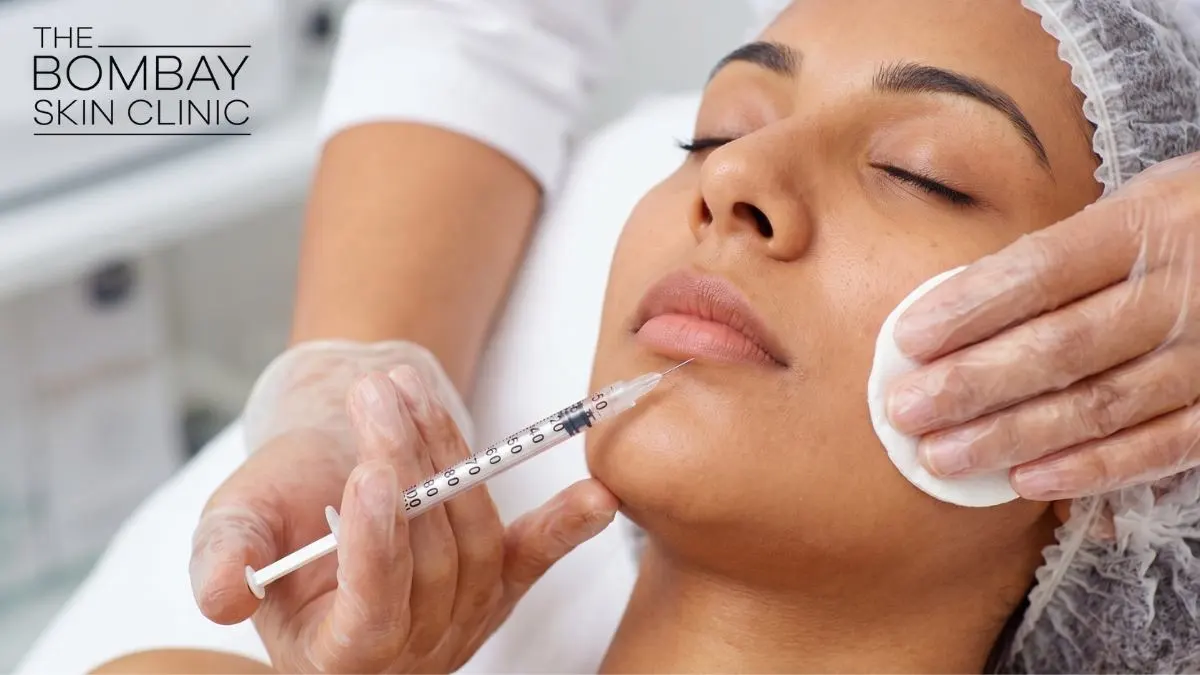
Botulinum toxin type A is injected in small, precise quantities into specific facial muscles. It temporarily relaxes these muscles, smoothing the overlying skin and softening expression lines — crow’s feet, frown lines, and forehead wrinkles. The effect is subtle, reversible, and when administered by an experienced dermatologist, maintains natural movement. [4]
Dermal fillers
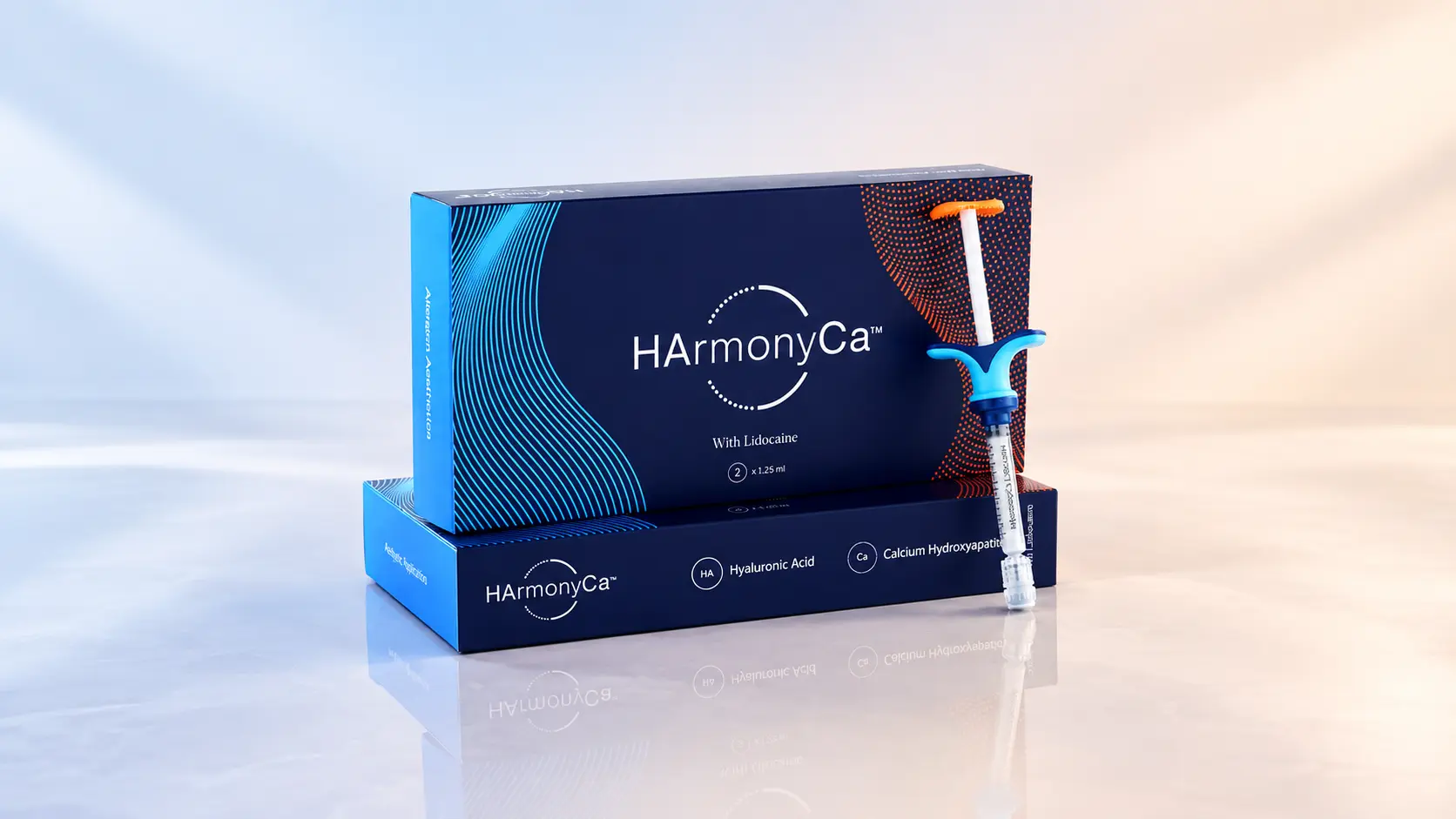
Hyaluronic acid (HA) fillers restore lost facial volume, soften deep folds, and enhance contours — the cheeks, temples, jawline, and under-eyes are common areas. Hyaluronic acid is a substance naturally present in the skin; injectable HA attracts water molecules, plumping the treated area. Results are visible immediately and can be dissolved if needed, making this a highly adjustable option. [4]
Energy-based devices (lasers, radiofrequency, HIFU)
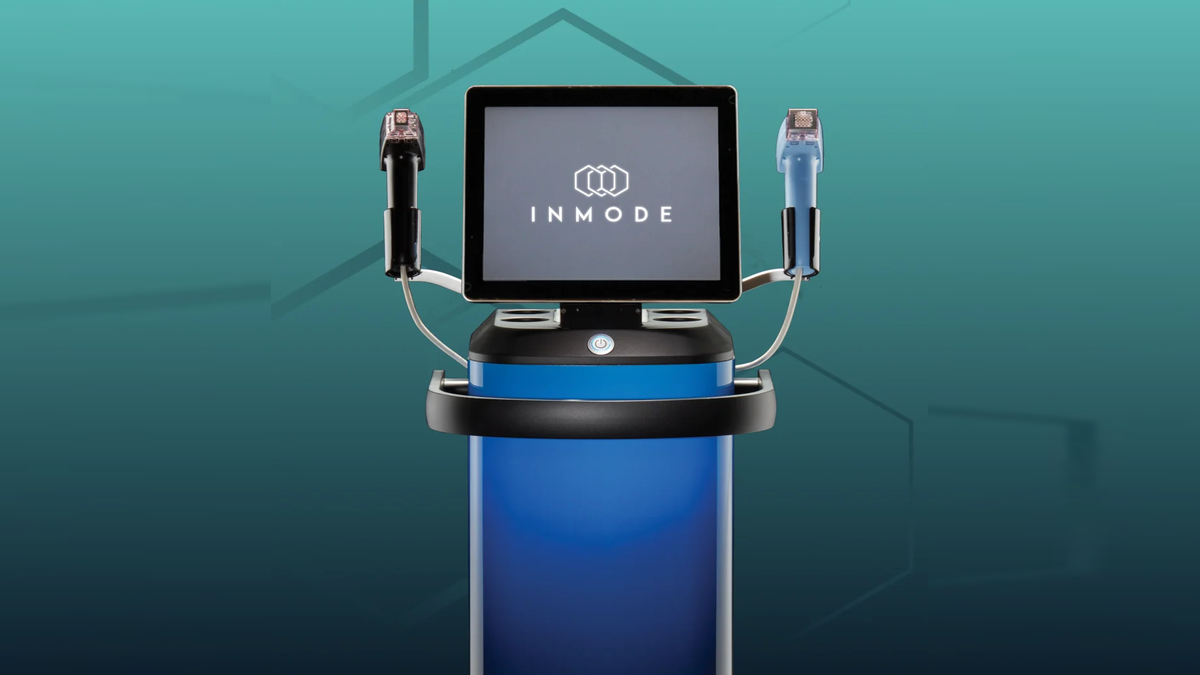
Laser resurfacing — including fractional ablative and non-ablative lasers — creates controlled micro-injuries in the dermis, triggering the body’s wound-healing response and new collagen formation. Radiofrequency (RF) and high-intensity focused ultrasound (HIFU) deliver thermal energy deeper into the skin and supporting structures, stimulating collagen contraction and gradual tightening — a popular option for skin laxity without surgery.
Platelet-Rich Plasma (PRP)
PRP therapy uses a small sample of your own blood, processed to concentrate the growth-factor-rich platelet fraction, which is then re-injected into the skin. The growth factors stimulate fibroblasts — the cells responsible for collagen production — and support tissue repair. PRP is often used as an adjunct to other anti-ageing procedures to enhance and prolong results.
Microneedling
Microneedling creates fine, controlled channels in the skin surface using a sterile device with tiny needles. This initiates a collagen induction response and also enhances the penetration of topical actives. It is particularly useful for fine lines, skin texture, and early laxity.
Your Session Plan and Comfort
How Long Each Session Takes
Session duration varies by treatment: topical consultations are brief, while procedures such as laser resurfacing or a combination injectable session may take 30–90 minutes including preparation. Chemical peels typically take 30–45 minutes. At The Bombay Skin Clinic, every session begins with a skin assessment and a review of your concerns before any procedure begins.
How Many Sessions You May Need
Anti-ageing treatment is rarely a single-session affair. Most plans are structured as a course:
- Topical prescription treatment is ongoing — results build over weeks to months, and maintenance is required to sustain them.
- Chemical peels are typically delivered in a series of 4–6 sessions, spaced 3–4 weeks apart, for best results.
- Botulinum toxin typically requires repeat sessions every 3–6 months to maintain the effect, as muscle activity gradually returns.
- Dermal fillers may last 6–18 months depending on the product and the area treated; a touch-up is usually planned at or beyond the 12-month mark.
- Laser or RF/HIFU sessions vary by device and skin concern — a dermatologist will advise on the recommended number and interval after assessing your skin.
Numbing cream is routinely applied before injectable and laser procedures to keep you comfortable throughout. Most patients find the experience manageable and are able to return to normal activities the same day or within 1–2 days, depending on the depth of treatment.
Safety and Contraindications
Anti-ageing treatments performed by a qualified dermatologist, using approved products and properly maintained equipment, are well-tolerated for most patients. That said, every procedure has a profile of possible side effects and situations where it should be deferred.
- Temporary redness, swelling, or mild sensitivity after peels, laser, microneedling, or injectables is common and usually resolves within a few hours to a few days.
- Post-inflammatory hyperpigmentation (PIH) is a risk for any energy-based or ablative treatment on darker Indian skin tones; choosing an experienced dermatologist with appropriate device settings significantly reduces this risk. Learn more about our pigmentation treatments.
- Bruising at injection sites is possible with fillers and PRP; it generally resolves within a week.
- Contraindications to defer include: active skin infections, open facial wounds, a history of keloid scarring (for ablative treatments), certain autoimmune conditions, pregnancy and breastfeeding, and specific medications. Your dermatologist will review your history in detail before recommending any procedure.
- A thorough consultation and skin assessment is essential before beginning any anti-ageing programme — suitability is always determined individually.
Results and Realistic Timelines
The timeline for results depends heavily on the treatment type and your skin’s individual response. Many patients notice visible improvements within 4–8 weeks of starting a topical retinoid regimen; the full benefit of collagen remodelling from chemical peels or laser sessions typically emerges over 3–6 months as new collagen matures. [3]
Injectable neurotoxin results are usually visible within 3–7 days and peak at 2 weeks. Dermal filler results are visible immediately, though some initial swelling settles over 1–2 weeks to reveal the true outcome.
It is important to approach anti-ageing treatment as a long-term investment rather than a quick fix. Results vary between individuals depending on skin type, age, the severity of changes, sun exposure habits, and adherence to a recommended skincare routine. Your dermatologist will set realistic expectations during consultation and monitor your progress across sessions.
Maintenance sessions are typically recommended to sustain results over time. Most patients who follow a structured plan find that their skin looks and feels healthier at a 12-month review than at the start of treatment.
How It Compares to Related Treatments
Anti-ageing treatment vs. a single procedure (e.g. Botox only)
A comprehensive anti-ageing plan addresses multiple concerns simultaneously — skin texture, volume, laxity, and tone — whereas a single injectable or peel targets one aspect. For patients with multiple concerns, a combined approach usually delivers more balanced, natural-looking results.
Anti-ageing treatment vs. surgical facelift
A surgical facelift repositions deeper facial structures and removes excess skin, producing dramatic changes that can last a decade. Anti-ageing treatments are non-surgical, require no general anaesthesia, and involve little to no downtime — but they work best for mild to moderate ageing changes. For advanced laxity, a dermatologist may discuss whether a surgical referral is more appropriate.
Anti-ageing treatment vs. home skincare alone
Over-the-counter products can support skin health and slow the rate of visible ageing, but their concentrations of active ingredients are limited by regulation and penetration barriers. Prescription topicals and in-clinic procedures work at deeper levels of the skin and produce more measurable changes, particularly for established lines, volume loss, and significant photoageing.
Why Choose The Bombay Skin Clinic
At The Bombay Skin Clinic, anti-ageing treatment is always led by qualified, experienced dermatologists — never delegated to unsupervised staff. Every patient begins with a thorough skin assessment that considers their skin type, ageing pattern, medical history, and personal goals before any treatment is recommended.
Our clinic uses advanced, well-maintained technology for energy-based procedures, and our injectable protocols follow strict safety and hygiene standards — including single-use sterile needles and products sourced from authorised, quality-assured suppliers. We do not apply a one-size-fits-all protocol; every plan is personalised, paced appropriately, and adjusted at each review based on how your skin is responding.
We understand the specific needs of Mumbai patients — including high UV exposure, humidity, pollution, hard water, and the particular considerations of South Asian skin tones — and tailor our protocols accordingly. Our team is happy to answer every question you have before, during, and after your treatment programme.
To begin your assessment, book a consultation at our Mumbai clinic, WhatsApp us, or call to speak with our team.
Frequently Asked Questions
At what age should I start anti-ageing treatment?
There is no single right answer — it depends on your skin concerns, not your age. Many patients begin preventive treatments such as prescription retinoids and sun protection in their late twenties, while injectable or energy-based procedures are more commonly started in the mid-thirties or forties when visible changes appear. A dermatologist consultation is the best way to determine what is appropriate for your skin now.
Is anti-ageing treatment safe for darker Indian skin tones?
Yes, most procedures can be safely performed on Indian skin tones when delivered by an experienced dermatologist using appropriate settings and products. The key risk to manage on darker skin is post-inflammatory hyperpigmentation — an experienced team will assess your skin type, choose the right treatment parameters, and guide you on sun protection to minimise this risk.
How long do results from anti-ageing treatments last?
It varies by procedure. Botulinum toxin typically lasts 3–6 months; dermal fillers may last 6–18 months; the benefits of laser and RF procedures can extend for 12–24 months with proper maintenance; topical prescription treatments require ongoing use. Your dermatologist will outline a maintenance plan to sustain your results over time.
Will anti-ageing treatments make my face look unnatural or “frozen”?
When planned and performed by a skilled dermatologist, the goal is always a natural, refreshed result — not a frozen or overfilled appearance. Treatments are designed to complement your features and movement, not erase them. Starting conservatively and reviewing results before adding further treatment helps ensure the outcome remains balanced.
Can I combine multiple anti-ageing treatments at the same time?
In many cases, yes — combining treatments (for example, pairing chemical peels with PRP, or fillers with neurotoxin) can enhance overall outcomes. However, the sequencing and combination of procedures must be planned carefully by your dermatologist to avoid overstimulating the skin or creating unwanted interactions. This is discussed in detail during your consultation.
How many sessions will I need before I see a difference?
This depends on the treatment and the concern being addressed. Some results — such as those from dermal fillers or botulinum toxin — are visible within days. Collagen-stimulating treatments such as laser resurfacing, microneedling, or chemical peels show progressive improvements over 3–6 months across a series of sessions. Your dermatologist will give you a realistic timeline based on your individual treatment plan.
References
- American Academy of Dermatology Association. Anti-aging skin care. AAD. https://www.aad.org/public/everyday-care/skin-care-basics/anti-aging
- Rittié L, Fisher GJ. Photoageing: mechanism, prevention and therapy. British Journal of Dermatology. PubMed. https://pubmed.ncbi.nlm.nih.gov/17711532/
- Mukherjee S, Date A, Patravale V, et al. Retinoids in the treatment of skin aging: an overview of clinical efficacy and safety. PMC/NIH. https://pmc.ncbi.nlm.nih.gov/articles/PMC3583892/
- American Academy of Dermatology Association. Injectable fillers: what to know. AAD. https://www.aad.org/public/cosmetic/fillers-volumizers/about-fillers
- Varani J, Dame MK, Rittié L, et al. Molecular mechanisms of dermal aging and antiaging approaches. PMC/NIH. https://pmc.ncbi.nlm.nih.gov/articles/PMC6540032/
Dr. Batul Patel (Dermatologist)
Medical Director – The Bombay Skin Clinic
Dr. Batul Patel is an award winning celebrity dermatologist, practising since 20 years. Honoured as “Dermatologist of the Year 2026” by Financial Express, “Dermatologist of the Year 2023” by The Economic Times and Jury Member at Vogue Beauty & Wellness Honours 2026. View profile