

MEDICALLY REVIEWED BY
Dr. Batul Patel (Dermatologist)
Medical Director – The Bombay Skin Clinic
Dr. Batul Patel is an award-winning celebrity dermatologist with over 20 years of experience. She was honoured as “Dermatologist of the Year 2026” by Financial Express and “Dermatologist of the Year 2023” by The Economic Times. She also served as a jury member at the Vogue Beauty & Wellness Honours 2026. View profile
What Is PRF | PRF Benefits | Good Candidate | How It Works | PRF Results
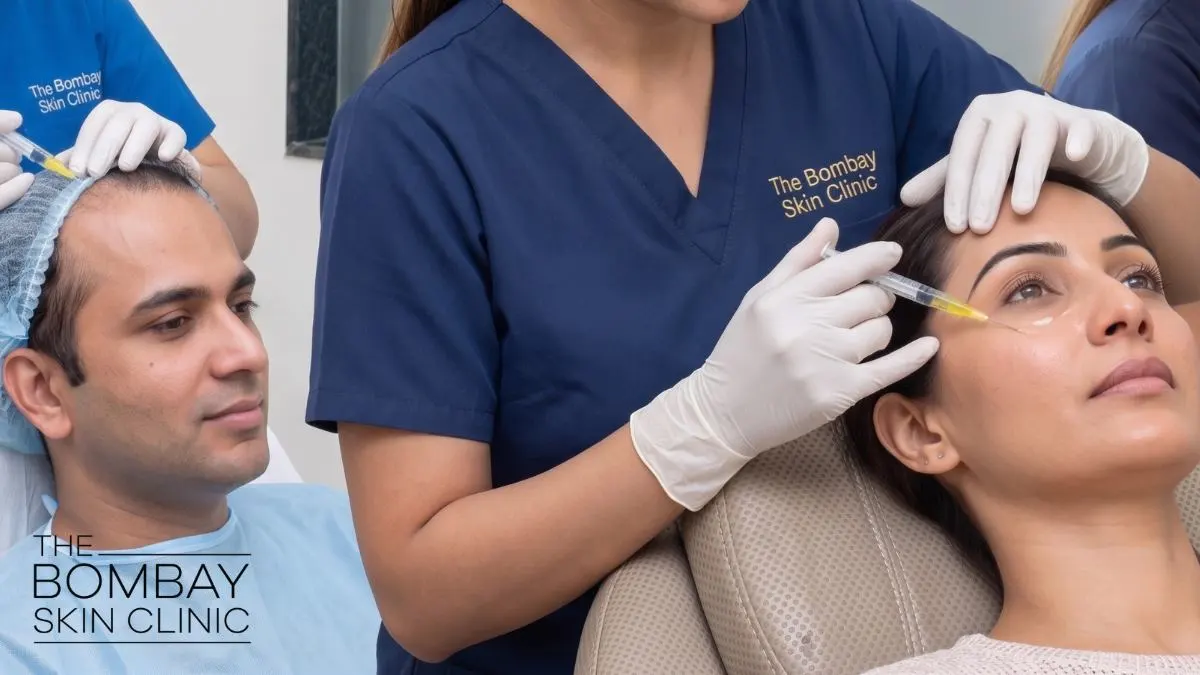
If you have been researching natural regenerative treatments for hair loss, skin ageing, or under-eye hollowness, Platelet-Rich Fibrin (PRF) treatment in Mumbai is likely already on your radar. PRF is one of the most significant advances in aesthetic dermatology in recent years — a wholly autologous therapy that uses your own blood to trigger your skin and scalp’s natural repair processes. At The Bombay Skin Clinic, our dermatologists use PRF as part of carefully personalised treatment protocols designed around each patient’s unique concerns.
This guide explains what PRF is, how it works, what the treatment involves, and what realistic outcomes look like — so you can walk into your consultation feeling informed and confident.
What Is PRF Treatment?
PRF stands for Platelet-Rich Fibrin. It is a second-generation autologous platelet concentrate derived from your own blood, containing platelets, white blood cells (leucocytes), and a fibrin scaffold — all without any chemical additives or anticoagulants. Because everything in PRF comes from your body, the risk of an allergic or adverse reaction is exceptionally low. [1]
Unlike its predecessor Platelet-Rich Plasma (PRP), PRF is processed at a lower centrifuge speed, which preserves more of the biologically active components — particularly stem cells, growth factors such as PDGF, VEGF, TGF-β, and IGF-1, and a dense fibrin matrix that acts as a slow-release reservoir. This slow, sustained release of growth factors over 7–14 days is one of the key biological advantages of PRF over earlier platelet concentrate methods. [2] PRF is used in aesthetic dermatology to address hair thinning and hair loss, skin laxity and fine lines, uneven skin texture, and under-eye hollowness and crepiness.
Key Advantages of PRF Treatment
- Wholly natural and additive-free. PRF is derived entirely from your own blood with no anticoagulants, activators, or synthetic fillers — making it a genuinely autologous, biocompatible treatment.
- Sustained growth factor release. The fibrin matrix releases growth factors gradually over one to two weeks, supporting longer tissue remodelling than treatments that deliver an immediate burst. [2]
- Versatile applications. The same core procedure can be adapted for scalp injections (hair restoration), facial skin rejuvenation, and the delicate under-eye area — allowing a dermatologist to address multiple concerns in one sitting.
- Minimal downtime. Most patients return to their daily routine the same day or the day after treatment, making PRF a practical option for Mumbai’s working population.
- Strong safety profile. Autologous origin eliminates the risk of disease transmission or allergic reactions. Adverse effects reported in clinical studies are minor and self-limited. [3]
Who Is It For? Eligibility at a Glance
PRF is not a one-size-fits-all solution. A thorough dermatologist assessment is always the first step — it helps determine whether PRF is appropriate for your concern, and whether it should be used alone or combined with another treatment.
You May Be a Good Candidate If
- You are experiencing early-to-moderate androgenetic alopecia (pattern hair loss) in men or women and still have active hair follicles in the treatment area.
- You have fine lines, mild skin laxity, or loss of glow due to ageing, sun exposure, or Mumbai’s high pollution and humidity levels.
- You are dealing with under-eye darkness, thin skin, or subtle volume loss in the tear-trough area.
- You prefer a natural, additive-free approach to skin or hair concerns and want to avoid synthetic fillers.
- You are in good general health with no active infections at the treatment site.
It May Not Be Right for You If
- You have a blood disorder, platelet dysfunction, or are on long-term anticoagulant or blood-thinning medications.
- You are pregnant or breastfeeding.
- You have an active infection, inflammation, or open wound at the intended treatment site.
- You have advanced or complete hair loss with no remaining active follicles — PRF supports existing follicles rather than creating new ones from scratch.
- You have been recently diagnosed with a systemic illness or are undergoing chemotherapy or radiotherapy.
Your dermatologist will review your medical history carefully before recommending PRF. If PRF is not right for you, alternative evidence-based options will be suggested.
How PRF Treatment Works
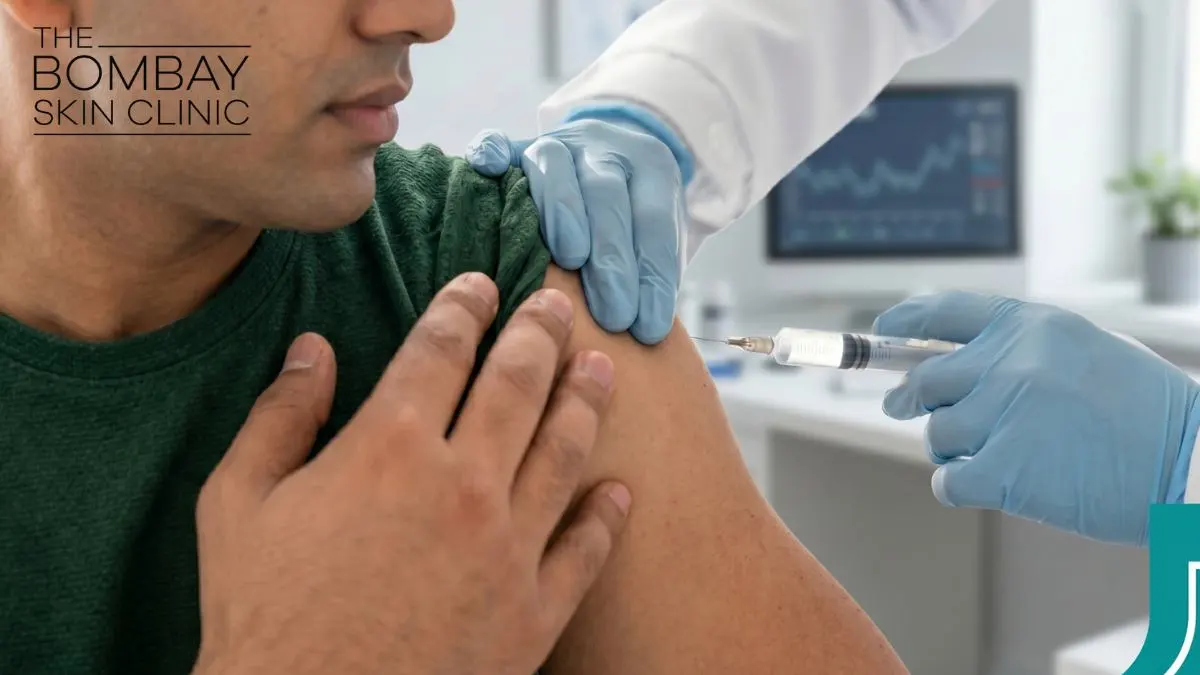
The science behind PRF begins with your blood. A small sample — typically 10–20 ml — is drawn from a vein in your arm, just as it would be for a routine blood test. The sample is placed in a specialised tube and spun in a centrifuge at a deliberately low speed, without any added anticoagulants. [1]
This slower spin separates the blood into layers while preserving more of the biologically active cells than standard PRP processing. The result is a gel-like concentrate rich in platelets, leucocytes, and fibrin — the three components that drive tissue regeneration.
When injected into the scalp, the platelets release growth factors that signal dormant hair follicles to re-enter the active growth phase (anagen), improve microcirculation around follicles, and reduce follicular miniaturisation that characterises androgenetic alopecia. [4] Think of it as sending a detailed set of repair instructions directly to the cells that grow your hair.
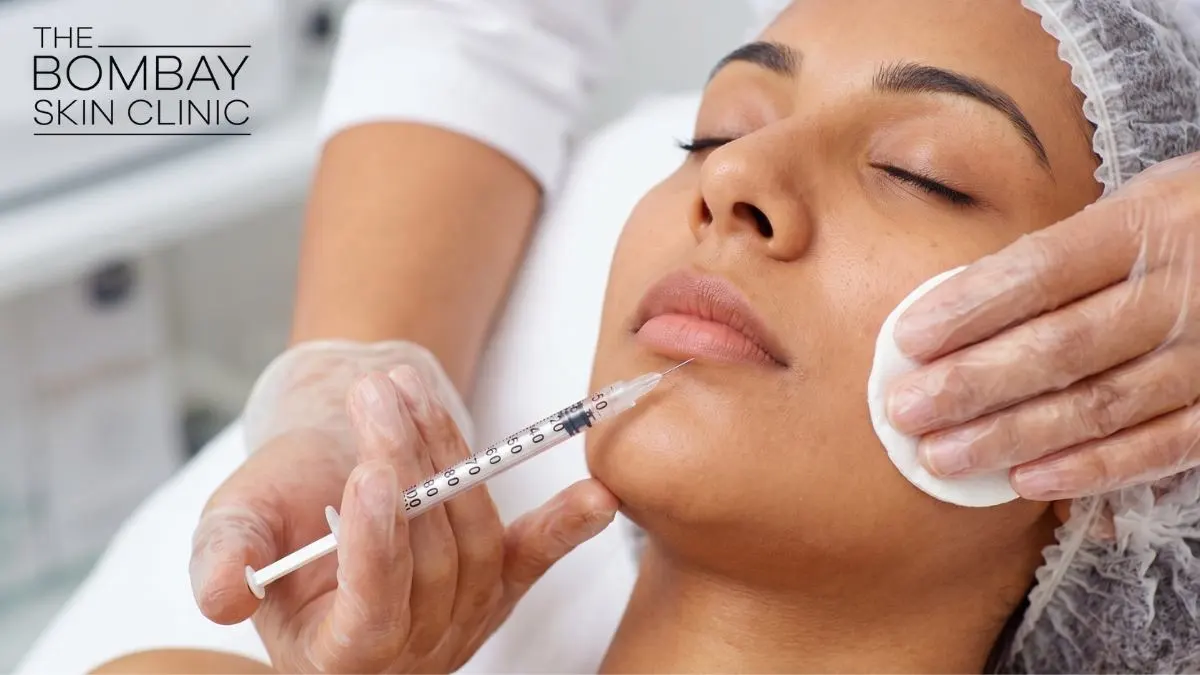
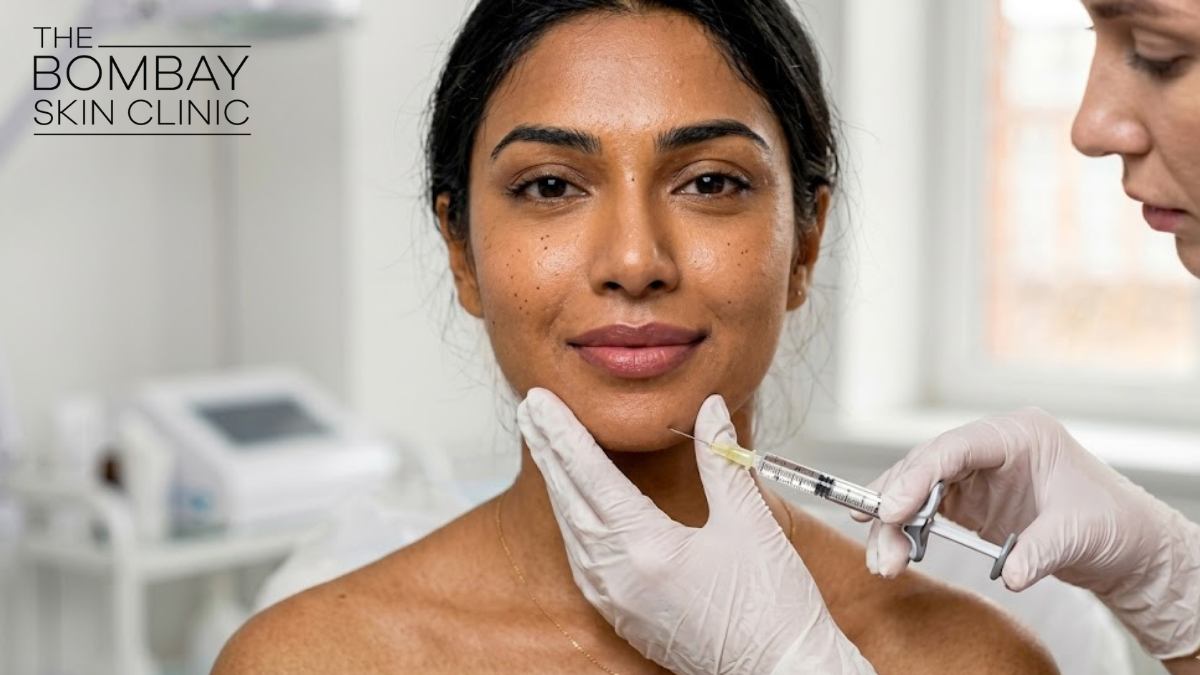
When used for facial skin or the under-eye area, PRF is injected superficially into the dermis or placed in the tear-trough region. The growth factors stimulate fibroblast activity, increasing collagen and elastin production, improving skin hydration, and softening fine lines. The fibrin scaffold also provides temporary structural support that fills subtle hollows naturally. [2]
Because PRF comes entirely from your own blood, your body recognises and responds to it without mounting an immune reaction. The results unfold gradually as new collagen matures — a process that mirrors your body’s own healing timeline.
Your Session Plan and Comfort
How Long Each Session Takes
A single PRF session at our clinic typically takes 45 to 60 minutes from start to finish. This includes the blood draw, centrifugation (which takes approximately 10–12 minutes), preparation of the PRF concentrate, and the injection procedure itself.
For scalp treatments, a topical numbing cream is applied before injections to keep you comfortable. For facial PRF, a topical anaesthetic is used, and the needles employed are very fine — many patients describe the sensation as mild pressure rather than pain. You are awake and relaxed throughout. There is no general anaesthesia and no sedation involved.
How Many Sessions You May Need
The number of sessions recommended depends on your specific concern:
- Hair loss (androgenetic alopecia): Most patients benefit from 3 to 4 sessions spaced 4 weeks apart, followed by a maintenance session every 6 to 12 months. Clinical studies show progressive improvement in hair follicle count and hair shaft thickness at 3- and 6-month follow-up. [4]
- Skin rejuvenation (face, neck, décolletage): A typical course involves 2 to 3 sessions spaced 4 to 6 weeks apart. Some patients choose a single session as an annual refresh.
- Under-eye treatment: Usually 2 to 3 sessions are recommended, spaced 4 to 6 weeks apart.
Your dermatologist will propose the most appropriate schedule after assessing the severity of your concern and your skin or scalp condition. Maintenance is a key part of keeping results looking their best over time.
Most patients experience mild redness, minor swelling, or tiny pinprick marks at the injection sites. These typically resolve within 24 to 48 hours. You can apply a gentle moisturiser and SPF, but we advise avoiding vigorous exercise, swimming, and direct sun exposure for 48 hours post-treatment.
Safety and Contraindications
PRF has an excellent safety profile, and serious adverse events are rare. Because the concentrate is derived entirely from your own blood without any additives, there is no risk of an allergic reaction and no disease-transmission risk. [3]
Minor side effects that patients may experience include:
- Temporary redness or mild swelling at injection sites, resolving within 24–48 hours
- Mild tenderness or a sensation of tightness on the scalp or face for 1–2 days
- Small bruises at the blood draw site or injection points, which typically fade within a few days
Situations where PRF should be avoided or deferred include:
- Active skin or scalp infection, inflammation, or open wound
- Blood disorders, platelet dysfunction, or anticoagulant therapy
- Pregnancy or breastfeeding
- Recent fever or systemic illness
- Chemotherapy, radiotherapy, or certain immunosuppressive medications
- Severe anaemia or very low platelet count on blood testing
A pre-treatment assessment with your dermatologist is essential. At The Bombay Skin Clinic, our team reviews your medical history and, where needed, requests a blood count before proceeding — ensuring that PRF is both safe and likely to be effective for you.
Results and Realistic Timelines
PRF delivers gradual, natural-looking results — they build as your body’s own collagen remodelling and follicular regeneration process unfolds. Most patients notice initial changes within 4 to 6 weeks of their first session, with more significant improvements becoming visible after a full course.
For hair loss, clinical evidence suggests meaningful improvements in hair density, hair shaft thickness, and patient-reported satisfaction at 3 and 6 months following a course of PRF injections. [4] Many patients also report a reduction in daily hair shedding within the first 4–6 weeks. Results are best maintained with periodic top-up sessions.
For skin rejuvenation, many patients notice improved skin texture, hydration, and a natural glow within 4–6 weeks. Fine lines tend to soften progressively over 2–3 months as new collagen matures. [2] The under-eye area may look refreshed and slightly less hollow as the PRF gel integrates naturally.
Important points to keep in mind:
- Results vary from person to person depending on age, general health, severity of hair loss or skin concern, and lifestyle factors.
- PRF is not a replacement for medical management of conditions like advanced alopecia or significant volume loss — your dermatologist will discuss combination approaches where appropriate.
- Maintenance sessions are usually recommended to sustain improvement, particularly for hair loss, where the underlying genetic or hormonal cause continues over time.
- Results are gradual and progressive, not immediate — this is a feature of the biological process, not a limitation.
How PRF Compares to Related Treatments
PRF vs PRP (Platelet-Rich Plasma): PRP is a first-generation autologous platelet concentrate that has been used in dermatology for over two decades. PRF differs in that it is processed without anticoagulants, at a lower spin speed, resulting in a fibrin-rich gel that contains more leucocytes and stem cells. Research suggests that PRF may induce greater collagen stimulation and provides a sustained, slow release of growth factors compared to PRP’s more immediate burst — though both are effective and the choice between them depends on the clinical context. [2, 5] A 2024 systematic review found PRF favourable for periorbital rejuvenation, though evidence for clear superiority of one over the other continues to evolve.
PRF vs Dermal Fillers (for under-eye): Hyaluronic acid fillers deliver immediate volume in the tear-trough area, whereas PRF offers a more gradual, biologically driven improvement in skin quality and subtle volume. Some patients prefer PRF for its natural, additive-free character; others prefer fillers for immediate correction. In some cases, a combination approach may be recommended — this is best decided at a one-to-one consultation.
PRF vs Minoxidil or Finasteride (for hair loss): Medical therapy remains the primary evidence-based approach for androgenetic alopecia. PRF is used as an adjunct or supportive option alongside medical management — it does not replace prescribed medication but may enhance and complement it. Your dermatologist will advise on the most appropriate combination for your degree of hair loss.
Why Choose The Bombay Skin Clinic
At The Bombay Skin Clinic, PRF treatment is performed exclusively by qualified dermatologists — not technicians or beauticians. This matters because accurate assessment, precise injection technique, and correct centrifugation protocol all determine the quality of the PRF concentrate and the outcomes you experience.
Every PRF session at our clinic is carried out under the supervision of a trained medical dermatologist who has assessed your concern, reviewed your suitability, and designed your treatment plan. There is no templated, one-size-fits-all approach here.
PRF quality depends heavily on centrifuge speed, time, and tube type. Our clinic uses calibrated, medical-grade centrifugation equipment and follows protocols aligned with current clinical evidence — so you receive a concentrate that is biologically active and consistent.
Whether you are addressing early hair thinning, facial ageing, or under-eye changes, your treatment plan is designed for your specific concern. Mumbai’s environmental factors — high humidity, UV exposure, hard water, and urban pollution — all influence how your skin and scalp behave, and our team accounts for these when designing your plan.
All equipment is sterile and single-use where applicable, and our clinic maintains stringent infection-control standards throughout the procedure.
To book a consultation at our Mumbai clinic, speak with our team via WhatsApp, call us directly, or book through thebombayskinclinic.com.
Frequently Asked Questions
Is PRF treatment painful?
Most patients find the procedure very tolerable. A topical numbing cream is applied to the treatment area before injections begin, which significantly reduces discomfort. The needles used are very fine, and the injections are quick. Some patients describe mild pressure or a brief stinging sensation, but frank pain is uncommon. If you are anxious, let your dermatologist know — additional comfort measures can be arranged.
How is PRF different from PRP?
Both PRF and PRP use your own blood, but PRF is processed at a slower centrifuge speed without anticoagulants, which results in a fibrin-rich gel containing more leucocytes and stem cells than standard PRP. This fibrin matrix allows for a slower, sustained release of growth factors over 7–14 days, compared to PRP’s more immediate release. In practical terms, PRF is a more refined, additive-free concentrate that many clinicians favour for skin rejuvenation and hair restoration. Learn more about PRP treatment at our clinic. [2]
How many PRF sessions will I need for hair loss?
Most patients with androgenetic alopecia benefit from 3 to 4 sessions spaced 4 weeks apart as their initial course. Improvement continues to develop over the following months. A maintenance session every 6–12 months is typically recommended to sustain the results, as the underlying cause of hair loss is ongoing. Your dermatologist will advise on the exact plan based on your assessment.
Is there any downtime after PRF treatment?
Downtime is minimal. You may notice mild redness, pinpoint marks, or minor swelling at injection sites for 24–48 hours. Most patients return to normal daily activities the same day. We advise avoiding vigorous exercise, swimming, and direct sun exposure for 48 hours. Applying a gentle moisturiser and broad-spectrum SPF is recommended from the following morning.
Who is NOT a suitable candidate for PRF?
PRF is not suitable for people with active infections at the treatment site, blood disorders, or those on anticoagulant medications. It is also deferred during pregnancy and breastfeeding, and in patients undergoing chemotherapy or radiotherapy. Advanced hair loss where follicles are no longer active is unlikely to respond. A thorough pre-treatment assessment at the clinic will determine your suitability.
How soon will I see results from PRF?
Results appear gradually. For skin, many patients notice improved texture and glow within 4–6 weeks, with further improvement at 2–3 months as new collagen matures. For hair, progressive improvement in density and shedding reduction is typically observed from 4–6 weeks onwards, with significant results visible at 3–6 months. [3, 4] Individual outcomes vary, and your dermatologist will set realistic expectations based on your specific assessment.
References
- Miron RJ, Zucchelli G, Pikos MA, et al. Use of platelet-rich fibrin in regenerative dentistry: a systematic review. Clinical Oral Investigations. PubMed. https://pubmed.ncbi.nlm.nih.gov/28409359/
- Pavlovic V, Ciric M, Jovanovic V, Stojanovic P. Autologous platelet concentrates for facial rejuvenation. Open Medicine. PMC. https://www.ncbi.nlm.nih.gov/pmc/articles/PMC9444188/
- NIH/NLM. Effectiveness of Injectable Platelet-Rich Fibrin Therapy in Alopecia and Facial Rejuvenation: A Systematic Review. PMC. https://www.ncbi.nlm.nih.gov/pmc/articles/PMC11247247/
- Varothai S, Bergfeld WF. Platelet-rich fibrin: A review of its role as a new treatment in androgenetic alopecia. PubMed. https://pubmed.ncbi.nlm.nih.gov/38641925/
- PMC. A Systematic Review of Platelet-Rich Plasma Versus Platelet-Rich Fibrin for Periorbital Rejuvenation. PMC. https://www.ncbi.nlm.nih.gov/pmc/articles/PMC12587466/
MEDICALLY REVIEWED BY
Dr. Batul Patel (Dermatologist)
Medical Director – The Bombay Skin Clinic
Dr. Batul Patel is an award-winning celebrity dermatologist with over 20 years of experience. She was honoured as “Dermatologist of the Year 2026” by Financial Express and “Dermatologist of the Year 2023” by The Economic Times. She also served as a jury member at the Vogue Beauty & Wellness Honours 2026. View profile