

Dr. Batul Patel (Dermatologist)
Medical Director – The Bombay Skin Clinic
Dr. Batul Patel is an award winning certified dermatologist, honoured as the “Dermatologist of the Year 2023” at the national level by The Economic Times. View profile
Nasolabial folds are the lines that run from the sides of the nose towards the corners of the mouth. They are also called smile lines or laugh lines. These folds are normal, but they can become deeper with age, facial movement, sun exposure, weight changes and mid-face volume loss.
At The Bombay Skin Clinic, we approach nasolabial fold treatment as facial balancing. The aim is to soften the fold, support the surrounding structure and keep your expression natural, not to change the way your face looks.
What are nasolabial folds?
Nasolabial folds are natural creases that start near the nostrils and move down towards the mouth. They are more visible when you smile, laugh or speak. In some people, they stay mild. In others, they look deeper even when the face is relaxed.
They are not a medical disease. Treatment is usually considered when the folds make the face look tired, heavy or older than the person feels.
Why do nasolabial folds become deeper with age?
Nasolabial folds deepen because many facial changes happen together. Skin loses elasticity. The cheeks may lose volume. Facial fat pads can shift downwards. Bone support also changes with time.
In Mumbai, sun exposure, pollution, stress, irregular sleep, smoking and weight changes may add to visible ageing. This is why we assess the face as a whole instead of treating only the line.
Medical sources describe dermal fillers as one option used to restore lost fullness and soften facial lines, including nasolabial folds. However, the right plan depends on whether your main concern is volume loss, skin laxity, fold depth or facial harmony.
What are the advantages of nasolabial fold treatment?
Nasolabial fold treatment can help people who want visible but balanced improvement without surgery. The aim is softening, not complete removal of every line.
- It can soften smile lines and laugh lines.
- It can improve mid-face support when cheek volume loss is contributing to the fold.
- It can make the lower face look less heavy in suitable patients.
- It is usually an in-clinic procedure with limited downtime.
- It can be customised by age, facial shape, skin quality and comfort level.
A good result should look rested and natural, not overfilled.
Who is a good candidate for nasolabial fold treatment?
You may be a suitable candidate if your smile lines have become deeper and you want a non-surgical option after a dermatologist-led assessment.
- You have mild to moderate nasolabial folds visible at rest.
- Your cheeks look slightly flat or less supported.
- You want improvement while keeping natural facial movement.
- You understand that results vary from person to person.
- You are comfortable with a realistic, assessment-based plan.
It may also suit people who feel their face looks tired in work meetings, social events or daily interactions, even when they feel well-rested.
Who may not be suitable for nasolabial fold treatment?
Nasolabial fold treatment is not suitable for everyone. Some people may need to delay treatment or choose another option.
- People with active skin infection, rash, swelling or inflammation near the area may need to wait.
- People with certain allergies, bleeding disorders or relevant medical conditions need careful assessment.
- Pregnant or breastfeeding women are usually advised to defer elective aesthetic injectables.
- People expecting a completely line-free change may not be ideal candidates.
- People with significant skin laxity may need skin tightening treatments, surgery referral or combination treatment.
If there is any doubt, an in-clinic assessment is the safest next step.
How does nasolabial fold treatment work?
Dermal fillers for nasolabial folds
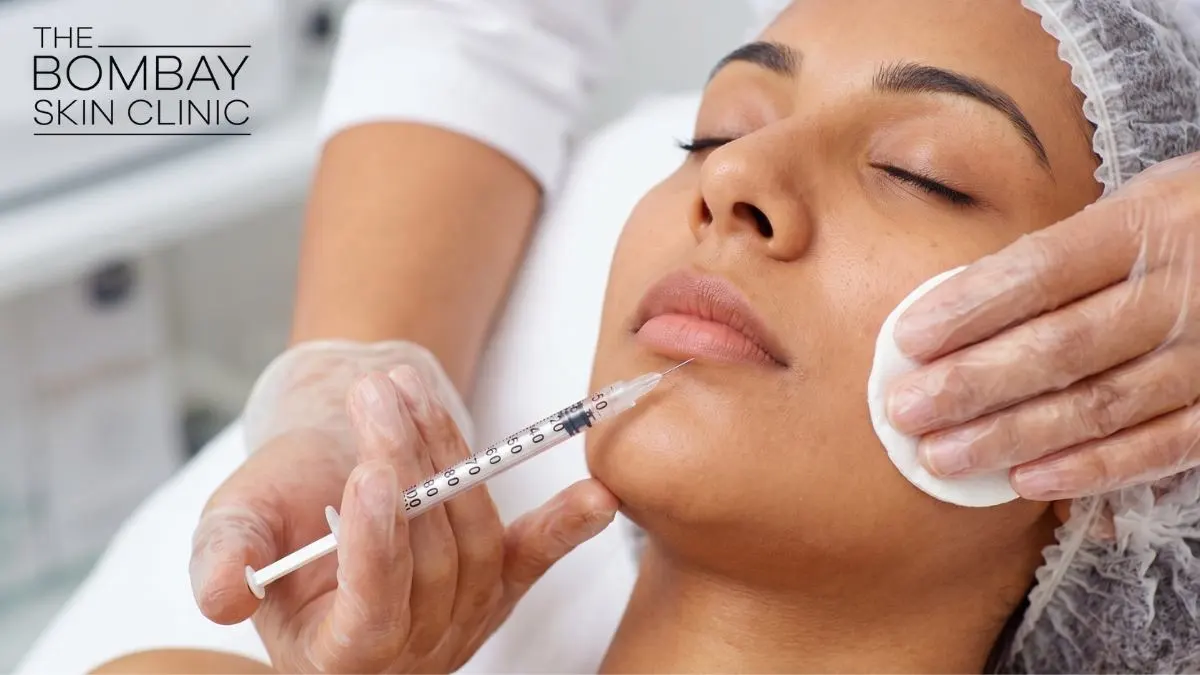
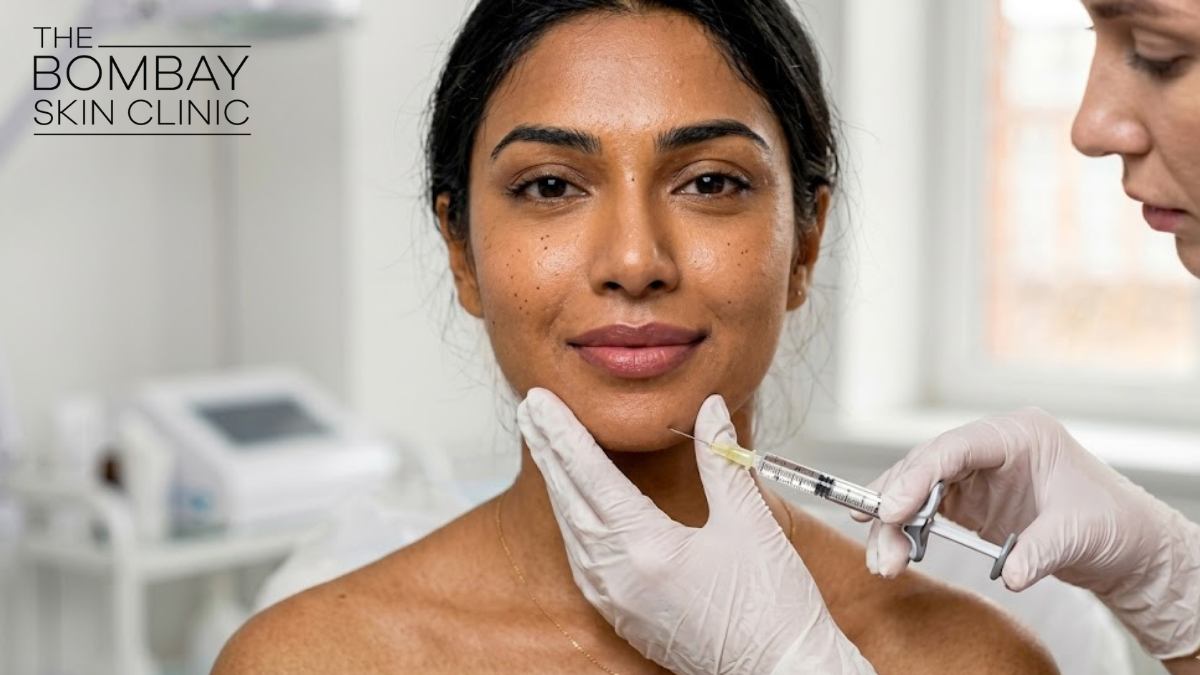
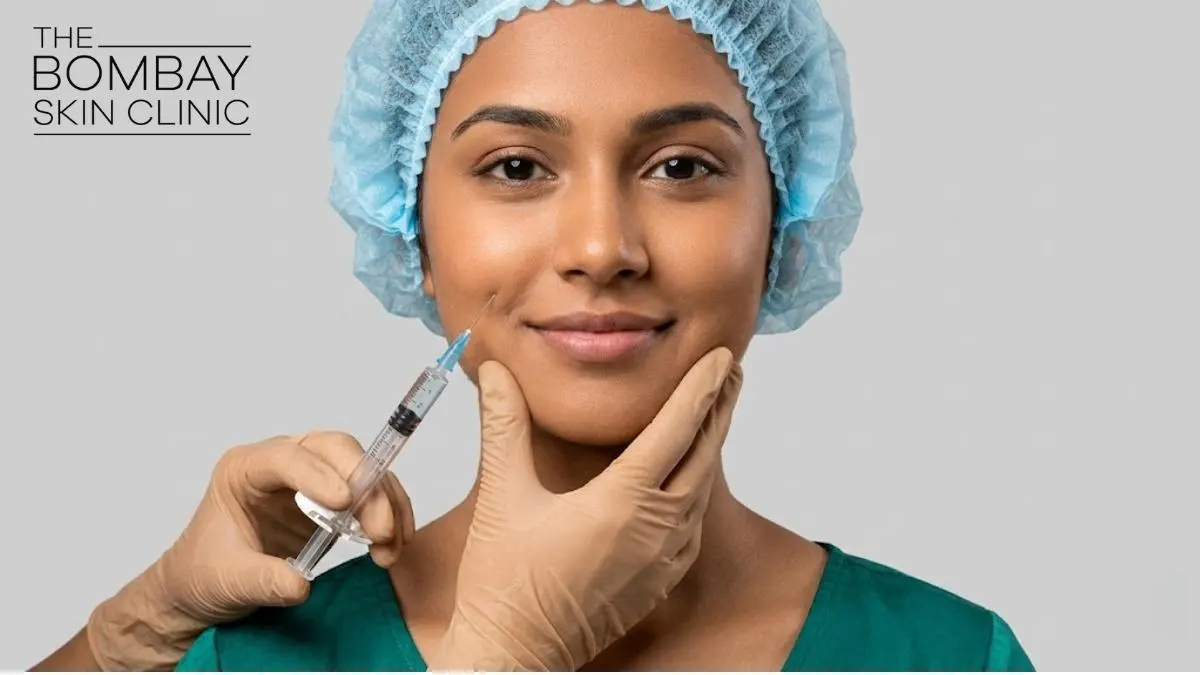
Dermal fillers are injectable medical products used to restore volume, support tissue and soften selected facial lines. Hyaluronic acid fillers are commonly used in aesthetic dermatology. Fillers are medical procedures and should be performed in a medical setting by trained professionals.
When treating nasolabial folds, the filler may be placed directly along the fold or in the cheek area to provide structural support. The approach depends on assessment of the underlying cause.
Cheek support and mid-face volume correction
Many patients ask for smile line treatment, but the cause may start in the cheeks. When cheek support reduces, the skin and soft tissue can sit more heavily over the fold.
Gentle cheek support can sometimes soften the fold more naturally than filling the line alone. This is why facial assessment is more important than asking for a fixed quantity of filler.
Skin tightening and collagen-supportive options
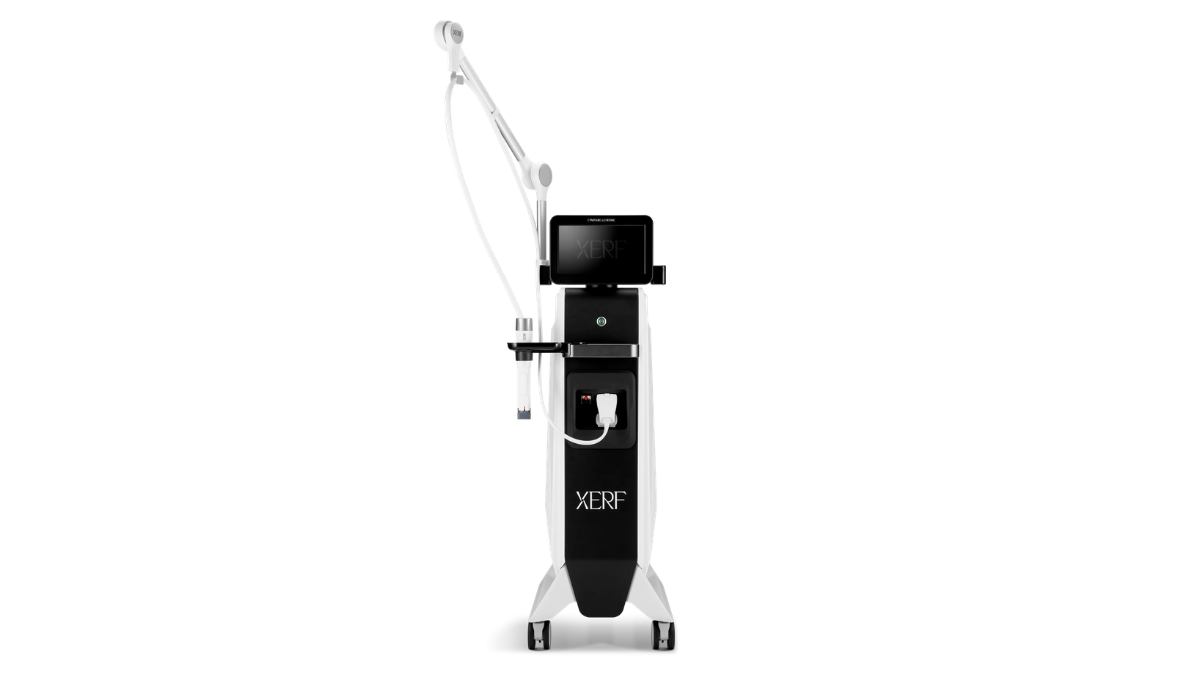
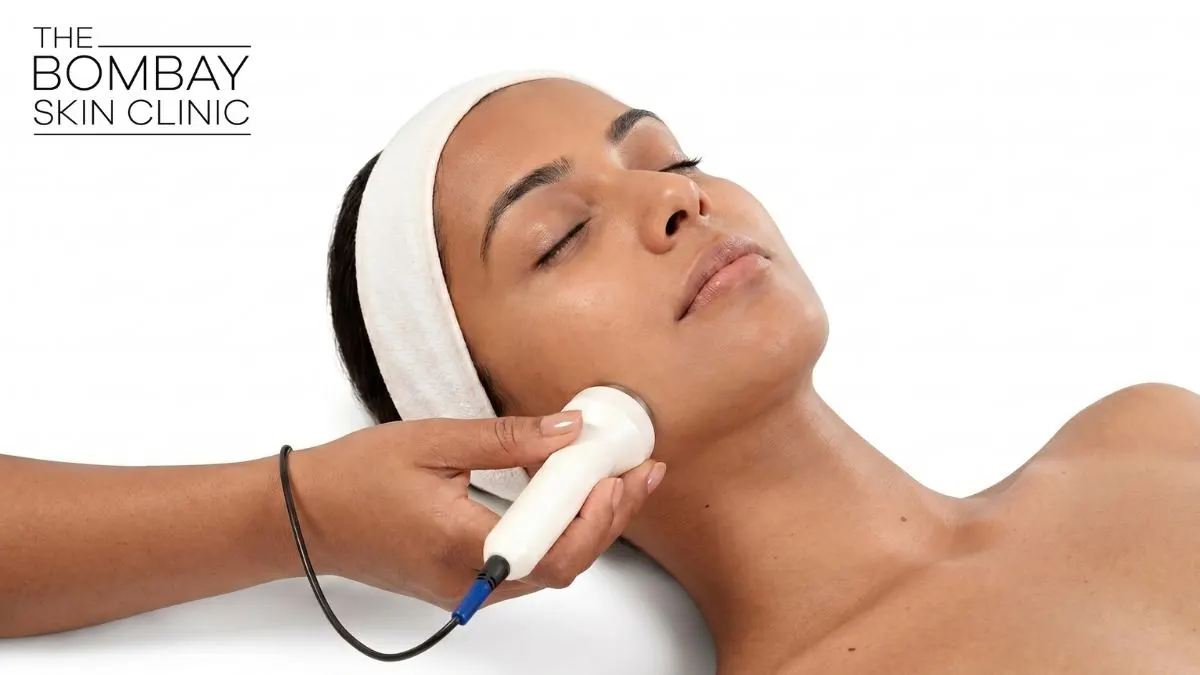
Skin tightening and collagen-supportive treatments may help when skin laxity is a major factor. These may include energy-based devices or skin quality treatments, depending on suitability. Options such as HIFU skin tightening may be considered as part of a staged plan.
When combination treatment may be needed
Combination treatment may be useful when nasolabial folds are caused by both volume loss and skin laxity. A plan may include volume support, skin quality work, collagen support or staged correction.
At The Bombay Skin Clinic, we prefer a conservative plan first. We assess how the face responds before adding any refinement.
What results can you expect after nasolabial fold treatment?
Immediate changes
With dermal fillers, some improvement may be visible soon after treatment. Mild swelling, redness or unevenness may also be seen at first.
The aim is to soften the fold. A completely flat fold may look unnatural when you smile or speak.
Results over the first few weeks
Results usually look more settled once swelling reduces and the product integrates with the tissue. This may take a few days to a few weeks.
If tightening or collagen-supportive treatments are part of the plan, improvement may appear gradually because these options depend on skin response.
How long results may last
Result duration varies. Most clinics note that filler effects may last around six months to a year depending on product type and individual factors. Clinical studies on hyaluronic acid fillers for nasolabial folds have also shown improvement lasting months in many patients.
Movement, metabolism, lifestyle, weight changes, skin quality and treatment area can all affect longevity.
Why results vary from person to person
No two faces age the same way. One person may need only small fold correction. Another may need cheek support. A third may need tightening or a staged plan.
Results also vary because of skin thickness, facial movement, smoking, sun exposure, stress, fitness routines, previous treatments and aftercare.
What is the downtime after nasolabial fold treatment?
Downtime is usually limited, but it depends on the treatment selected. With fillers, temporary redness, swelling, tenderness, small needle marks or bruising may happen.
We also ask about previous fillers, skin treatments, autoimmune history, pregnancy, breastfeeding, recent procedures and upcoming travel.
Why injector skill and anatomy knowledge matter
The nasolabial area is close to important blood vessels and moving facial structures. Safe treatment needs knowledge of anatomy, product behaviour, placement depth, technique and complication protocols.
The American Academy of Dermatology states that filler injections are medical procedures and should not be done in non-medical settings. At The Bombay Skin Clinic, treatment planning is doctor-led, with attention to hygiene, sterile handling, screening and aftercare.
Nasolabial fold treatment options compared
Dermal fillers vs skin tightening
Dermal fillers are often better when the main issue is volume loss or fold depth. Skin tightening may be better when the main issue is laxity or reduced firmness.
These are not always competing options. Fillers give structural support. Tightening aims to improve firmness over time.
Dermal fillers vs thread lift
Thread lifts may be considered when mild lifting is the main concern. Dermal fillers may be preferred when the fold is caused by volume loss or lack of cheek support.
Threads are not a replacement for every patient. Fillers are not a replacement for tightening. At stable weight, deeper folds linked to volume loss or ageing may need in-clinic treatment for visible improvement.
Which treatment is best for nasolabial folds?
The best treatment depends on the cause. Fillers may help when volume loss or fold depth is the main issue. Anti-ageing treatments such as skin tightening may help when laxity is important. Combination treatment may be advised when both volume and firmness need support.
Are dermal fillers good for nasolabial folds?
Dermal fillers can be a good option for selected patients with mild to moderate nasolabial folds. A systematic review of tissue fillers for the nasolabial fold area reported that fillers have been studied in clinical trials for this concern. Suitability depends on anatomy, skin quality, product choice and injector skill.
How long do nasolabial fold fillers last?
Results vary. Many patients may see results lasting several months, and some sources describe filler effects lasting around six months to a year depending on product and patient factors.
What is the cost of nasolabial fold treatment in Mumbai?
At The Bombay Skin Clinic, nasolabial fold treatment may start from around ₹25,000 to ₹35,000 per session as an indicative range. Final pricing depends on assessment, product choice, correction required and whether cheek support or combination treatment is needed.
Is nasolabial fold treatment safe for Indian skin?
Nasolabial fold treatment can be planned safely for Indian skin when performed after proper assessment, in a medical setting, with suitable technique and aftercare. The main safety factors are anatomy, medical history, product choice, hygiene and injector expertise.
For more information about cosmetic injectable treatments in Mumbai, speak to our team for a personalised consultation.
Citation Sources
- American Academy of Dermatology. Fillers: Overview. Available from: https://www.aad.org/public/cosmetic/wrinkles/fillers-overview
- U.S. Food and Drug Administration. Dermal Fillers, Soft Tissue Fillers. Available from: https://www.fda.gov/medical-devices/aesthetic-cosmetic-devices/dermal-fillers-soft-tissue-fillers
- American Academy of Dermatology. Fillers: FAQs. Available from: https://www.aad.org/public/cosmetic/wrinkles/fillers-faqs
- Cleveland Clinic. Nasolabial Folds: Causes and Treatment. Available from: https://my.clevelandclinic.org/health/diseases/23027-nasolabial-folds
- Stefura T, et al. Tissue Fillers for the Nasolabial Fold Area: A Systematic Review. Aesthetic Plastic Surgery. Available from: https://pmc.ncbi.nlm.nih.gov/articles/PMC8481177/
- U.S. Food and Drug Administration. Dermal Filler Do’s and Don’ts for Wrinkles, Lips and More. Available from: https://www.fda.gov/consumers/consumer-updates/dermal-filler-dos-and-donts-wrinkles-lips-and-more
Dr. Batul Patel (Dermatologist)
Medical Director – The Bombay Skin Clinic
Dr. Batul Patel is an award winning certified dermatologist, honoured as the “Dermatologist of the Year 2023” at the national level by The Economic Times. View profile