


Dr. Batul Patel (Dermatologist)
Medical Director – The Bombay Skin Clinic
Dr. Batul Patel is an award winning certified dermatologist, honoured as the “Dermatologist of the Year 2023” at the national level by The Economic Times. View profile
Pre-Bridal Treatments | Treatment Advantages | Who Is Suitable | How Treatments Work | Price
re-bridal treatments are dermatologist-led skin and aesthetic plans designed to help a bride look well-prepared, fresh, and comfortable in her own skin by the time the wedding arrives. Instead of relying on a single facial close to the event, the aim is to map concerns early, choose the right treatments for the available timeline, and reduce the chance of last-minute skin surprises.
In Mumbai, this matters even more. Heat, humidity, tanning, congestion, pigmentation, long workdays, wedding stress, and heavy pre-event makeup can all affect how the skin looks and feels. A structured pre-bridal plan helps us prioritise what truly needs treatment, what can be improved gradually, and what is better handled with a gentle finishing touch closer to the wedding day.
Our pre-bridal treatments
Why many brides in Mumbai start with a skin assessment first?
Pre-bridal treatments are not one fixed package. They are a customised plan that may include medi-facials, peels, pigment-correction work, acne care, laser-based glow treatments, injectables, body contouring, or underarm sweat-control, depending on the bride’s concerns and timeline.
Many brides start with a proper skin assessment because concerns that look similar on the surface can behave very differently. Pigmentation may be tanning, melasma, post-acne marks, or irritation. Dullness may be dehydration, barrier stress, congestion, or uneven texture. When we identify the real cause first, the plan becomes safer, more efficient, and more realistic, especially for Indian skin tones where irritation can trigger lingering marks.[1][2][3]
What are the advantages of dermatologist-led pre-bridal treatments?
Why clinic treatments are different from salon facials?
Dermatologist-led pre-bridal care is usually more targeted than a salon-led approach. The focus is not only on temporary glow, but also on skin behaviour, recovery time, and whether a treatment is suitable for your skin tone, acne tendency, pigment pattern, and wedding schedule.
- We can separate instant-glow needs from corrective needs, so you do not overdo the skin close to the event.
- We can use medical-grade options when concerns such as acne, marks, pigmentation, enlarged pores, or texture need more than surface-level polishing.
- We can build around comfort and downtime, which matters if you have fittings, travel, haldi, mehendi, sangeet, or back-to-back work commitments.
- We can modify the plan if you have reactive skin, melasma, active breakouts, or a history of post-inflammatory pigmentation.
- We can keep the final stretch calm, which is often one of the most important parts of wedding skin planning.
How a structured plan can help when you have 6 months, 3 months, or only a few weeks left
If you have 6 months, there is room to treat the cause as well as the surface. This is often the best window for acne correction, marks, pigment work, body contouring, and hair-reduction planning. If you have around 3 months, we usually focus on high-value treatments that can improve brightness, texture, clarity, and event-readiness without creating unnecessary recovery burden.
If you only have a few weeks left, the plan becomes simpler and more selective. The goal is usually to support clarity, hydration, evenness, and makeup-readiness rather than start aggressive correction. This is why structured planning matters. It lets us match the treatment intensity to the time left, instead of chasing everything at once.
Who are pre-bridal treatments suitable for?
Brides who want glow, smoother texture, and better makeup finish
These plans are commonly suitable for brides who want skin that looks healthier, calmer, and more refined under makeup. The concerns may be mild dullness, roughness, uneven texture, dehydration, visible pores, or a tired-looking surface.
Brides dealing with acne, marks, pigmentation, tanning, or uneven tone
They are also suitable for brides who have more specific concerns such as active acne, post-acne marks, tanning, melasma, uneven skin tone, or patchy brightness. Superficial peels and other dermatologist-selected procedures can help improve selected forms of discolouration and texture, but treatment choice matters in darker skin tones because over-treatment can backfire.[1][2][3]
Brides planning body contouring, underarm sweat control, or laser hair reduction
Some brides also want support beyond facial skin. This may include planning for small pockets of stubborn body fat, excessive underarm sweating, or smoother hair reduction in treatment areas that affect comfort, clothing choices, or confidence during the wedding season. These are best started early because they usually need assessment, spacing, and realistic timelines.[4][5][6]
Who may need extra caution or a modified plan?
Sensitive skin, active acne flares, melasma, or recent irritation
If your skin is easily irritated, recently over-exfoliated, or actively inflamed, the plan often needs to be slowed down. Brides with melasma, barrier damage, or recent reactions to home actives may need more skin-calming and fewer aggressive interventions. In Indian skin, irritation can leave behind pigment that lasts longer than the original trigger, so this is not a small detail.[2][3]
Pregnancy, breastfeeding, medical history, and treatment restrictions
Pregnancy, breastfeeding, a history of keloids, recent procedures elsewhere, active infections, cold sores, certain medications, or a tendency for significant pigmentation can all affect what is suitable. This is one reason a pre-bridal plan should not be copied from a friend or social media trend.
Why very aggressive last-minute treatment is usually not ideal?
When the wedding is very close, aggressive treatment is often the wrong move. Even when a treatment is generally safe, the final days before an event are not the best time to discover that your skin is more reactive than expected. Close to the wedding, we usually prefer predictability over intensity.
Which pre-bridal treatments may be included in the plan?
Signature facials for instant glow and event readiness
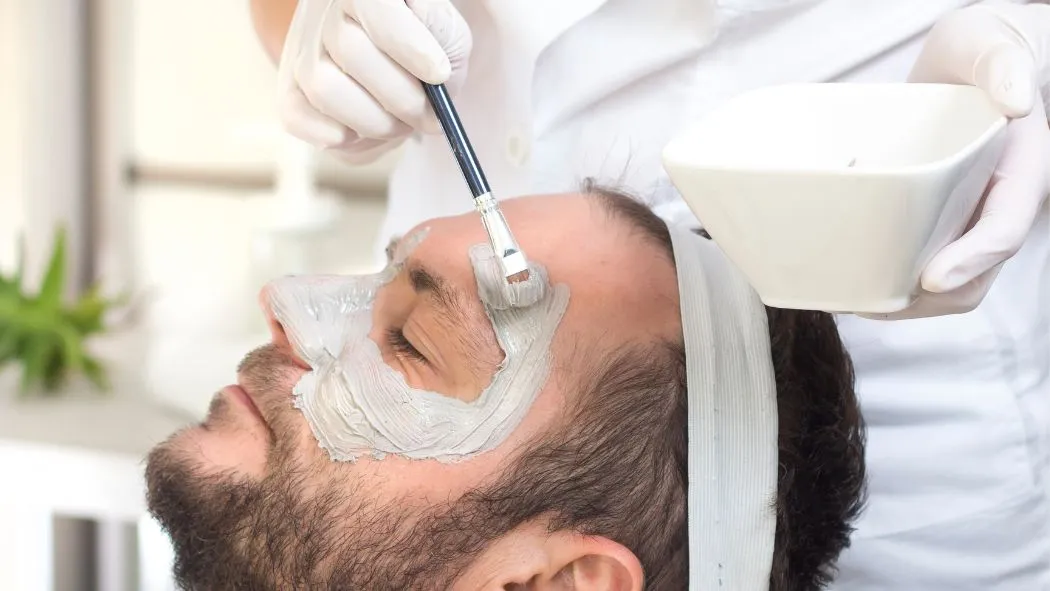
Signature facials are often chosen when the bride wants hydration, smoother texture, brighter-looking skin, and a fresher finish without heavy downtime. These options are useful when the skin is broadly healthy but needs a polished, well-rested appearance.
Medi-facials, peels, and laser options for brightness and clarity
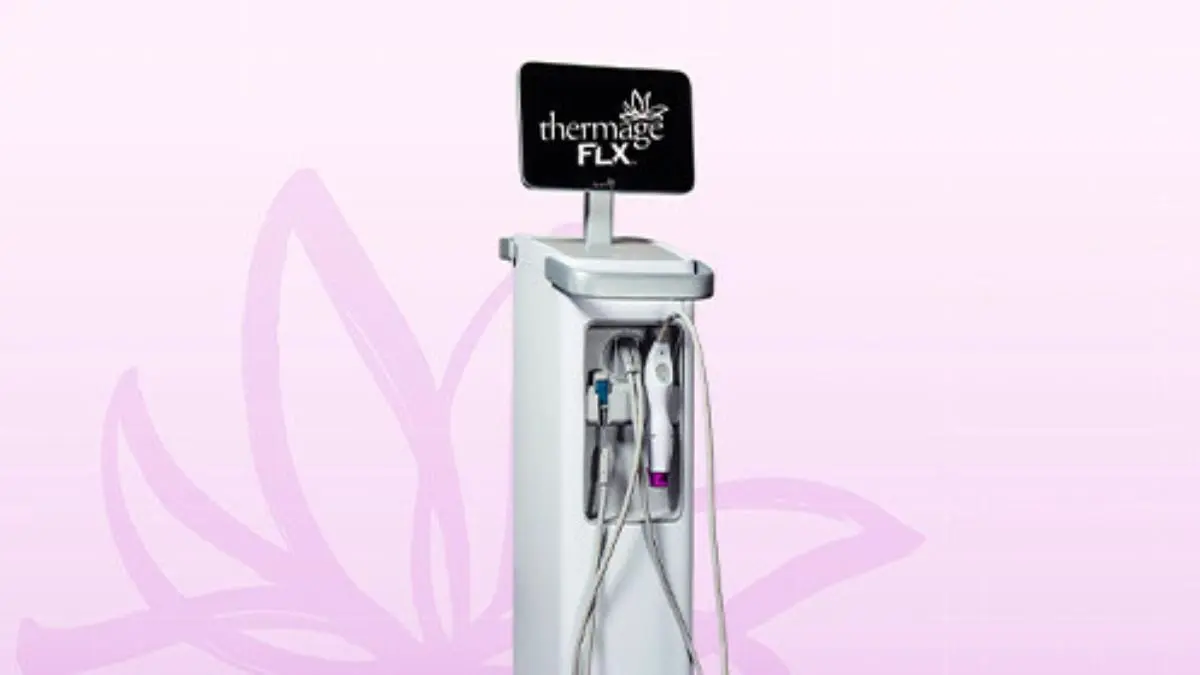
When dullness, tanning, mild marks, or rough texture are present, peels and dermatologist-selected resurfacing options may be added. Chemical peels can help selected cases of acne, pigmentation, and photoageing, but they need careful selection and counselling, especially in skin of colour.[1][2][3]
Acne, pores, texture, and pigment correction treatments
If active breakouts, post-acne marks, enlarged pores, or uneven texture are part of the concern, the plan may include more corrective work rather than only glow-focused treatments. This often matters more than a one-off facial because wedding makeup generally sits best on skin that is calmer and more stable, not merely freshly exfoliated.
Injectables and regenerative options, when timing matters
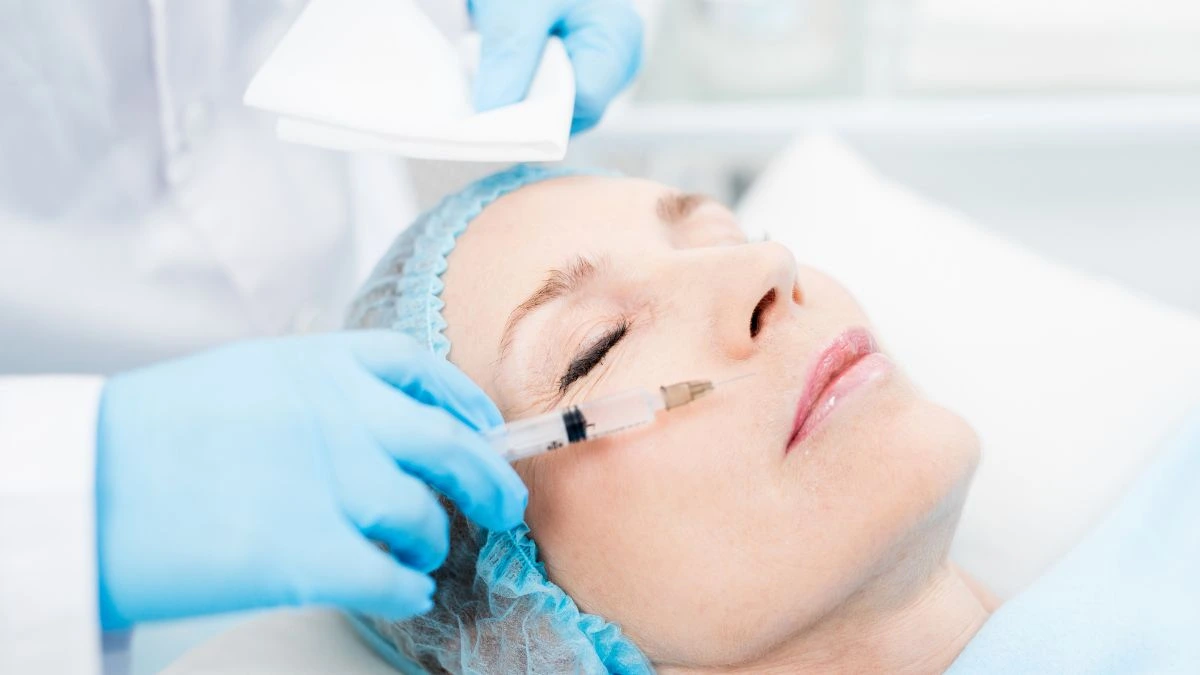
Some brides ask about anti-wrinkle injections, contouring support, or other rejuvenation procedures. These are not emergency treatments and should be planned with enough buffer for the effect to settle and for any touch-up decisions to happen without pressure. Botulinum toxin treatments generally show onset over days and last for months, but the exact response, timing, and suitability vary by area and patient.[4]
Brides may also ask about supportive options such as exosome-based skin support or IV wellness drips. These should be discussed carefully. They are not the foundation of every bridal plan, and where the evidence base is less established than standard dermatology procedures, we treat them as adjunctive rather than essential. An in-clinic assessment helps decide whether they add value.
Body contouring, sweat control, and supportive add-ons where relevant
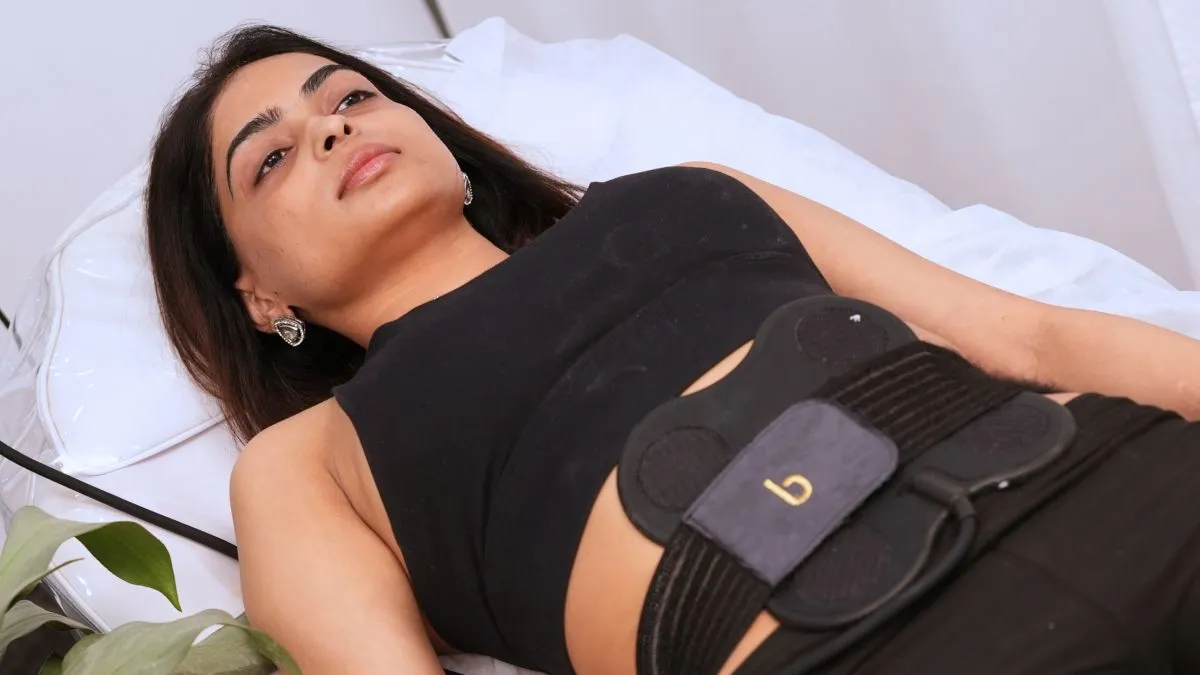
For brides concerned about a stubborn pocket of fat in a dress-sensitive area, non-invasive body contouring may be considered if started early enough. Cryolipolysis can reduce selected localised fat pockets, but it is not a weight-loss treatment and the improvement is usually modest rather than dramatic.[5]
If underarm sweating is the main concern, that may need its own treatment conversation. Botulinum toxin is an established option for primary axillary hyperhidrosis and is usually considered when sweating affects comfort, clothing, or confidence.[6]
How do pre-bridal treatments work on the skin?
Brightening and exfoliation
Some treatments work mainly by reducing superficial build-up and improving light reflection from the skin surface. This can help the face look fresher and smoother, especially when dullness and roughness are the main issue.
Hydration and barrier support
Other treatments improve hydration and support the skin barrier. This matters because well-hydrated, less irritated skin often looks more even and tends to hold makeup better than skin that has been repeatedly scrubbed or over-treated.
Collagen support, texture refinement, and contour improvement
A separate group of treatments aims at deeper refinement, such as improving fine lines, selected textural concerns, or localised contour issues over time. These changes are usually slower and more dependent on planning, which is why we prefer to start them earlier rather than close to the event.[4][5]
What is the indicative price of pre-bridal treatments at The Bombay Skin Clinic?
Indicative pricing for pre-bridal treatments in Mumbai usually depends on whether the plan is limited to finishing facials and peels or includes corrective procedures such as lasers, injectables, body contouring, or sweat-control. At The Bombay Skin Clinic, pricing is best discussed after the consultation because the plan is customised, but as a format guide, pre-bridal care may start from a single glow-focused session and scale upward based on the number and type of procedures included.
Frequently asked questions
When should I start pre-bridal skin treatments before my wedding?
Ideally, start as early as your concerns and schedule allow. If you are dealing with acne, marks, pigmentation, hair reduction, or body contouring, a longer runway is usually more useful. If your main concern is brightness and polish, a shorter plan may still help, but it should be realistic.
Which pre-bridal facial is best if I have only a few days left?
The best choice is usually a gentle, dermatologist-selected finishing treatment that supports hydration, clarity, and skin comfort without adding unnecessary irritation. The right option depends on whether your skin is dry, congested, acne-prone, or reactive.
Can acne, tanning, and pigmentation be treated in the same plan?
Often yes, but not always with equal intensity at the same time. The plan usually works best when we first identify what is driving the skin problem most strongly, then sequence treatment so the skin stays stable while multiple concerns are addressed.
Are pre-bridal treatments safe for sensitive or acne-prone skin?
They can be, provided the plan is built conservatively and matched to your skin behaviour. Sensitive and acne-prone skin often needs more careful procedure selection, calmer spacing, and stronger barrier support rather than repeated aggressive exfoliation.[2][3]
Can I do Botox or fillers before my wedding, and how early should I plan them?
Possibly, but these should not be rushed. A consultation helps decide whether they are suitable and how much buffer time is needed before the wedding. Anti-wrinkle injections usually need enough lead time for the effect to settle and for any follow-up decisions to happen comfortably.[4]
How do I choose between instant glow treatments and corrective treatments?
Choose based on the concern and the time left. If the skin is already fairly stable and you mainly want a fresher finish, glow treatments may be enough. If acne, marks, pigmentation, sweating, or localised contour concerns are the real issue, corrective planning is usually the better use of time.
Sources
- American Academy of Dermatology. Chemical peels: Overview. American Academy of Dermatology. https://www.aad.org/public/cosmetic/younger-looking/chemical-peels-overview
- American Academy of Dermatology. Chemical peels: FAQs. American Academy of Dermatology. https://www.aad.org/public/cosmetic/younger-looking/chemical-peels-faqs
- Desai M, Hamzavi IH, Alexis A, et al. Cosmetic Procedures in Patients with Skin of Color. Dermatol Surg. https://pmc.ncbi.nlm.nih.gov/articles/PMC10027327/
- Nestor M, Shalhoub M, Ablon G, et al. Onset and Duration of AbobotulinumtoxinA for Aesthetic Use in the Upper Face: A Systematic Literature Review. Clin Cosmet Investig Dermatol. https://pmc.ncbi.nlm.nih.gov/articles/PMC7819591/
- Derrick CD, Shridharani SM, Broyles JM. The Safety and Efficacy of Cryolipolysis: A Systematic Review of Available Literature. Aesthet Surg J. https://pubmed.ncbi.nlm.nih.gov/26038367/
- Lowe N, Lask G, Yamauchi P. Treatment of hyperhidrosis with Botox (onabotulinumtoxinA). Clin Cosmet Investig Dermatol. https://pmc.ncbi.nlm.nih.gov/articles/PMC10374185/
Dr. Batul Patel (Dermatologist)
Medical Director – The Bombay Skin Clinic
Dr. Batul Patel is an award winning certified dermatologist, honoured as the “Dermatologist of the Year 2023” at the national level by The Economic Times. View profile