

Dr. Batul Patel (Dermatologist)
Medical Director – The Bombay Skin Clinic
Dr. Batul Patel is an award winning certified dermatologist, honoured as the “Dermatologist of the Year 2023” at the national level by The Economic Times. View profile
Groom Treatments | Benefits | How Groom Treatments Work | Price
Our preperatory treatments for grooms?
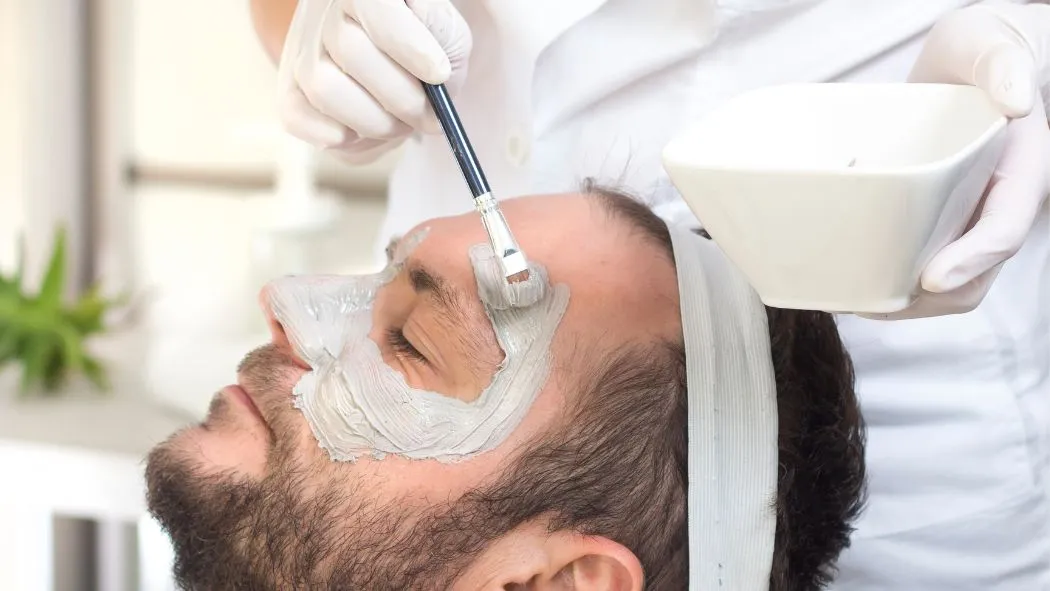
Our groom treatments are doctor-led skin, hair and grooming procedures planned around a man’s specific concerns before the wedding. They can include skin-refresh treatments, beard-line clean-up, laser hair reduction, hair and scalp care, sweat-control options, and selected aesthetic treatments when clinically suitable.
Male skin is often oilier, thicker and more affected by shaving-related irritation, so the approach usually needs to be adjusted for how men actually present in clinic.[1]
Why are more grooms in Mumbai choosing dermatologist-led grooming?
Weddings involve long functions, humidity, travel, photographs and close grooming. Many grooms want to look fresher, cleaner and better rested, but still like themselves. That is one reason dermatologist-led planning is becoming more relevant.
Clinic-based treatment also helps when the concern is not just cosmetic. Shaving bumps, post-acne marks, oily skin, dandruff, hair thinning, body hair concerns and excessive underarm sweating often need more than a salon facial or home products.[2,3]
For Mumbai patients, the key advantage is timing and sequencing, deciding what is worth doing early and what should be avoided too close to the event.
What concerns can groom treatments help address?
Skin texture, dullness and post-shave irritation
Common concerns include rough texture, visible pores, tanning, oiliness, and irritation after shaving. Men who shave regularly may also develop ingrown hair, razor burn or beard-area bumps, which can leave marks behind if repeatedly inflamed.[2]
Acne marks, pigmentation and uneven tone
Some grooms are less worried about active acne and more concerned about old marks, patchy tone, facial dullness or an overall tired look. Where acne scars are present, treatment planning usually depends on scar type, skin tone and whether breakouts are still active.[4]
Hair thinning, dandruff and scalp concerns
Hairline recession, increased shedding, dandruff and oily scalp are frequent pre-wedding concerns in men. These may need scalp-focused care, medical treatment planning, procedural support such as PRP in selected cases, or a combination approach after diagnosis.[5]
Excess body hair, beard line clean-up and sweat concerns
Some men want lower-maintenance grooming for the beard line, cheeks, neckline, chest, back, shoulders or abdomen. Others are mainly bothered by underarm sweat or odour during long wedding events, fitted clothing or travel.
Stubborn fat pockets and facial definition concerns
Some grooms also ask about jawline refinement, under-chin fullness or stubborn abdominal fat. These concerns need honest suitability checks because not every issue is best managed procedurally.
What are the advantages of groom treatments?
- They are tailored to male skin, beard growth patterns, scalp concerns and real-life wedding timelines.[1,2]
- They can reduce repeated grooming effort, especially where shaving, waxing or trimming keeps triggering irritation or ingrown hair.[2,3]
- They allow a staged approach, so early sessions focus on control and later sessions focus on refinement.
- They are useful when more than one concern exists together, for example oiliness with acne marks, or hair fall with dandruff.
- They usually offer a more reliable safety framework than trial-and-error last-minute grooming, because skin type, history and contraindications are reviewed first.[3,4]
Who is eligible for groom treatments?
Who may be a good candidate?
- Men who want clearer skin texture, better beard-area comfort, lower grooming maintenance or a more polished pre-wedding appearance.
- Grooms with acne marks, tanning, dullness, razor bumps, dandruff, hair thinning or unwanted body hair that has not responded well to basic home care.
- Men who are willing to start early enough for a realistic plan rather than expecting a single-session transformation.
Who may need caution, delay or a doctor review first?
- Anyone with active skin infection, uncontrolled acne flares, open wounds, severe irritation, recent sunburn or a current facial rash.
- Patients with a history of keloids, pigment sensitivity, herpes outbreaks, recent procedures, or medication use that changes skin reactivity may need a modified plan.[3,4]
- For hair, sweat or body-contouring concerns, a medical review may be needed first if there is a broader underlying issue rather than a simple cosmetic concern.[5]
Which groom treatments are available at The Bombay Skin Clinic?
Signature facials and skin-refresh treatments for grooms
These are usually chosen for dullness, congestion, rough texture, shaving-related irritation and event-readiness. Depending on the concern, options may include men’s facials, hydradermabrasion, medi-facial style protocols and selected laser facials for a cleaner, fresher appearance. For acne-marked skin or pigmentation, the exact choice depends on how reactive the skin is and how much time remains before the wedding.
Hair and scalp treatments for hair fall and dandruff
For grooms with shedding, recession or scalp issues, treatment can involve diagnosis, scalp care, targeted procedural support and longer-horizon planning. PRP may be discussed for selected men with androgenetic hair loss, but it is best framed as a supportive option because protocols vary and evidence is still being standardised.[5]
Laser grooming and hair reduction for men
This section usually includes beard shaping, neckline clean-up and reduction of unwanted body hair on areas such as chest, back, shoulders, ears or abdomen. Laser hair reduction works by targeting pigment in the hair shaft and damaging the follicle enough to slow future growth. It is usually planned as a series, not a one-time session.[3]
Body contouring and underarm sweat reduction options
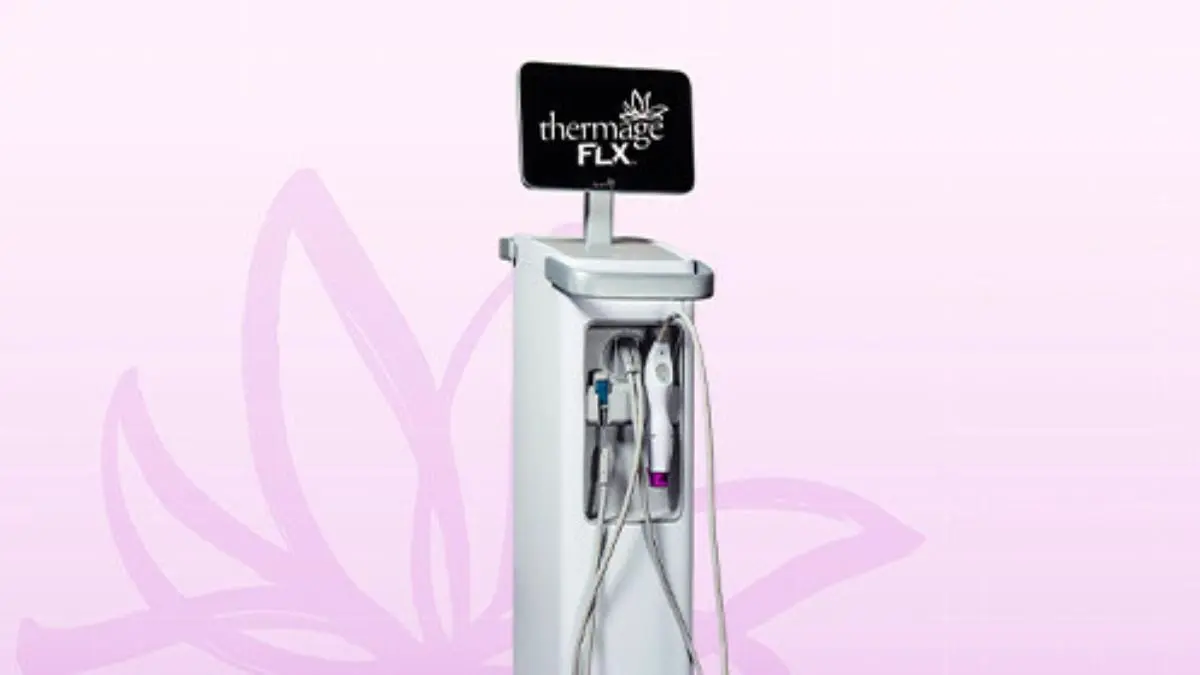
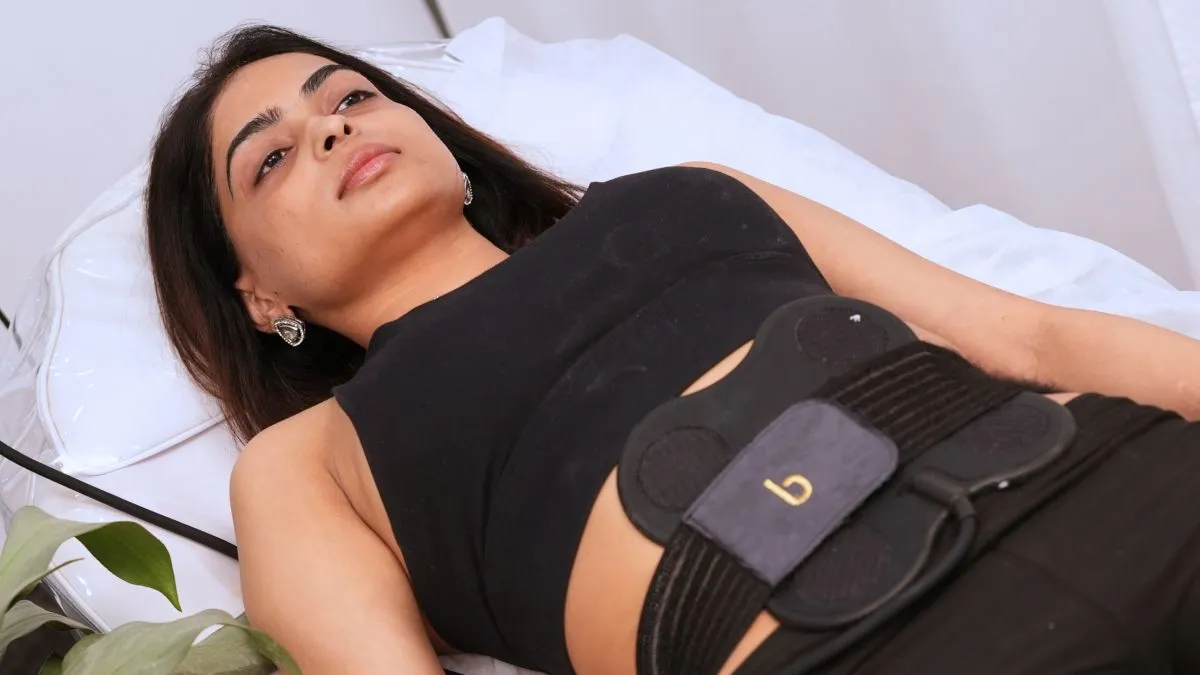
For selected candidates, groom treatment planning may also include body contouring for stubborn pockets that have not responded to routine measures, and underarm sweat-control options where excessive sweating affects comfort, clothing or confidence. These are suitability-led categories, not default add-ons for every groom.
Select injectable enhancements for a subtle, rested look
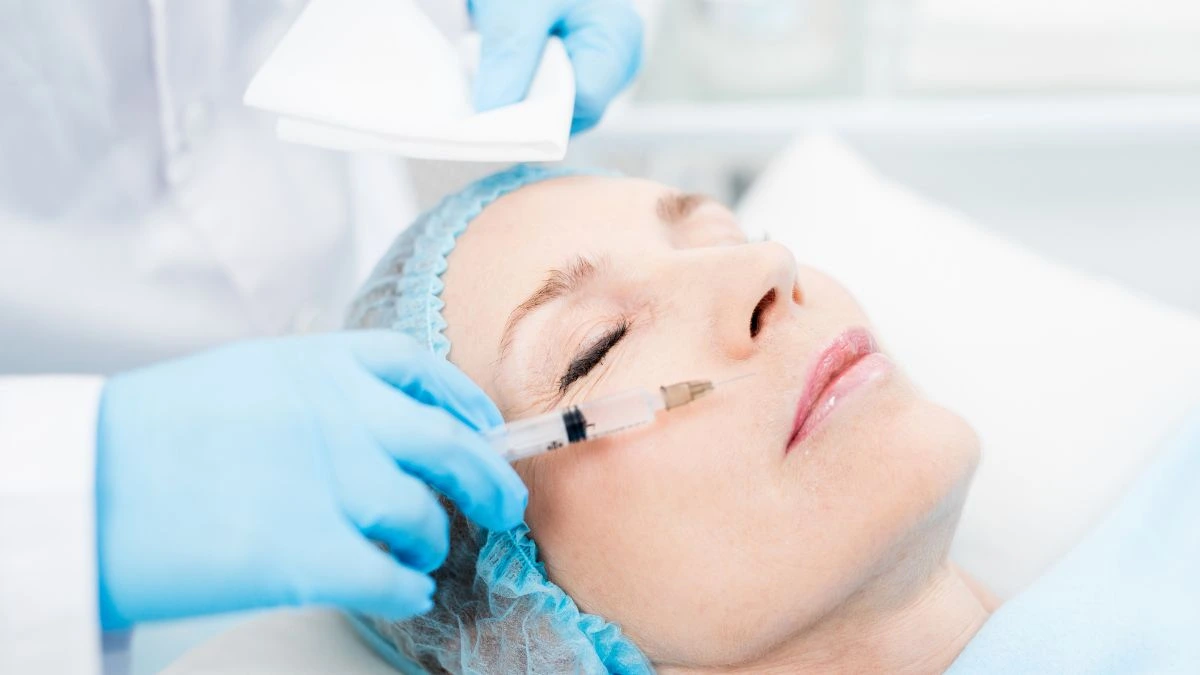
Some men ask about softening expression lines or improving lower-face definition. When appropriate, selected injectables may be considered for a subtle, rested result. These decisions need careful facial assessment, conservative planning and adequate time before the event.
How do groom treatments work?
Skin prep and exfoliation treatments
These treatments reduce surface build-up and improve texture through cleansing, exfoliation, hydration, extraction where suitable, or a doctor-selected peel or resurfacing approach. Chemical peels and related resurfacing options can help acne, discolouration and signs of photoageing in selected patients, but the type and depth need to suit the skin and the timeline.[4]
Laser and energy-based treatments
Lasers and energy-based devices are used when the target is deeper or more specific, such as hair follicles, pigment, pores, selected scars or sweat glands. In hair reduction, the energy targets melanin in the hair. In other indications, the device and settings vary according to the concern, skin tone and downtime tolerance.[3]
Hair restoration approaches
Hair treatment usually involves diagnosis first, followed by home care, prescription treatment where needed, procedural support such as PRP in selected cases, and sometimes discussion of hair transplant pathways for longer-term restoration goals.[5]
Body contouring and sweat-control approaches
Body contouring treatments are usually designed to target localised stubborn fat rather than general weight change. Sweat-control treatments are chosen when sweating exceeds what is expected and meaningfully affects daily life, social comfort or clothing. Hyperhidrosis pathways are usually stepped and individualised, based on the site involved and the severity.[6]
Injectable refinement options
Injectables work by reducing selected muscle movement or by restoring shape in areas where contour has softened. In groom planning, the emphasis is usually on restraint. The goal is to avoid an overdone result and allow enough time for review before the wedding.
What does the session plan and comfort level usually look like?
How long does a typical session take?
Short skin-refresh sessions may take around 30 to 60 minutes. Laser grooming for a small beard-shaping zone may be shorter, while larger body areas can take longer. PRP and selected injectable sessions also vary depending on preparation time and the number of areas being treated.[3,5]
How many sessions may be needed?
This depends on the category. A quick skin-polish treatment may be done as a single event-prep session in the right patient, but pigmentation, acne marks, laser hair reduction and hair-loss support generally need a course. Laser hair reduction, for example, is usually done as a series with spacing between sessions.[3]
How far before the wedding should treatment planning begin?
As a practical rule, three to six months gives more room for meaningful skin, hair and grooming change. Six to twelve months is better if there are acne scars, ongoing hair loss, beard-line irritation that keeps recurring, or body-contouring goals. A shorter timeline does not rule treatment out, but it changes what is realistic and what is worth skipping.
What discomfort, redness or downtime should you expect?
Laser hair reduction can leave short-term redness and swelling that often settles quickly. Common side effects are usually mild when treatment is performed appropriately and aftercare is followed.[3]
Peels, resurfacing and injectables may bring temporary redness, dryness, swelling or sensitivity. That is why we generally avoid pushing unfamiliar or aggressive treatment too close to an important event.
How do groom treatments compare with salon facials and routine grooming?
Groom treatments vs salon facials
Salon facials may feel relaxing and can improve short-term freshness, but they are not designed to diagnose scalp disease, manage shaving bumps, reduce hair growth, or treat acne marks in a structured medical way. When the concern is recurring or procedural, doctor-led care is usually more precise.[2,4]
Groom treatments vs at-home grooming
At-home care matters, but it has limits. It can support maintenance, oil control and routine skin health. It is less likely to meaningfully reduce beard-line ingrowns, persistent body hair, established acne scars, or ongoing pattern hair loss on its own.[2,3,5]
Groom treatments vs last-minute quick fixes
This is where many mistakes happen. Last-minute experimentation can irritate the skin, trigger breakouts or leave visible dryness and redness too close to the function. A shorter timeline does not always mean “do more.” Very often it means “do less, but do the right things.”
What is the indicative pricing for our groom treatments at The Bombay Skin Clinic?
Indicative pricing depends on the concern, treatment category, treatment area and number of sessions. As a practical orientation, some clinic-based facial and skin-refresh treatments may start from around ₹4,500, while smaller-area skin procedures may begin lower in selected cases. This is only a guide, not a fixed package price.
Hollywood Laser Peel style treatments may start around ₹15,000 per session. PRP hair sessions may start around ₹6,000 per session. Laser hair reduction, injectables and body contouring vary more because the quote changes with area size, device choice, number of sittings and whether multiple concerns are being treated together.
Frequently asked questions about groom treatments
When should a groom start skin and hair treatments before the wedding?
Earlier is better, especially if hair fall, acne marks, recurring shaving bumps or body hair reduction are part of the plan. Three to six months is useful for many concerns. More time is better for scars, hair and body-focused goals.
Can groom treatments help with shaving bumps and ingrown hair?
Yes, in many men they can. The first step is confirming that the problem is shaving-related pseudofolliculitis or ingrown hair rather than another beard-area disorder. Once confirmed, treatment may include shaving modifications, skin-calming care and, in selected cases, laser hair reduction because reducing the problematic hair can reduce recurrence.[2,3]
Are laser beard shaping and body hair reduction safe for men with Indian skin?
They can be safe in the right hands, but they are not casual salon procedures. Proper device choice, settings, diagnosis and aftercare matter, especially in skin that can pigment easily. Dermatologist-led treatment helps reduce avoidable risk.[3]
Which groom treatments have little to no downtime?
Many skin-refresh procedures and some laser sessions involve limited downtime, but the exact reaction depends on the treatment and your skin. Temporary redness, dryness or sensitivity can still happen. That is why patch testing, planning and timing matter more than labels such as “lunchtime treatment.”
How do we choose the right groom treatment plan for each patient?
We start with the concern, not the package. We look at the wedding date, skin and scalp history, shaving pattern, current routine, travel schedule and what matters most to the patient. Then we prioritise the interventions that are most likely to be useful, safe and realistic within that timeline.
Citation Sources
- Rahrovan S, Fanian F, Mehryan P, Humbert P, Firooz A. Male versus female skin: What dermatologists and cosmeticians should know. Int J Womens Dermatol. 2018. https://pmc.ncbi.nlm.nih.gov/articles/PMC6116811/
- Ogunbiyi A. Pseudofolliculitis barbae; current treatment options. Clin Cosmet Investig Dermatol. 2019. https://pmc.ncbi.nlm.nih.gov/articles/PMC6585396/
- American Academy of Dermatology Association. Laser hair removal: FAQs. AAD. https://www.aad.org/public/cosmetic/hair-removal/laser-hair-removal-faqs
- American Academy of Dermatology Association. Acne scars: Consultation and treatment. AAD. https://www.aad.org/public/diseases/acne/derm-treat/scars/treatment
- Donnelly C, Hogan S, Heneghan HM, Markham T. The role of platelet-rich plasma in androgenetic alopecia: A systematic review. J Cosmet Dermatol. 2024. https://pubmed.ncbi.nlm.nih.gov/38284294/
- International Hyperhidrosis Society. Primary Axillary Hyperhidrosis Treatment Guide. Revised February 2025. https://www.sweathelp.org/pdf/axillary-2024%20Axillary%20guideline.pdf
Dr. Batul Patel (Dermatologist)
Medical Director – The Bombay Skin Clinic
Dr. Batul Patel is an award winning certified dermatologist, honoured as the “Dermatologist of the Year 2023” at the national level by The Economic Times. View profile