

Dr. Batul Patel (Dermatologist)
Medical Director – The Bombay Skin Clinic
Dr. Batul Patel is an award winning celebrity dermatologist, practising since 20 years. Honoured as “Dermatologist of the Year 2026” by Financial Express, “Dermatologist of the Year 2023” by The Economic Times and Jury Member at Vogue Beauty & Wellness Honours 2026. View profile
What Is PRP | PRP Benefits | PRP Candidates | PRP Safety & Results | Price
PRP treatment in Mumbai – a quick overview
What is PRP (platelet-rich plasma) treatment?
Platelet-rich plasma, or PRP, is a treatment where we use a concentrated portion of your own blood, rich in platelets and growth factors, to support repair in targeted areas. The blood is processed in a centrifuge to separate a layer that contains a higher-than-normal concentration of platelets suspended in plasma.
Across medicine, PRP is being explored for hair loss, skin rejuvenation, acne scars and even joint and tendon problems. In dermatology, current evidence suggests that PRP may help improve hair density in selected types of hair loss and may support better healing and texture when combined with other procedures for scars and ageing skin, although results can vary person to person.[1-4]
How PRP fits into modern regenerative medicine
Regenerative medicine focuses on using the body’s own resources to support healing rather than only suppressing symptoms. PRP is one of the most widely studied autologous (self-derived) preparations in this space. Instead of using synthetic materials, we work with your own platelets, which naturally release growth factors that participate in wound repair and tissue remodelling.
For our patients in Mumbai, PRP is usually not a stand-alone solution. It is typically part of a broader plan that may also include prescription medicines, in-clinic procedures such as microneedling or lasers, and home care. Large dermatology bodies note that PRP is a promising but still evolving treatment option for hair loss and skin quality, and that individual responses can differ.[2-4]
Key benefits of PRP treatment for skin and hair
- Uses your own blood, so the risk of allergy or rejection is low when performed correctly.
- Targets early to moderate concerns such as thinning hair, dull skin or mild to moderate acne scarring in selected patients.
- Minimally invasive, day-care procedure performed in the clinic.
- Can often be combined with microneedling, lasers or medicines to support better overall outcomes for hair and skin.[3-6]
- Offers an option for people looking for doctor-led, non-surgical treatments in Mumbai before considering more invasive procedures.
Where do we use PRP at The Bombay Skin Clinic?
PRP for hair loss and thinning (men and women)
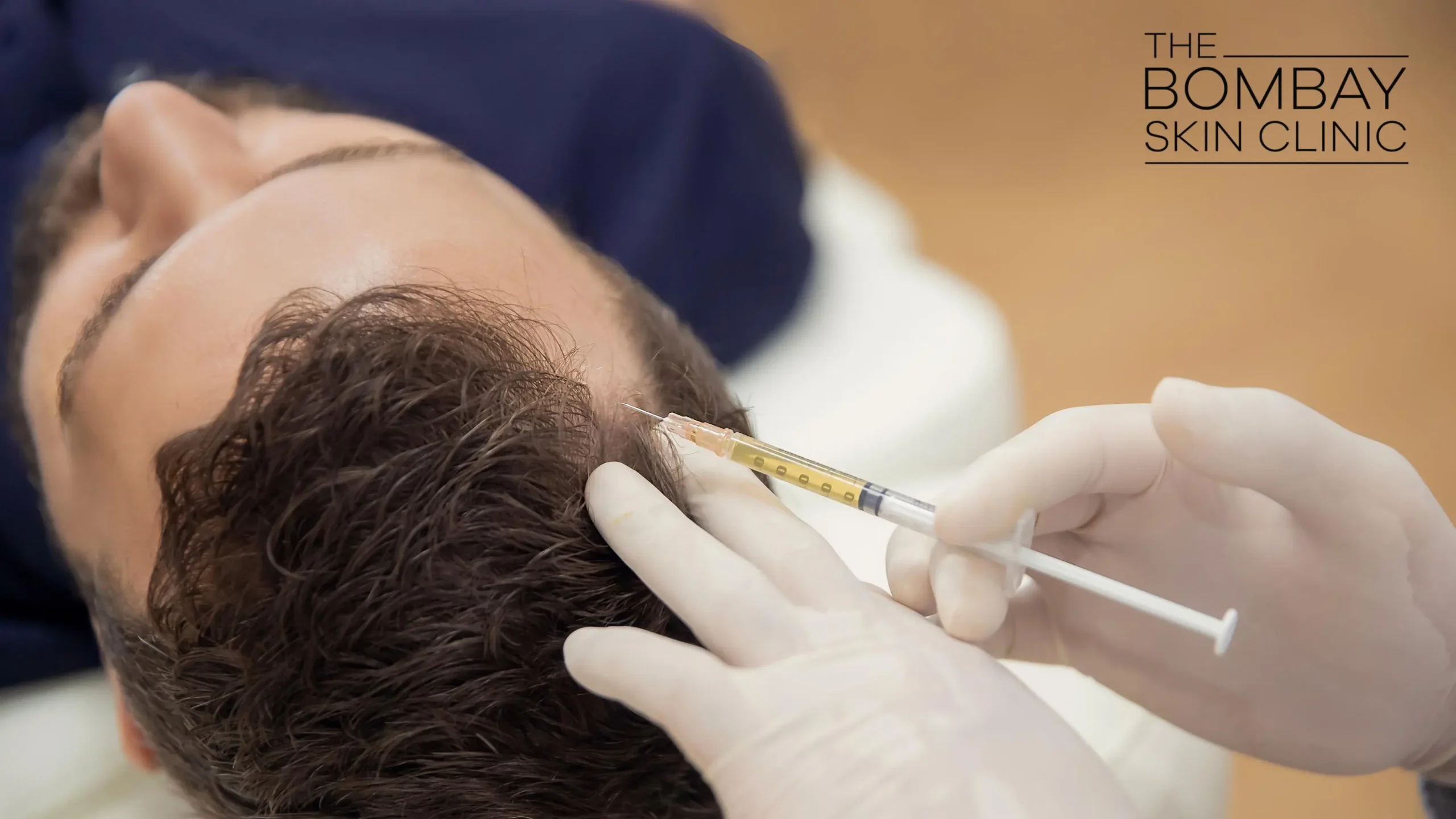
At The Bombay Skin Clinic, we often consider PRP for selected cases of androgenetic alopecia, also called male and female pattern hair loss. Small randomised studies and reviews suggest that PRP can increase hair density and hair shaft thickness in some patients when used under medical supervision.[1-3] It is most useful when hair follicles are weak but still present, rather than in completely bald areas.
In practice, PRP for hair loss in Mumbai is usually combined with other evidence-based therapies such as topical lotions, oral medicines where suitable, nutritional support and lifestyle advice. We use it as part of a structured plan rather than as a one-time procedure.
PRP for facial rejuvenation and dull, tired-looking skin
PRP is also used in aesthetic dermatology to improve general skin quality. When injected in small amounts or applied after procedures like microneedling, platelet-derived growth factors may support collagen production and improved texture in selected patients.[4]
For many of our Mumbai patients who struggle with dullness, fine lines and mild laxity but do not want fillers immediately, carefully planned PRP sessions can be one of the options considered. We emphasise that it is not a replacement for good skincare, sun protection or other treatments, but can be an additional supportive step.
PRP for acne scars, open pores and texture concerns
Post-acne atrophic scars and enlarged pores are common concerns among our younger patients. Systematic reviews and comparative studies suggest that PRP, especially when combined with fractional lasers or microneedling, can improve scar scores and patient satisfaction compared to procedures done without PRP, although studies are heterogeneous and still evolving.[5,6]
In our clinic, we usually position PRP as an add-on to energy-based devices and microneedling rather than as a solo treatment for acne scars. The aim is to support better healing, reduce downtime in some cases and gradually improve texture over a series of sessions.
PRP around the eyes for under-eye hollows and fine lines
The skin around the eyes is thin and sensitive. Some patients are not ready for fillers around the eyes but would like to explore options for mild hollows, crepey texture or early fine lines. In suitable cases, we may discuss PRP as one of the supportive options, often along with lifestyle changes, topical care and, where needed, other procedures.
Because the evidence base around periorbital PRP is still limited compared to hair loss or acne scars, we plan such treatments carefully, explain the uncertainties and set realistic expectations during your consultation.
Who is PRP treatment suitable for – and who should avoid it?
Are you a good candidate for PRP treatment?
You may be considered a good candidate for PRP if:
- You have early to moderate hair thinning with visible but weaker hair, rather than long-standing, completely bald areas.
- You have mild to moderate acne scars, textural changes or fine lines, and are willing to follow a structured plan over several months.
- You are generally healthy, with stable medical conditions and no major bleeding or clotting issues.
- You prefer minimally invasive, doctor-performed treatments and are comfortable with blood draws and micro-injections.
- You are willing to combine PRP with other recommended treatments and maintain realistic expectations about gradual improvement.
Situations where we usually do not recommend PRP
We usually avoid PRP in the following situations:
- Advanced hair loss with shiny, scarred or completely bald patches where follicles are not likely to respond.
- Active skin infections, severe dermatitis or uncontrolled acne at the proposed treatment site.
- History of severe allergy or adverse reactions to previous PRP or injection-based procedures.
- Significant needle anxiety or conditions that make blood draws unsafe.
How PRP treatment works – from blood draw to targeted repair
Step-by-step: how we prepare PRP safely in the clinic
All PRP treatments at The Bombay Skin Clinic are dermatologist-led. A typical session involves:
- Drawing a measured amount of blood from a vein in your arm into sterile, single-use tubes.
- Processing the tubes in a calibrated centrifuge to separate red cells, platelet-poor plasma and platelet-rich plasma.
- Carefully collecting the platelet-rich layer under strict hygiene, often using closed systems to reduce contamination risk.
- Activating or using the PRP as per the chosen protocol and area to be treated.
The exact protocol can vary slightly based on your concern, your platelet count and current scientific evidence. We keep detailed records so that each session is consistent and traceable.
What PRP growth factors do inside skin and hair follicles
Platelets contain growth factors and signalling molecules that are naturally released when tissues are injured. In PRP therapy, the goal is to deliver a higher concentration of these factors to areas of concern so they can support repair processes. In hair loss, for example, studies suggest that PRP may prolong the growth phase of hair follicles and improve blood supply around the follicle unit.[1-3]
In skin, PRP is believed to support collagen remodelling, improve microcirculation and assist healing after controlled procedures like microneedling or lasers.[4-6] However, responses vary, and PRP should be seen as a supportive technique rather than a replacement for a comprehensive treatment plan.
PRP alone vs PRP combined with microneedling, lasers or fillers
In many cases, PRP is combined with other in-clinic procedures for better overall benefit. For acne scars, for instance, combining PRP with fractional laser resurfacing or microneedling has shown improved scar scores and patient satisfaction in several studies compared with procedures done without PRP.[5,6]
For skin ageing, PRP may be performed along with microneedling, lasers, skin boosters or hyaluronic acid fillers, depending on what your dermatologist recommends. For hair loss, PRP is often an add-on to medicines rather than a replacement. The exact combination is always individualised after a thorough consultation.
Your PRP treatment plan at The Bombay Skin Clinic
What happens during a typical PRP session?
A usual PRP appointment looks like this:
- Cleansing of the treatment area and application of numbing cream where appropriate.
- Blood draw from your arm, followed by centrifugation and preparation of the PRP.
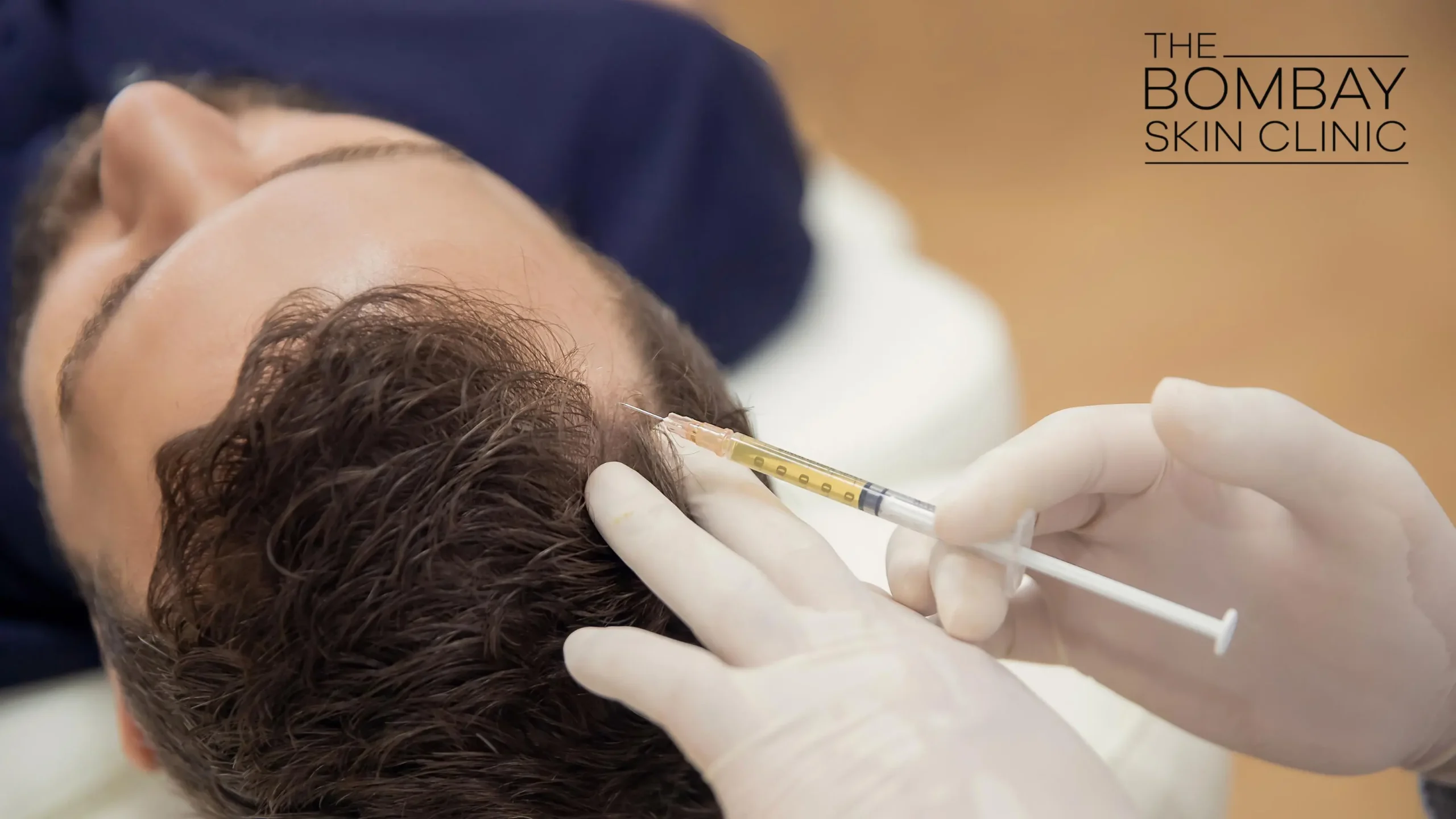
- Marking of treatment zones and gentle injections or application of PRP over the planned area.
- Post-procedure cleaning, application of soothing products where needed and review of aftercare instructions.
Most patients are able to leave the clinic soon after the session and return to light activities the same day.
Session duration, spacing and total course length
A single PRP session typically takes between 45 and 90 minutes from start to finish, including numbing time, blood processing and injections. The spacing between sessions is usually a few weeks, but the exact schedule will depend on your indication, other treatments in your plan and your response over time.
Your total course length is individualised. For many people, the active phase lasts several months, followed by review visits and, if beneficial, spaced-out maintenance sessions. All of this is discussed transparently before you begin.
Downtime, recovery and aftercare after PRP treatment
What to expect in the first 24–72 hours
After PRP, it is common to notice:
- Mild redness, swelling or a feeling of heaviness over the treated area.
- Small needle marks or pinpoint bruises, especially around the eyes or on thinner skin.
- Scalp tenderness if you have had PRP for hair loss.
These usually settle over a few days. Your dermatologist will guide you on simple measures such as cold compresses and gentle skincare to ease temporary discomfort.
Skincare, haircare and activity checklist after PRP
As a general guide, we may advise:
- Avoid rubbing, massaging or scratching the treated area for the first day or as advised.
- Use only the cleansers and moisturisers recommended by your dermatologist for the first few days.
- Avoid harsh actives, home peels or aggressive scrubbing until your skin has settled.
- Delay hair colouring, straightening or chemical treatments around the session if PRP is done on the scalp.
- Avoid swimming pools and very hot saunas or steam rooms for a short period after treatment.
These points are adjusted for your skin type, lifestyle and the exact treatment performed.
What results can you realistically expect from PRP – and when?
Timelines for changes in hair fall, density and texture
For hair loss, it usually takes several weeks to start noticing early changes, such as reduction in hair fall or improved hair quality. In many published studies, measurable changes in density are seen only after multiple sessions spread over months.[1-3]
In real life, patients may first notice that shedding reduces, combing feels easier or ponytail volume feels slightly better. Visible filling of thinner areas, when it happens, is gradual.
Timelines for glow, firmness and scar improvement in skin
For facial PRP, many people notice a fresher look within a few weeks, especially when PRP is combined with microneedling or lasers. Improvements in firmness, fine lines or pore visibility usually take repeated sessions and are subtle rather than dramatic.[4-6]
Acne scar treatments are typically planned over several months. Even when we add PRP, scars rarely disappear completely; the goal is softer, smoother, less noticeable scars over time.[5,6]
How long PRP results usually last and when top-ups help
If you respond well to PRP, your dermatologist may suggest spaced-out maintenance sessions to help sustain benefits. For hair loss, this often means a combination of home care, medicines and occasional in-clinic sessions over the long term.[2,3]
For skin, you may move into a maintenance phase with broader anti-ageing or scar-care strategies, where PRP is only one of the tools. The need and frequency of maintenance are reviewed case by case.
Why individual results vary and need in-clinic assessment
PRP outcomes depend on many factors: your baseline diagnosis, genetic background, hormones, lifestyle, platelet concentration, technique and combination with other treatments. This is why the same PRP protocol can work differently in two people.
An in-clinic consultation remains the most important step. At The Bombay Skin Clinic, we use your evaluation to decide whether PRP is suitable, how to structure it with other therapies and when it may not be the best use of your time and budget.
PRP vs other treatment options – which makes sense for you?
PRP vs dermal fillers and skin boosters
Dermal fillers and skin boosters introduce hyaluronic acid or other substances directly to restore volume and hydration. Their effect is usually more immediate and structural. PRP relies on your body’s own healing processes and tends to give more gradual, less predictable changes.
Many patients in Mumbai choose a combination approach: strategic fillers or skin boosters for support, along with PRP and device-based treatments for overall texture and quality. The mix depends on your age, concerns, lifestyle and comfort levels.
When we may suggest GFC, Regenera Activa or other options first
For some patterns of hair loss or scarring, we may suggest alternatives such as growth factor concentrates (GFC), specialised cell-based treatments, or other regenerative procedures. In addition, advanced cases of pattern hair loss may be better addressed with hair transplantation rather than PRP alone.
During your consultation, we will explain how PRP compares with these options for your specific case, and whether it should be a primary treatment, a secondary add-on or avoided altogether.
PRP treatment cost in Mumbai
Indicative PRP pricing at The Bombay Skin Clinic
PRP treatment cost in Mumbai varies based on the area treated, technology used and the expertise of the team. At The Bombay Skin Clinic, PRP sessions for smaller areas generally start from around Rs.6,000 per session, with exact pricing shared after examination and treatment planning.
Package options may be available when your dermatologist advises a series of sessions. These are always customised, and there is no one-size-fits-all quote.
Why choose The Bombay Skin Clinic for PRP treatment in Mumbai?
Dermatologist-led, protocol-driven PRP by Dr Batul Patel and team
All PRP treatments at The Bombay Skin Clinic are designed and supervised by our dermatology team led by Dr Batul Patel. As a dermatologist with a strong focus on aesthetic and regenerative medicine, she has developed protocols that balance current evidence with the realities of Indian hair and skin.
Your consultation is always with a doctor, not a technician, and your plan is personalised to your diagnosis and goals.
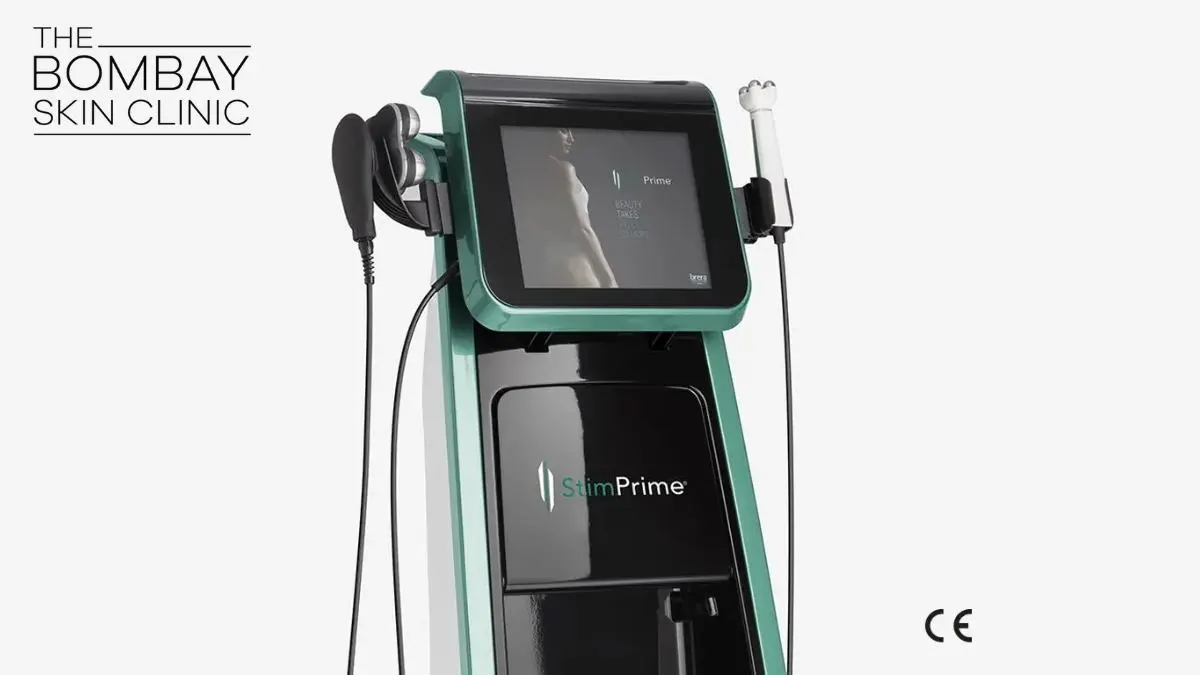
Advanced PRP technology, centrifuges and sterile disposables
We use medical-grade centrifuges, validated protocols and single-use sterile kits to prepare PRP. Each step is documented and traceable, from the time your blood is drawn to the point where PRP is injected or applied.
Our clinics follow strict infection-control policies, and regular audits help ensure that your treatment experience is both safe and consistent.
Personalised mapping for different skin types, hair patterns and concerns
Hair loss in a young man with a family history of early balding is very different from diffuse shedding in a woman with PCOS or from acne scars in a teenager. We map each case individually.
PRP is offered only where it fits into this personalised map. If we feel that another treatment is likely to give you better value or safety, we will explain this upfront.
Multi-clinic access in Kemps Corner, Bandra, Andheri and Chembur
The Bombay Skin Clinic has locations in Kemps Corner (South Mumbai), Bandra, Andheri and Chembur, making it easier for you to attend regular PRP sessions without excessive travel. Your records are shared securely across branches so that your care is seamless even if you visit different locations.
FAQs about PRP treatment in Mumbai
Is PRP treatment safe for Indian skin and hair?
When performed by trained dermatologists using proper protocols, PRP is generally considered safe for Indian skin and hair types.[2-4] Because it uses your own blood, the risk of allergy is low.
Can PRP regrow hair in completely bald areas?
PRP is most effective when hair follicles are still present but weak. Completely bald, shiny or scarred areas usually indicate that follicles have been lost. In such cases, PRP is unlikely to regrow hair, and options like hair transplantation may be more appropriate.
How many PRP sessions will I need before I see a difference?
Most patients who respond to PRP notice changes only after multiple sessions spread over several months.[1-3] Some may see early signs such as reduced shedding or better texture earlier, while others may need more time.
References
- Gentile P, Cole JP, Cole MA, et al. The effect of platelet-rich plasma in hair regrowth: a randomized placebo-controlled trial. Stem Cells Transl Med. 2015;4(11):1317-1323. https://pmc.ncbi.nlm.nih.gov/articles/PMC4622412/
- Paichitrojjana A. Platelet rich plasma and its use in hair regrowth: a review. Dermatol Pract Concept. 2022;12(3):e2022157. https://pmc.ncbi.nlm.nih.gov/articles/PMC8922312/
- American Academy of Dermatology. Hair loss: diagnosis and treatment. 2022. https://www.aad.org/public/diseases/hair-loss/treatment/diagnosis-treat
- American Academy of Dermatology. Is platelet-rich plasma the secret to younger-looking skin? 2020. https://www.aad.org/public/cosmetic/younger-looking/platelet-rich-plasma-secret-to-younger-skin
- Cruciani M, Trimarco V, Di Bari C, et al. Platelet rich plasma use for treatment of acne scars: an overview of systematic reviews. Blood Transfus. 2024;22(3):226-238. https://pubmed.ncbi.nlm.nih.gov/37677095/
- Arora S, Bansal S, Khanna N. Combining platelet rich plasma with ablative laser for post acne scars: a review. Indian J Dermatol Venereol Leprol. 2024;90(3):285-294. https://ijdvl.com/combining-platelet-rich-plasma-with-ablative-laser-for-post-acne-scars-a-review/
Dr. Batul Patel (Dermatologist)
Medical Director – The Bombay Skin Clinic
Dr. Batul Patel is an award winning celebrity dermatologist, practising since 20 years. Honoured as “Dermatologist of the Year 2026” by Financial Express, “Dermatologist of the Year 2023” by The Economic Times and Jury Member at Vogue Beauty & Wellness Honours 2026. View profile