

MEDICALLY REVIEWED BY
Dr. Batul Patel (Dermatologist)
Medical Director – The Bombay Skin Clinic
Dr. Batul Patel is an award-winning celebrity dermatologist with over 20 years of experience. She was honoured as “Dermatologist of the Year 2026” by Financial Express and “Dermatologist of the Year 2023” by The Economic Times. She also served as a jury member at the Vogue Beauty & Wellness Honours 2026. View profile
What Is HArmonyCa | How It Works | Downtime & Recovery | Results | Alternatives
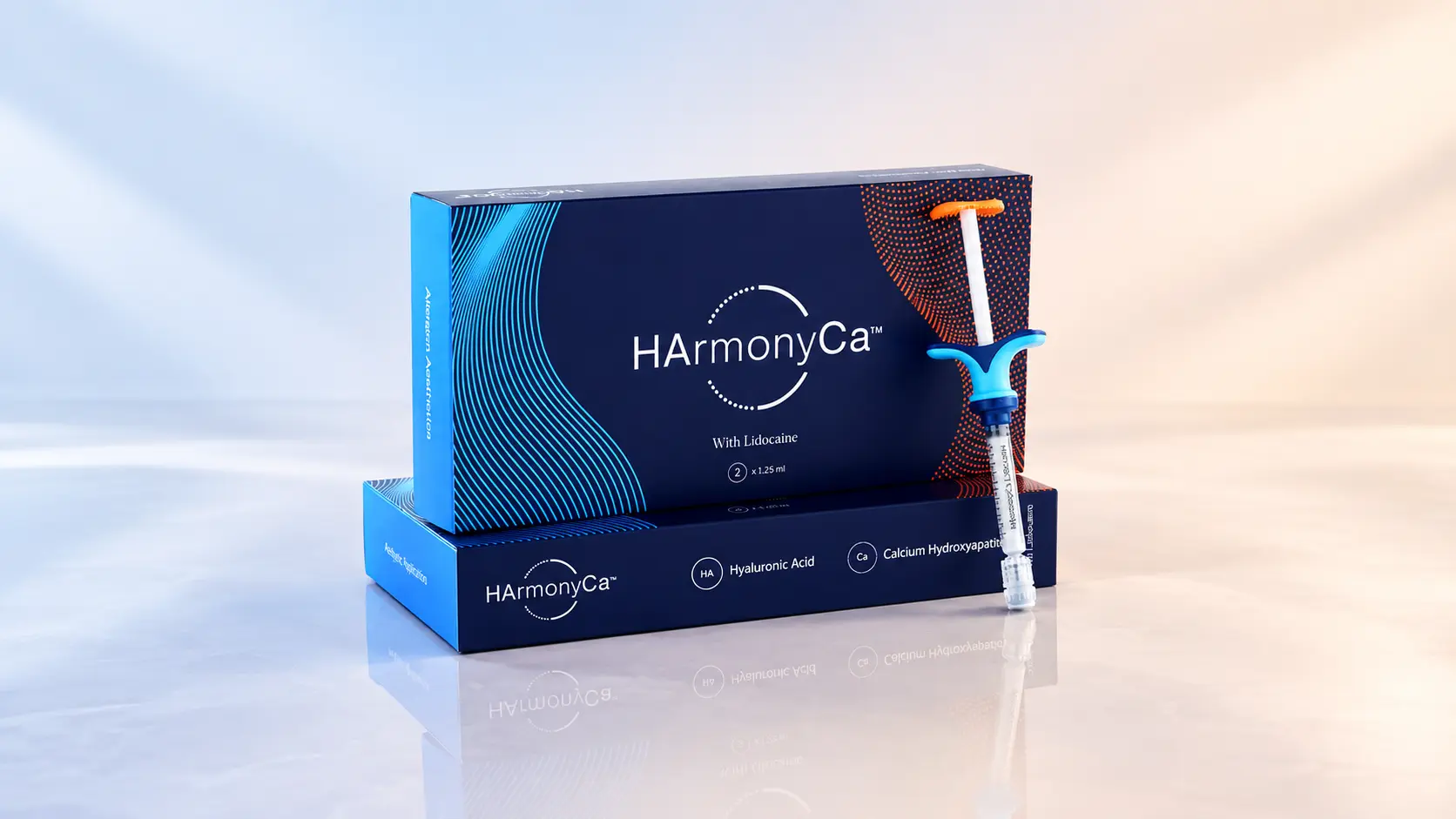
HArmonyCa™ is a hybrid injectable that combines cross-linked hyaluronic acid, or HA, with calcium hydroxyapatite, or CaHA, microspheres. It is designed to provide immediate facial support from HA while CaHA supports gradual collagen remodelling over the following months.[1]
At The Bombay Skin Clinic, we consider HArmonyCa™ only after assessing facial anatomy, skin quality, volume change and laxity. It is not a substitute for surgery and is not automatically suitable for everyone seeking facial lifting or contouring.
What Is HArmonyCa™?
HArmonyCa™ is a dermal filler intended for facial soft tissue augmentation in selected areas of the midface, lateral face and lower face. The HArmonyCa™ Lidocaine formulation contains cross-linked sodium hyaluronate gel, CaHA microspheres and lidocaine to reduce treatment discomfort.[1]
Its main distinction from a conventional HA filler is its dual mechanism. HA provides immediate filling and support, while CaHA acts as a biostimulatory component that can encourage collagen formation over time.
Is HArmonyCa™ a Dermal Filler or a Biostimulator?
HArmonyCa™ is best described as a hybrid dermal filler with biostimulatory properties. The HA component creates an early volumising and supportive effect, while the CaHA component is intended to support gradual collagen remodelling.
A 2025 prospective study of an HA-CaHA hybrid injectable reported improvement in midface volume measures and patient-reported outcomes through 12 months. Individual results and longevity still vary.[2]
What Are Hyaluronic Acid and Calcium Hydroxyapatite in HArmonyCa™?
Hyaluronic acid is a naturally occurring molecule that binds water. In cross-linked filler form, it can add volume and support facial contours. Calcium hydroxyapatite is a biocompatible material used in aesthetic medicine for structural support and collagen biostimulation.
In HArmonyCa™, CaHA microspheres are suspended within the HA gel. Evidence on CaHA-based biostimulators supports improvements in facial volume and elasticity through a combination of mechanical support and tissue remodelling.[3]
What Are the Advantages of HArmonyCa™ Treatment?
The main advantage is that one injectable combines an immediate filler effect with a gradual biostimulatory effect. Potential benefits include:
- Immediate support from the HA component.
- Gradual collagen stimulation from CaHA.
- Support for selected areas of facial volume loss and contour change.
- Potential improvement in firmness as tissue remodelling develops.
- A role within a broader dermatologist-led facial rejuvenation plan.
These benefits do not make HArmonyCa™ better for every concern. Pigmentation, expression lines, marked skin excess and unsuitable treatment areas may require a different approach.
What Concerns and Facial Areas Can HArmonyCa™ Treat?
The product is intended for facial soft tissue augmentation in selected deep dermal and subdermal areas. Its instructions include the midface, lateral face around the jaw ramus or angle, and jawline, while excluding several facial regions.[1]
Facial Volume Loss, Mild Sagging and Reduced Skin Firmness
Facial ageing affects skin, fat compartments, ligaments and bone. Some people therefore develop a combination of reduced support, mild tissue descent and loss of firmness rather than one isolated line.
HArmonyCa™ may be considered when mild to moderate structural change and laxity occur together. It should not be presented as a non-surgical equivalent of a facelift, particularly when significant excess skin or advanced tissue descent is present.
Facial Contouring, Cheek Support and Jawline Definition
HArmonyCa™ can be used in suitable areas where improving support may help the cheek, lateral face or jawline appear more defined. The aim is usually balanced structural support, not simply adding more facial volume.
We assess the face as a whole because extra volume can sometimes make lower-face heaviness more noticeable. Product choice, treatment area and facial proportions all matter.
How Does HArmonyCa™ Work?
HArmonyCa™ works in two phases. The HA gel creates an immediate mechanical effect, while the CaHA microspheres support a slower tissue response associated with collagen formation.
Immediate Structural Support From Hyaluronic Acid
Cross-linked HA occupies space within the treated soft tissue and can produce an early change in support and contour. This makes HArmonyCa™ different from treatments that depend mainly on a delayed collagen response.
The first-day appearance is not the final result because temporary swelling can add fullness. Reassessment after settling is important before considering further correction.
Gradual Collagen Stimulation From Calcium Hydroxyapatite
CaHA microspheres act as a scaffold around which fibroblast activity and new extracellular matrix formation can occur. Research on CaHA-based biostimulators supports a gradual improvement in tissue structure rather than an instant biological change.[3]
The evidence for HArmonyCa™ is encouraging, but it is newer than several established filler categories. Results should therefore be discussed with realistic expectations.
Who Is a Good Candidate for HArmonyCa™?
Suitability depends on anatomy, tissue quality, medical history and goals rather than age alone. It may be considered for adults with facial support or volume changes in appropriate treatment areas.
Who May Be Suitable for HArmonyCa™ Treatment?
- Adults with mild to moderate facial volume loss in suitable areas.
- People with reduced cheek support, softer jawline definition or early laxity.
- Those seeking immediate support with a gradual collagen-stimulating component.
- People with realistic expectations who understand that maintenance may be required.
Previous fillers should always be disclosed because their type, amount and location may affect treatment planning.
Who May Not Be Suitable for HArmonyCa™?
The product instructions list pregnancy, breastfeeding, age below 18, active infection or inflammation at the treatment site, and known sensitivity to product components among the contraindications. They also list autoimmune disease, certain severe allergic histories, impaired wound healing and other medical circumstances requiring exclusion or caution.[1]
HArmonyCa™ is also contraindicated for injection into the nose, lips and perioral region, glabellar area and periocular area.[1] A full medical history is therefore part of deciding whether treatment should proceed or be deferred.
What Is HArmonyCa™ Downtime and Recovery Like?
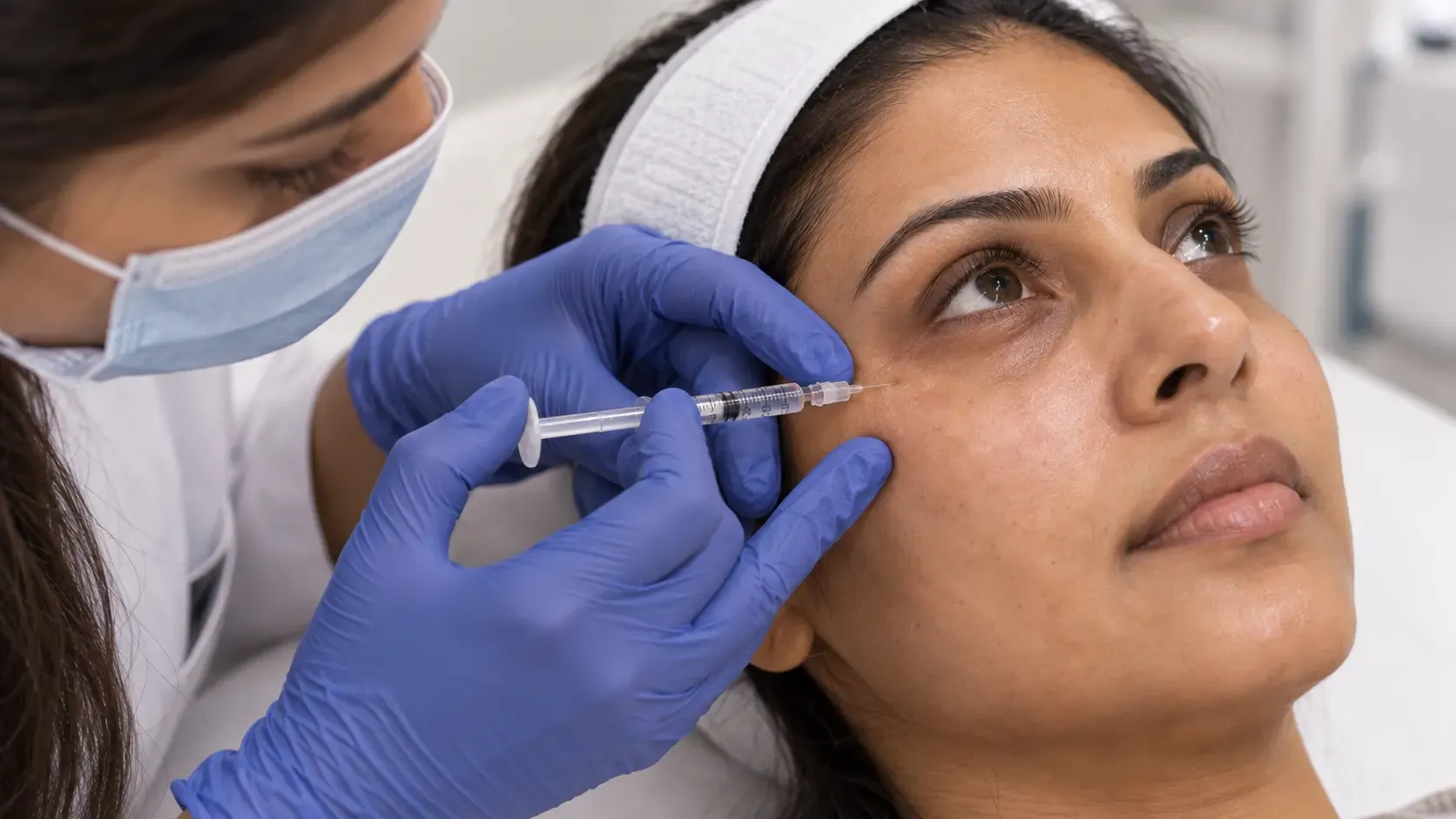
HArmonyCa™ is minimally invasive, but it is still an injectable procedure. Temporary redness, swelling, pain, tenderness, bruising or itching can occur.[1]
What to Expect During the First Few Days
- Mild swelling or puffiness.
- Redness at injection or entry points.
- Tenderness or mild discomfort.
- Bruising in some people.
- Temporary firmness in treated areas.
The instructions note that common site reactions often settle within 24 to 48 hours, while swelling may take longer, sometimes up to a week.[1] Severe, worsening or unusual symptoms need prompt assessment.
When Can You Return to Normal Activities?
Many people resume routine non-strenuous activities soon after treatment, although visible swelling or bruising may last several days. It is sensible not to schedule treatment immediately before an important event.
The product instructions advise avoiding strenuous activity and significant sun or extreme weather exposure for the first 24 hours.[1]
What Results Can You Expect From HArmonyCa™ and When?
HArmonyCa™ has two result timelines. An early contour change can come from HA, while CaHA-related collagen remodelling develops progressively. The final result should not be judged immediately after treatment.
Immediate Changes After Treatment
Some support or contour change may be visible immediately because the HA component occupies space in the treated tissue. Early swelling can exaggerate fullness, so the first few days do not show the settled outcome.
How Results May Develop Over the Following Months
The CaHA component supports collagen remodelling over time. Studies of HArmonyCa™ and CaHA-based biostimulators suggest that tissue-related improvements can continue over several months.[2,3]
Follow-up timing matters because an assessment that is too early may not capture the gradual biostimulatory response.
How Long Do HArmonyCa™ Results Last?
A prospective HArmonyCa™ study reported maintained effectiveness measures through 12 months.[2] Broader systematic review data for CaHA-based biostimulators report effects commonly lasting around 12 to 18 months, although these data include products and protocols beyond HArmonyCa™ itself.[3]
Longevity varies with anatomy, facial movement, metabolism, treatment area and baseline tissue quality.
HArmonyCa™ vs Other Facial Rejuvenation Treatments
HArmonyCa™ is not universally better than another injectable or device. The useful question is which mechanism matches the concern. Filler, collagen biostimulation, skin remodelling and energy-based tightening address different parts of facial ageing.
HArmonyCa™ vs Hyaluronic Acid Dermal Fillers
HA-only fillers are mainly used for immediate volume replacement, contouring or support. HArmonyCa™ also contains HA, but its CaHA component adds a collagen-stimulating element.
A pure HA filler may be preferred when precise localised correction or HA reversibility is especially important. HArmonyCa™ may be considered when structural support and biostimulation are both treatment goals.
HArmonyCa™ vs Sculptra
Sculptra is based on poly-L-lactic acid, or PLLA, and works mainly through gradual collagen biostimulation. HArmonyCa™ combines HA with CaHA, so it provides an earlier filler-related effect alongside later collagen stimulation.
Systematic review evidence supports both PLLA and CaHA as biostimulators, but their material behaviour and treatment planning differ.[3] Neither is automatically superior.
HArmonyCa™ vs Profhilo and Skin Boosters
Profhilo and many skin boosters are generally used with a greater emphasis on hydration, elasticity and skin quality than on structural contouring. HArmonyCa™ is a more structural hybrid filler because it combines cross-linked HA with CaHA microspheres.
Someone with mainly dehydrated or crepey skin may therefore need a different plan from someone with loss of cheek support or jawline definition.
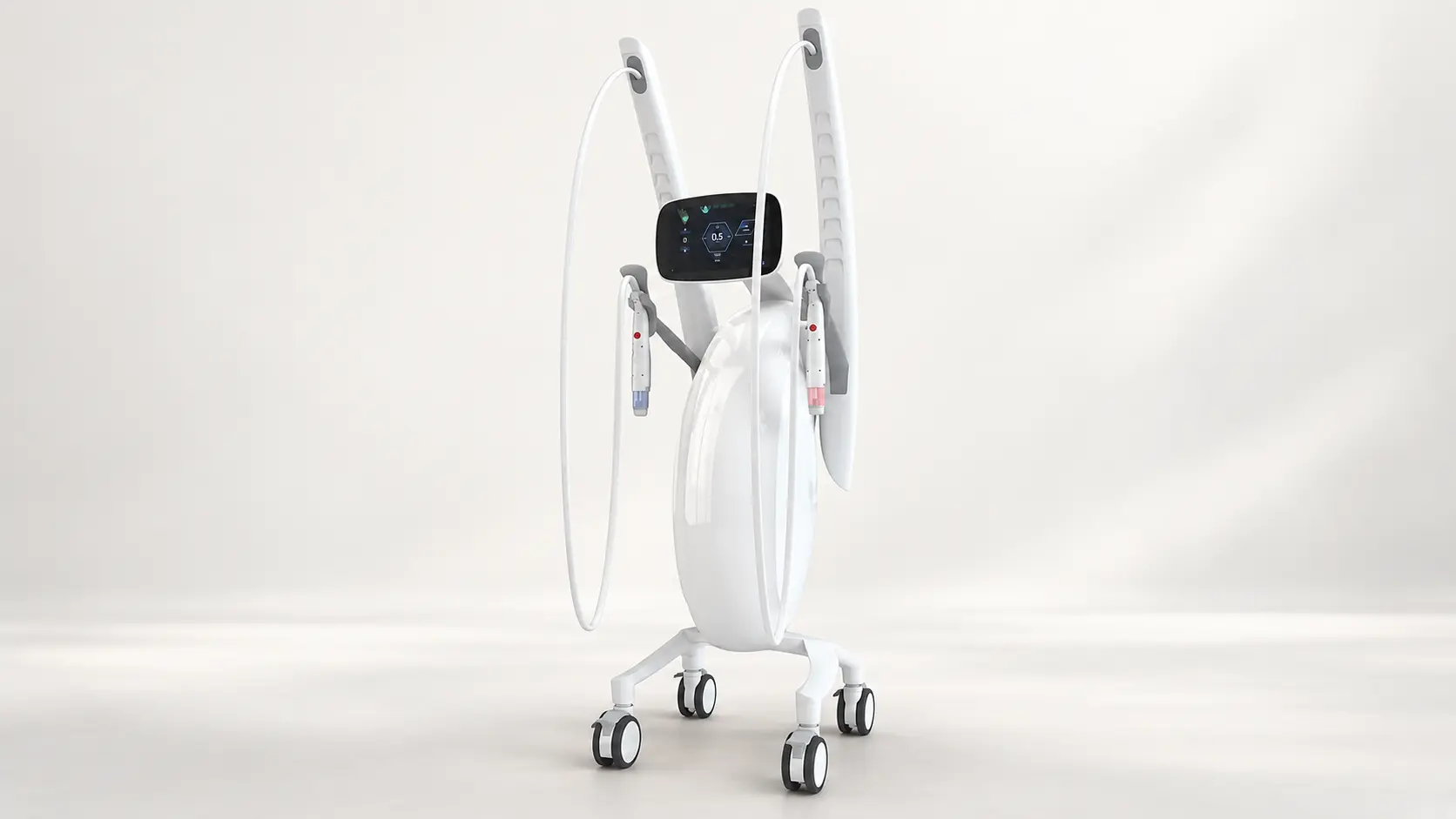
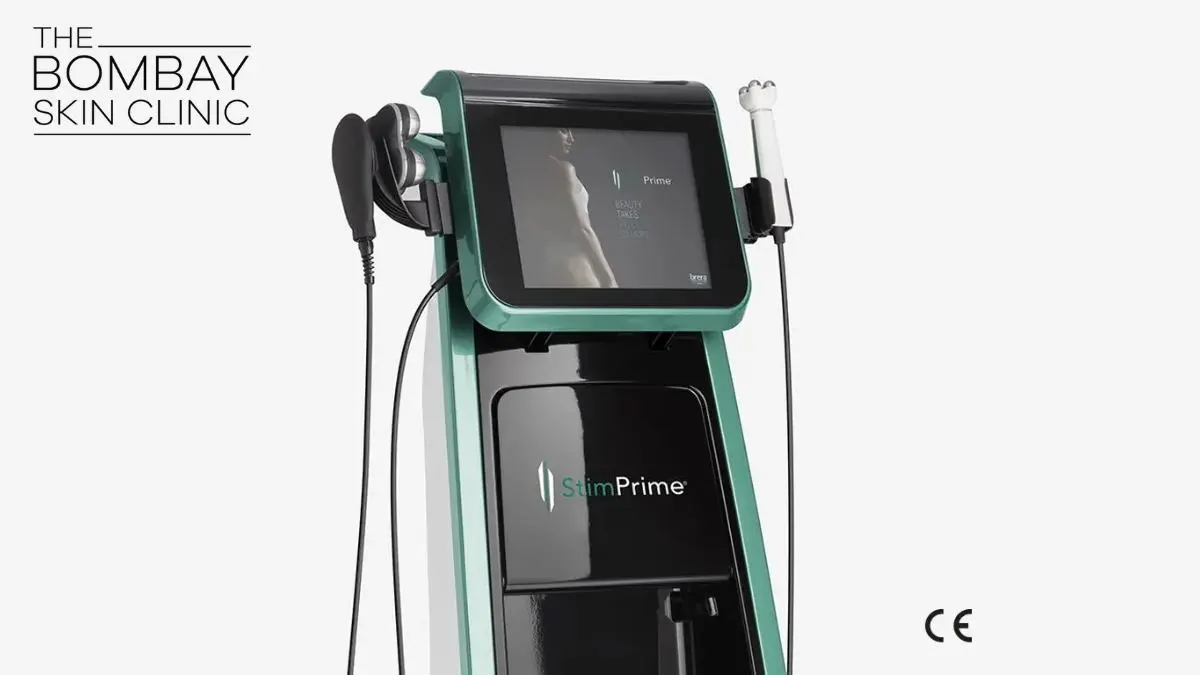
HArmonyCa™ vs HIFU, Ultherapy and Radiofrequency Skin Tightening
HIFU, microfocused ultrasound and radiofrequency are energy-based treatments and do not add filler volume. They deliver controlled energy into selected tissue depths to encourage tightening and remodelling. Systematic reviews support a role for focused ultrasound in skin laxity while noting variation in protocols and outcomes.[5]
HArmonyCa™ may be more relevant when structural support and volume loss are part of the problem. Energy-based treatment may be preferred when tightening without adding volume is the priority. In selected cases they may be complementary, with timing planned by the treating dermatologist.
If another treatment matches the concern more directly, we may recommend that instead.
Frequently Asked Questions About HArmonyCa™
Is HArmonyCa™ a filler or a collagen-stimulating treatment?
It is both. HArmonyCa™ combines cross-linked hyaluronic acid for immediate soft tissue support with calcium hydroxyapatite microspheres that have biostimulatory properties.[1] This dual mechanism distinguishes it from an HA-only filler.
How long does HArmonyCa™ take to stimulate collagen?
Collagen remodelling develops over weeks to months rather than immediately. Published HArmonyCa™ research shows continued changes during follow-up, while the early visible effect comes mainly from the filler component.[2] Individual response varies.
What is the difference between HArmonyCa™ and Sculptra?
HArmonyCa™ contains HA plus CaHA, combining early structural support with biostimulation. Sculptra is based on PLLA and is mainly used for gradual collagen stimulation. Both have roles in facial rejuvenation, but their composition and treatment planning differ.[3]
Can HArmonyCa™ be dissolved like a hyaluronic acid filler?
Not in the same way as a pure HA filler. Hyaluronidase acts on hyaluronic acid, but it does not provide rapid reversal of the CaHA component. HArmonyCa™ should therefore not be viewed as fully dissolvable like many HA-only fillers.[6]
How much downtime should I expect after HArmonyCa™?
Temporary swelling, redness, tenderness or bruising may be visible for several days. The official product information notes that common local reactions often settle within 24 to 48 hours, while swelling can take up to about a week.[1]
Can HArmonyCa™ be combined with other facial treatments?
It may be part of a combined plan, but timing needs medical planning. The product instructions state that safety with some concomitant dermal therapies has not been established in controlled trials and advise spacing certain ultrasound, laser and peeling procedures from treatment.[1]
Citation Sources
References:
- Panaxia Ltd. HArmonyCa™ Lidocaine F206 Instructions for Use. Product Instructions for Use. 2026. https://d3dpg17xutv1of.cloudfront.net/0386edc4-2c1e-4030-b22b-8c2d0fde1b14/e1fb37c7-61ba-4998-910f-52f791a03805/e1fb37c7-61ba-4998-910f-52f791a03805_source__v.pdf
- Gritti A, Salomon M, Elmaleh L, Kerson G, Schumacher A. A Prospective, Open-Label, Post Marketing Study of the Safety and Effectiveness of a Hyaluronic Acid and Calcium Hydroxyapatite Hybrid Injectable. Journal of Cosmetic Dermatology. 2025;24(9):e70430. https://pubmed.ncbi.nlm.nih.gov/40948024/
- Ferreira ACM, Silva LR, Espasandin I, et al. Efficacy, Durability, and Safety of Collagen Biostimulators Based on Poly-L-Lactic Acid (PLLA) and Calcium Hydroxyapatite (CaHA) in the Face: A Systematic Review. Aesthetic Plastic Surgery. 2025. https://pubmed.ncbi.nlm.nih.gov/41184662/
- Braz A, Colucci L, Macedo de Oliveira L, et al. A Retrospective Analysis of Safety in Participants Treated with a Hybrid Hyaluronic Acid and Calcium Hydroxyapatite Filler. Plastic and Reconstructive Surgery Global Open. 2024;12(2):e5622. https://pubmed.ncbi.nlm.nih.gov/38348461/
- Haykal D, Sattler S, Verner I, Madhumita M, Cartier H. A Systematic Review of High-Intensity Focused Ultrasound in Skin Tightening and Body Contouring. Aesthetic Surgery Journal. 2025;45(7):690-698. https://pubmed.ncbi.nlm.nih.gov/40184185/
- Wollina U, Goldman A. Spontaneous and Induced Degradation of Dermal Fillers: A Review. Journal of Cutaneous and Aesthetic Surgery. 2024;17(4):273-281. https://pubmed.ncbi.nlm.nih.gov/39649762/
MEDICALLY REVIEWED BY
Dr. Batul Patel (Dermatologist)
Medical Director – The Bombay Skin Clinic
Dr. Batul Patel is an award-winning celebrity dermatologist with over 20 years of experience. She was honoured as “Dermatologist of the Year 2026” by Financial Express and “Dermatologist of the Year 2023” by The Economic Times. She also served as a jury member at the Vogue Beauty & Wellness Honours 2026. View profile