

Dr. Batul Patel (Dermatologist)
Medical Director – The Bombay Skin Clinic
Dr. Batul Patel is an award winning certified dermatologist, honoured as the “Dermatologist of the Year 2023” at the national level by The Economic Times. View profile
What Are Crow’s Feet | Treatment Options | Downtime & Results | Treatment Cost | Common Questions
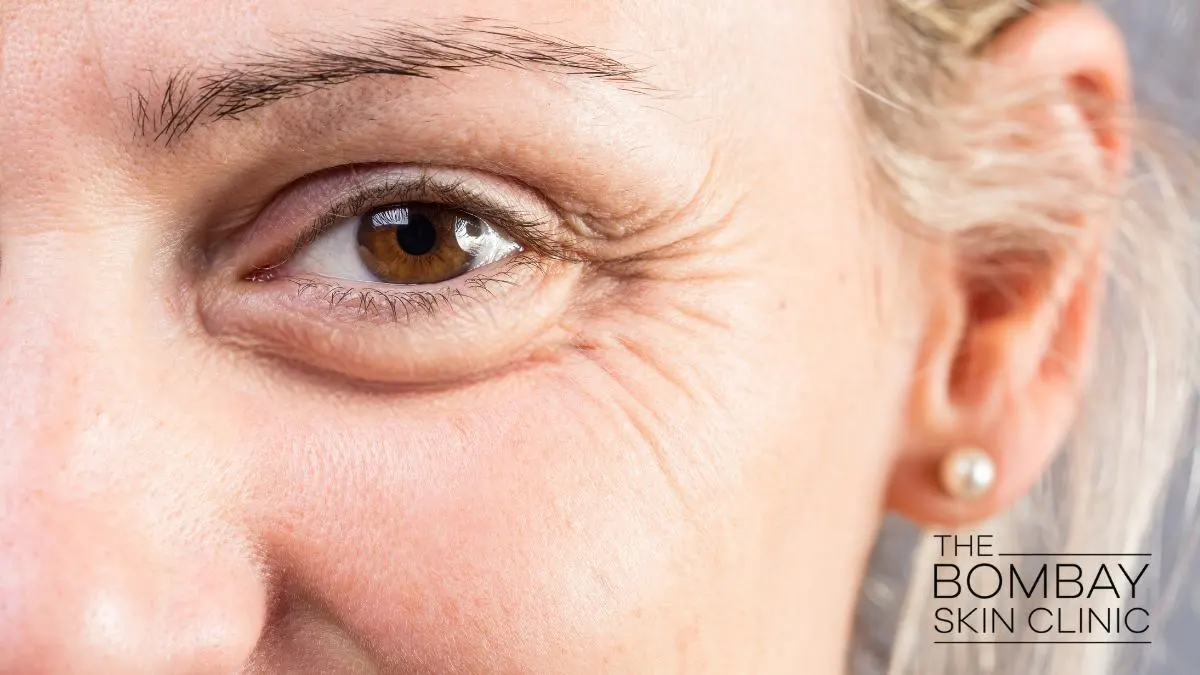
Crow’s feet are the fine lines that form at the outer corners of the eyes. They often begin as expression lines that show up when you smile, squint, or laugh, and over time they may remain visible even at rest.
At The Bombay Skin Clinic, we usually see crow’s feet as a combination concern rather than a single-line problem. Muscle movement, thinning skin, collagen loss, and sun exposure can all play a role. That is why the right treatment in Mumbai is not always the same for everyone. It is a dermatologist-led plan based on how your lines behave, your skin quality, and how much downtime you can manage.
What are crow’s feet?
Crow’s feet are fine lines and wrinkles that develop beside the eyes. In the early stages, they are usually dynamic, which means they appear more when the muscles around the eyes contract during smiling or squinting. Later, they can become static, which means they start to stay visible even when the face is relaxed.[1,2]
This eye area ages early because the skin is thin, mobile, and exposed to repeated movement. The treatment approach therefore depends on whether the main problem is muscle activity, skin texture, early laxity, sun damage, or volume loss around the upper cheek and temples.[3]
Why do crow’s feet develop around the eyes?
The most common reasons are repeated facial expression, gradual collagen decline, and daily ultraviolet exposure. Natural ageing changes the support structure of the skin, while sun damage can make fine lines appear earlier and look more etched.[1,3]
- Repeated smiling and squinting increase muscle-driven creasing.
- Collagen and elastin decline with age, so the skin does not spring back as easily.
- Sun exposure accelerates textural ageing around the eyes.
- Dehydration, smoking, stress, and poor sleep can make lines look more obvious.
- Some people are simply more prone because of genetics and facial movement patterns.
What are the advantages of treating crow’s feet early?
Early treatment is usually about softening movement lines before they become deeply etched. It can also help you maintain a fresher look with smaller, more tailored interventions rather than waiting until several concerns need to be addressed together.
- Dynamic lines may soften more easily when treated before they become deeper resting lines.
- A dermatologist can choose a lighter, more preventive plan when the skin changes are still early.
- Combination plans can be staggered more comfortably, with less disruption to work and social routines.
- Many patients prefer subtle maintenance over trying to correct multiple ageing changes at once.
- Early assessment also helps rule out related concerns such as under-eye hollowness, skin laxity, or sun damage that may need a different approach.
Who is a good candidate for crow’s feet treatment?
Suitability depends on the type of lines you have and your treatment goals. Some patients mainly want movement lines softened. Others want a broader rejuvenation plan for texture, skin quality, and the outer eye area.
- Adults with dynamic crow’s feet that become obvious while smiling or squinting.
- Patients with early to moderate fine lines around the eyes who want a non-surgical approach.
- People looking for subtle refreshment rather than a dramatic or artificial change.
- Patients willing to follow aftercare, sun protection, and realistic maintenance timelines.
- Those open to an in-clinic assessment if the concern is actually a mix of crow’s feet, under-eye creasing, cheek volume loss, or laxity.
Who may need to postpone or avoid treatment?
Some patients need treatment delayed, modified, or avoided depending on the procedure being considered. The periocular area is delicate, so safety screening matters.
- Pregnant or breastfeeding patients are generally advised to defer injectable cosmetic procedures unless specifically cleared by their treating doctor.
- Anyone with a local skin infection, active irritation, or uncontrolled eczema around the treatment area should wait.
- Patients with certain neuromuscular disorders, relevant allergy history, or previous significant treatment reactions need careful review before botulinum toxin treatment.[2,4]
- People with a tendency to heal poorly, recent sunburn, or medication factors that raise bruising risk may need timing adjustments.
- Patients expecting a one-time, permanent fix usually need counselling because crow’s feet management is maintenance-based, not curative.[1,2]
How does crow’s feet treatment work?
The treatment works by matching the cause of the lines to the right intervention. If the lines are mainly dynamic, botulinum toxin is often the first-line option because it reduces the repetitive muscle pull that creates creasing.[1,2]
If the skin is texturally aged or sun-damaged, energy-based treatments and skin-quality treatments may be added to support collagen remodelling and smoother texture. If the eye area also looks hollow or tired, the plan may need to address surrounding support rather than only the lines themselves.[3]
Which treatments can help crow’s feet at The Bombay Skin Clinic?
Botox for dynamic crow’s feet
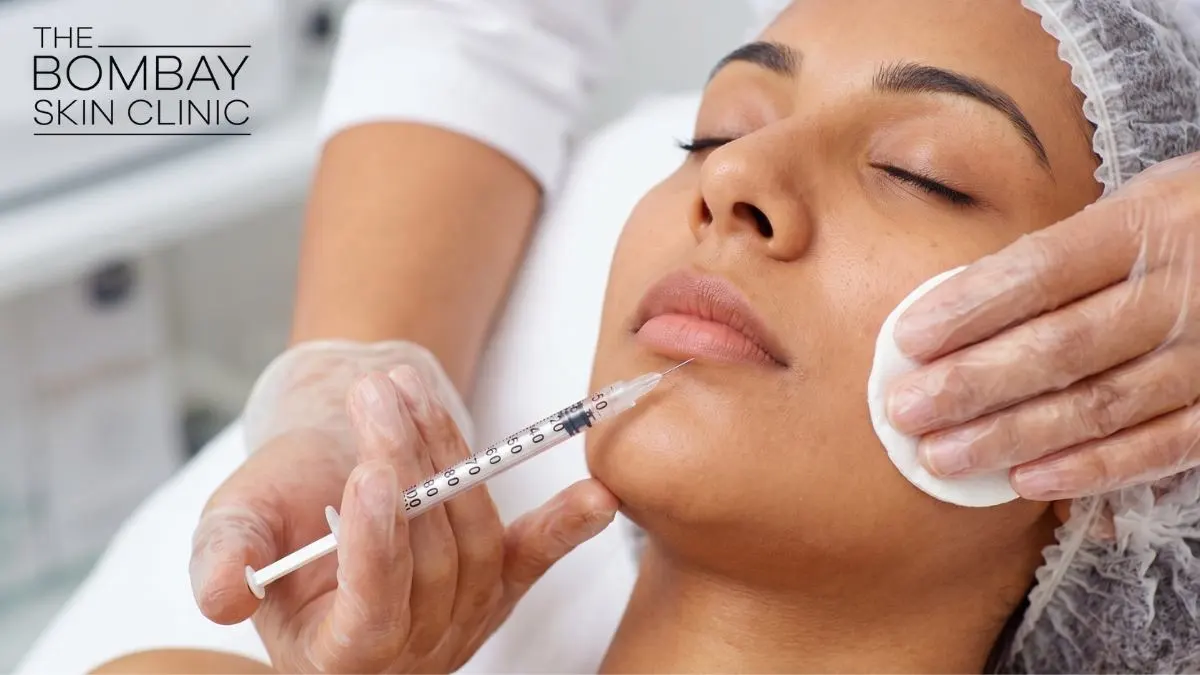
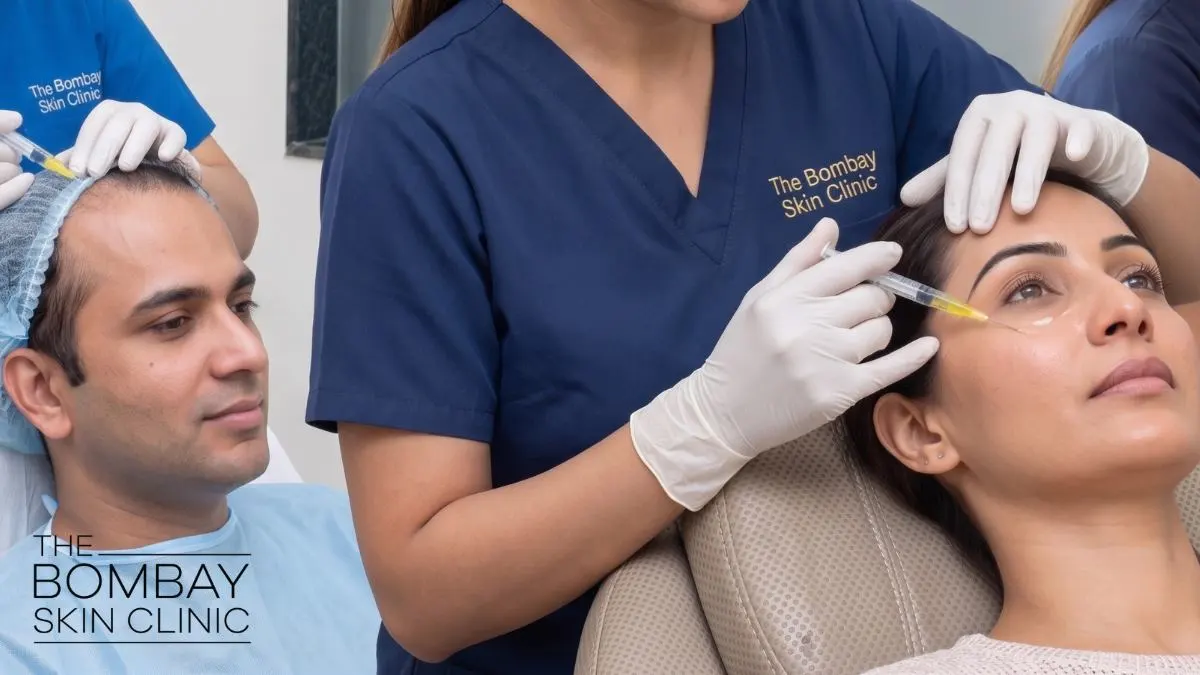
For lines that deepen with smiling and repeated movement, Botox is often the most direct option. It temporarily reduces the activity of the muscles responsible for dynamic crow’s feet, helping the lines look softer and the eye area more relaxed.[1,2]
This option is especially useful when movement is the main driver. It is not a filler, and it does not add volume. In well-planned hands, the goal is usually to soften overactive creasing while keeping expression natural.[5]
Skin boosters or fillers when volume loss is also present
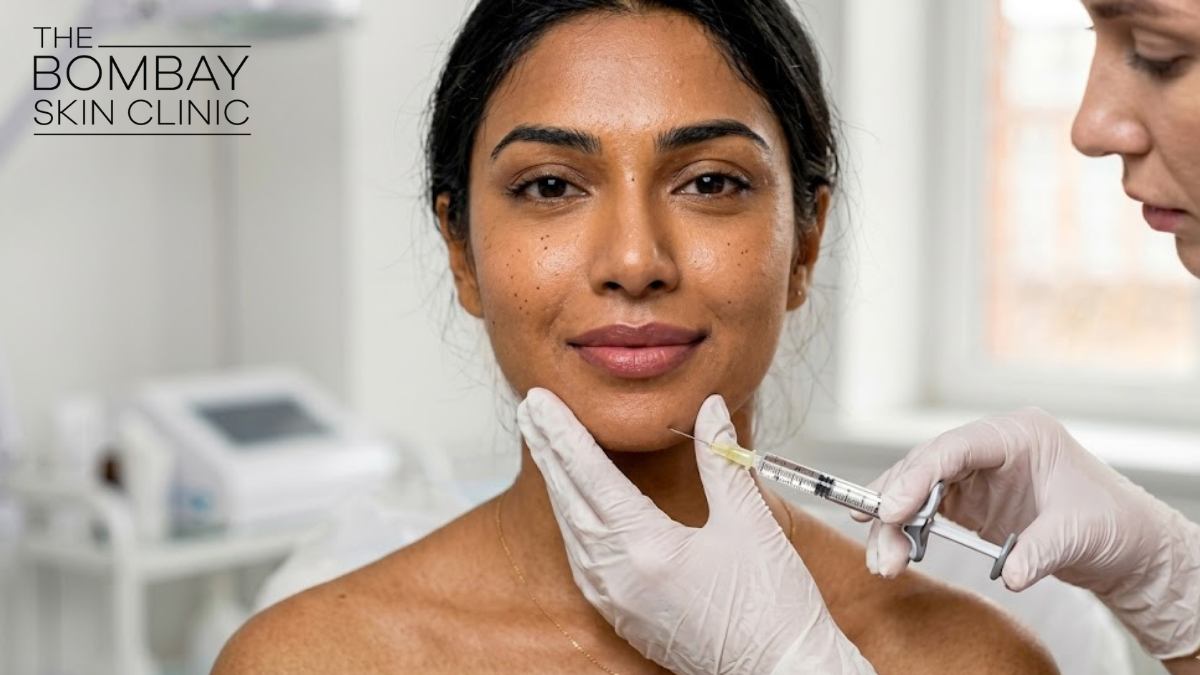
Some patients who ask for crow’s feet treatment actually have a wider periorbital concern. If there is upper cheek flattening, temple hollowing, or support loss around the eye, skin boosters or carefully selected fillers may be considered as adjunctive options after assessment. Treatments like Profhilo skin booster can support hydration and skin quality in the periorbital area.
These do not replace Botox when muscle movement is the main issue. Instead, they may support hydration, skin quality, or surrounding structure in selected patients. Because the eye area is highly nuanced, this decision should be dermatologist-led and conservative.
Laser and energy-based treatments for texture and fine lines
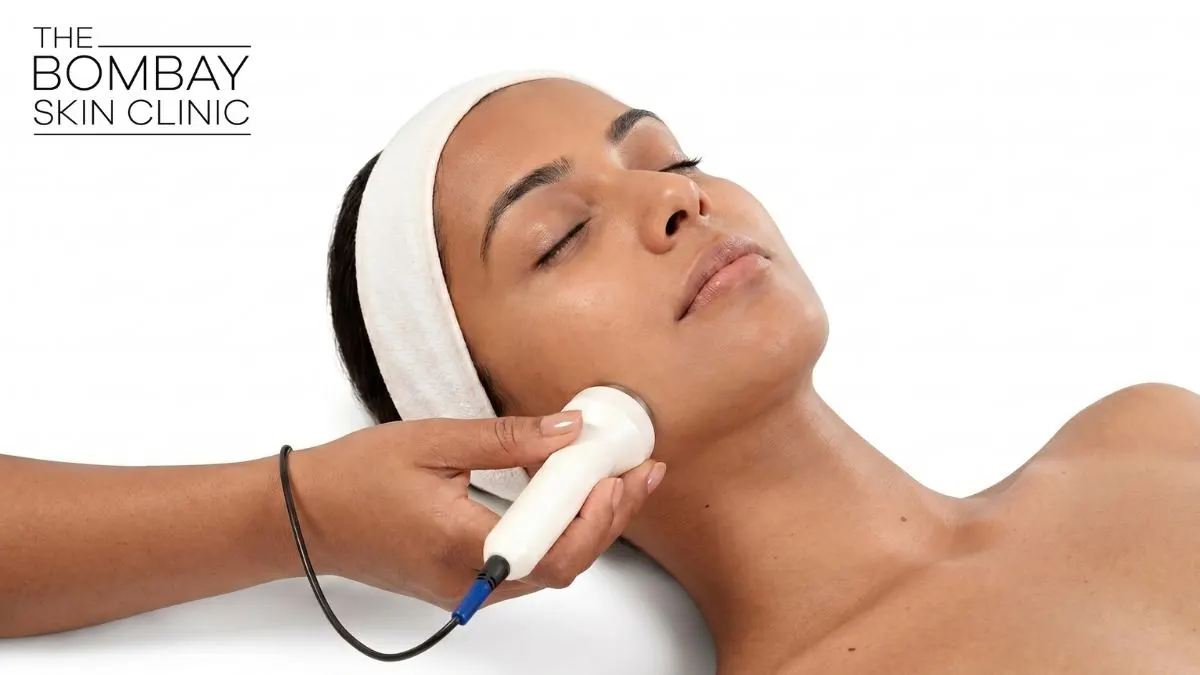
If the lines are more static, textural, or linked to sun damage, a laser facial treatment can play a supportive role, improving skin texture and stimulating remodelling in the periorbital area. The best choice depends on skin type, downtime tolerance, and how close to the lash line treatment is planned.[3,6]
For Indian skin, treatment selection needs caution. The right settings, spacing, and aftercare matter because aggressive resurfacing near the eyes is not suitable for everyone. In many patients, these treatments work best as part of a staged plan rather than a single-session expectation.
Medical skincare and prevention support
Medical skincare is not a replacement for in-clinic treatment when crow’s feet are established, but it remains important. Sun protection, barrier-supportive skincare, and actives selected for your tolerance can help support results and reduce further textural ageing.[3]
We usually position skincare as supportive care. It helps maintain skin quality, but it cannot fully switch off the muscle activity that drives dynamic crow’s feet.
How many sessions are usually needed?
There is no one-session answer for all types of crow’s feet. The course depends on whether your lines are mainly dynamic, static, or mixed.
- For Botox-based treatment, patients usually need a single session followed by periodic maintenance, because the effect is temporary.[1,2]
- For lasers or skin-quality treatments, a short course of multiple sessions may be advised, often spaced several weeks apart depending on the platform and the skin response.[3,6]
- For combination plans, treatment may be staged so that movement is addressed first, followed by texture or support if still needed.
During consultation, we usually explain the expected course rather than promising a fixed number of visits for everyone.
What is the usual downtime after crow’s feet treatment?
Downtime varies by treatment. Injectable treatment for dynamic crow’s feet usually has minimal downtime, though mild redness, swelling, or small bumps at injection points can happen for a short time. Occasional bruising is possible.[2,4]
Laser and resurfacing-based treatments generally involve more visible recovery. Depending on the modality, you may notice redness, dryness, tightness, or flaking for a few days. Stronger resurfacing usually means more downtime than lighter rejuvenation sessions.[3,6]
If you have an event, wedding function, or travel coming up in Mumbai, timing should be discussed in advance because even mild swelling can matter socially.
What results can you realistically expect, and when?
With Botox-based treatment, lines caused by movement generally begin to soften over the first several days, with fuller effect commonly seen within about two weeks. The result is temporary and maintenance-based.[1,2]
Static lines do not always disappear fully with Botox alone, especially if they are already etched at rest. In those cases, improvement may be partial unless skin quality is also addressed. Laser and collagen-focused treatments usually improve texture more gradually over a series and over the following weeks to months as remodelling develops.[3,6]
Realistic expectations matter. The usual goal is a softer, fresher eye area with more refined lines, not a frozen or overly tight look. The best result is often one that looks natural in conversation, photographs, and day-to-day movement.[5]
Crow’s feet treatment vs under-eye treatment, what is the difference?
Crow’s feet treatment focuses on the lines at the outer corners of the eyes. Under-eye treatment addresses a different set of concerns such as hollowness, crepiness, pigmentation, puffiness, or fine creasing directly below the eye. These are not interchangeable problems. If you are concerned about hollowness or pigmentation under the eyes, our dark circles treatment in Mumbai addresses those specific concerns separately.
If your main issue appears under the eyes rather than beside them, Botox may not be the central solution. Many patients need a more layered plan that distinguishes movement lines from skin quality and support loss.
Crow’s feet treatment vs forehead and frown line treatment
These three areas are often treated together, but they are not identical. Crow’s feet are driven by the muscles around the eyes, forehead lines by the frontalis muscle, and frown lines by the glabellar complex. The anatomy and balance between these areas matter.[1,5]
This is why treatment should not be copied from someone else’s face. A plan that is right for forehead lines may not be right for the outer eye area, and over-treating one zone without considering the others can make movement look imbalanced.
Crow’s feet treatment vs laser resurfacing, peels and microneedling
If the lines are mainly dynamic, Botox usually addresses the cause more directly because it targets movement. Laser resurfacing, peels, and microneedling treatment are more useful when texture, sun damage, or static fine lines are part of the picture. They can improve skin quality, but they do not replace a muscle-relaxing approach when expression-driven creasing is the dominant issue.[1,3,6]
In practice, the better question is often not which treatment is better overall, but which treatment is better for your type of crow’s feet. A mixed-pattern patient may do best with a staged combination approach rather than a single modality.
How much does crow’s feet treatment cost at The Bombay Skin Clinic?
The cost depends on the treatment selected, the extent of the concern, whether you are treating crow’s feet alone or combining areas, and whether supportive laser or skin-quality procedures are part of the plan.
At The Bombay Skin Clinic, indicative pricing for focused crow’s feet treatment plans may start from around ₹15,000, while combination and device-based plans vary after assessment. Exact pricing depends on the treatment selected and the complexity of your anatomy.
We usually explain cost in the context of outcomes, maintenance, and whether one area or a broader upper-face strategy makes more sense.
Frequently Asked Questions
How long does crow’s feet treatment last?
For botulinum toxin treatment, the effect is temporary and commonly lasts a few months before movement gradually returns. The exact duration varies with individual muscle activity, metabolism, and treatment pattern.[1,2] Skin-quality procedures work on a different timeline and often need a course plus maintenance.
What is the best treatment for crow’s feet, Botox, laser or fillers?
There is no universal best treatment. Botox is often best when the lines are mainly dynamic. Laser or resurfacing options can support static fine lines and texture. Fillers or skin boosters may be considered only when support loss or skin quality is also part of the concern. The right answer depends on your eye-area anatomy and goals.[1,3]
Can crow’s feet be treated if I have sensitive skin?
Often yes, but the treatment choice matters. Sensitive skin may still be suitable for injectable treatment, while resurfacing and stronger actives need more careful selection and aftercare. This is one reason a dermatologist-led plan is important, especially for the periocular area.
Is there an ideal age to start crow’s feet treatment?
There is no fixed ideal age. Some patients seek treatment when lines are visible only on expression, while others wait until the lines remain at rest. The better marker is not age alone, but the pattern of the lines, the condition of the skin, and how bothered you are by the change.
Will I look unnatural after treatment?
Well-planned treatment should aim for softer lines, not an artificial look. Natural results depend on correct diagnosis, conservative planning, and attention to how the eye area moves with the rest of the upper face.[5]
Can I combine crow’s feet treatment with other anti-ageing treatments?
Yes, many patients combine it with treatment for forehead lines, frown lines, skin texture, pigmentation, or overall rejuvenation. Combination planning should be structured rather than rushed, because the best sequencing depends on what is causing the ageing change and how much downtime you can manage. Skin quality treatments like Rejuran treatment in Mumbai can complement a crow’s feet plan when texture or skin quality is also a concern.
Sources
References
- American Academy of Dermatology Association. Botulinum toxin therapy: Overview. Available from: https://www.aad.org/public/cosmetic/wrinkles/botulinum-toxin-overview
- U.S. Food and Drug Administration. BOTOX Cosmetic (onabotulinumtoxinA) for injection, for intramuscular use. Prescribing information. Available from: https://www.fda.gov/media/77359/download
- Russel SM, Fabi SG, Saedi N, et al. Periorbital rejuvenation in the clinic: A state-of-the-art review. J Cosmet Dermatol. Available from: https://pmc.ncbi.nlm.nih.gov/articles/PMC10541170/
- Padda IS, Tadi P. Botulinum Toxin. StatPearls. Available from: https://www.ncbi.nlm.nih.gov/books/NBK557387/
- American Academy of Dermatology Association. Botulinum toxin therapy: FAQs. Available from: https://www.aad.org/public/cosmetic/wrinkles/botulinum-toxin-faqs
- Badawi A, Osman A. Periocular rejuvenation using a unique non-ablative long-pulse 2940 nm Er:YAG laser. J Cosmet Dermatol. Available from: https://pmc.ncbi.nlm.nih.gov/articles/PMC8918125/
Dr. Batul Patel (Dermatologist)
Medical Director – The Bombay Skin Clinic
Dr. Batul Patel is an award winning certified dermatologist, honoured as the “Dermatologist of the Year 2023” at the national level by The Economic Times. View profile