

Dr. Batul Patel (Dermatologist)
Medical Director – The Bombay Skin Clinic
Dr. Batul Patel is an award winning certified dermatologist, honoured as the “Dermatologist of the Year 2023” at the national level by The Economic Times. View profile
What Is Emfusion | Emfusion Benefits | Good Candidate | How It Works | Sessions Needed
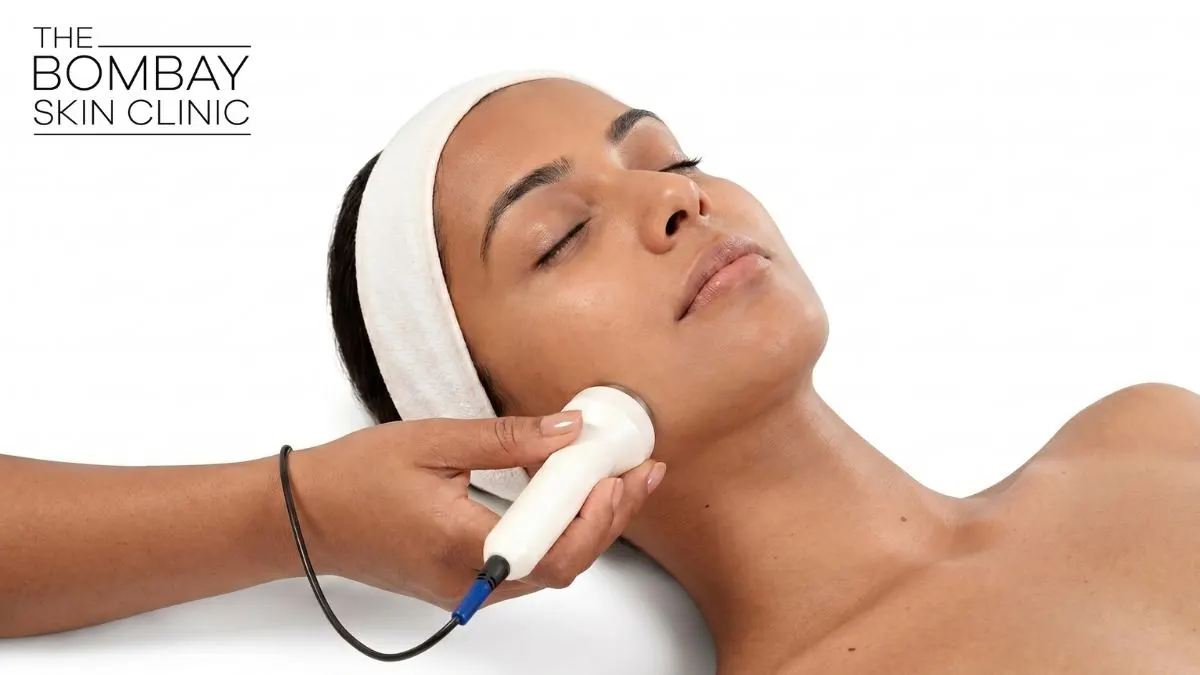
Emfusion is a non-invasive facial treatment by BTL that focuses on one of the most important parts of skin health, the skin barrier. In simple terms, the skin barrier is the outer protective layer that helps reduce water loss and protects against daily triggers such as heat, pollution, friction, irritants and overuse of harsh products. When this barrier is compromised, skin can look dull, feel tight, become easily irritated and recover more slowly. [1][2]
Emfusion is generally described as a supportive skin treatment, not as a one-size-fits-all answer for every skin concern. In appropriately selected cases, and under qualified dermatologist oversight, it may be considered within a broader plan for hydration, comfort, glow and skin recovery. In a city like Mumbai, where humidity, sweat, UV exposure, pollution and active social schedules can all affect skin behaviour, low-downtime options are often of practical interest. [1][3]
What is Emfusion?
A quick introduction to BTL Emfusion
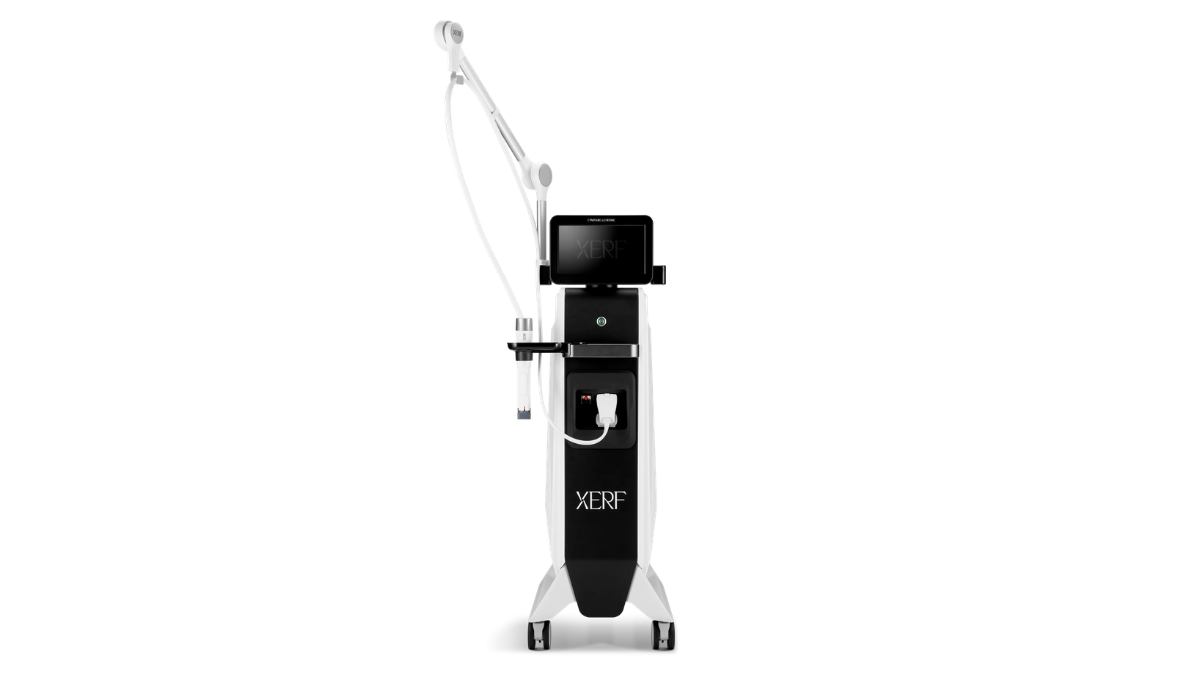
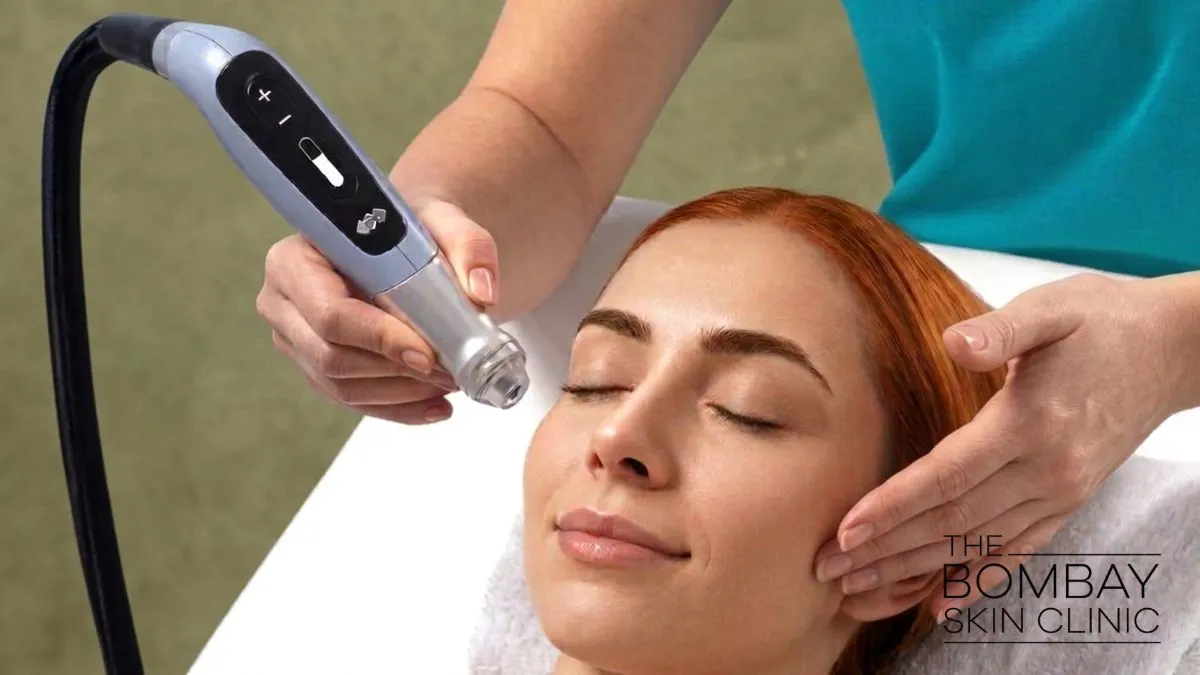
Emfusion is a BTL technology designed around skin longevity and skin barrier support. The manufacturer describes it as a treatment that combines its DYNAMiQ platform with a specially formulated blend of active substances to support skin barrier function and improve the look and feel of the skin. [1]
That means Emfusion is less about aggressive resurfacing and more about helping the skin handle stress better. It is generally discussed for concerns such as dehydration, dullness, skin that feels easily irritated, and situations where a patient wants a fresh, more comfortable look without the downtime commonly associated with stronger procedures. [1][2]
Why skin barrier health matters, especially in Mumbai
The skin barrier helps hold water in and keeps irritants out. When it is disrupted, people often notice tightness, flaking, redness, stinging, rough texture or a “tired” appearance. Scientific reviews on epidermal barrier function consistently show that barrier damage is linked to increased transepidermal water loss and greater sensitivity to environmental triggers. [2][3]
For many people in Mumbai, the challenge is not just one factor. It is a mix of heat, indoor air-conditioning, pollution exposure, frequent cleansing, active ingredients used at home, make-up, shaving, travel and event-driven skincare habits. This is why barrier-focused treatments can become relevant, especially when considered after an assessment by a qualified dermatologist rather than based only on trend-driven demand.
What are the advantages of Emfusion?
Key benefits for hydration, barrier support and skin comfort
- It is non-invasive and needle-free, which may appeal to patients who want a lighter-touch treatment path. [1][4]
- It is designed to support hydration and barrier comfort, so it may be considered for skin that feels dry, stressed or easily reactive. [1][2]
- It usually fits well into busy schedules because the treatment is generally brief and associated with little or no downtime in suitable candidates. [1]
- It can be discussed as an adjunct option when the goal is to improve skin feel, surface comfort and overall freshness rather than perform a high-intensity correction in one sitting.
- When considered under qualified dermatologist supervision, it can be planned more carefully around existing routines, recent treatments and realistic goals.
Who is Emfusion suitable for?
Who may benefit from this treatment
- People with dehydrated, dull or tight-feeling skin who want a low-downtime refresh.
- Patients who describe their skin as easily irritated, especially after over-exfoliation, frequent cosmetic procedures or an intense at-home routine.
- Those looking for a supportive skin treatment before a function or social event, provided the timing is planned sensibly.
- Patients who prefer non-invasive facial options and want a treatment that feels more comfortable than more aggressive resurfacing.
- Some patients in a recovery phase after dermatologist-selected procedures may be assessed for barrier-supportive treatments, but this should be individualised and not assumed. [2][3]
Who may need caution or a different treatment plan
- Anyone with active skin infection, open wounds, severe irritation, active dermatitis flare, or significant sunburn on the treatment area should usually wait until the skin settles.
- Patients with uncontrolled inflammatory skin conditions, recent strong procedures, or unexplained facial redness need proper evaluation before proceeding.
- People with implantable electronic devices, specific medical conditions, pregnancy or other treatment-related restrictions may need caution depending on the final protocol and device guidance.
- If the main concern is deep acne scarring, significant laxity, marked pigmentation or heavy textural change, Emfusion alone may not be the most suitable primary option.
Treatment decisions should be based on what the skin actually needs, not on forcing every concern into one device category. That is especially important in dermatology, where two people with “dull skin” can have completely different underlying reasons.
How does Emfusion work?
The science behind the treatment
The outermost layer of the skin is designed to regulate what passes in and out. That is helpful for protection, but it also limits how much benefit many topical products can deliver. One of the established scientific principles used in transdermal delivery is electroporation, where short electrical pulses temporarily increase skin permeability, allowing better passage of selected molecules across the barrier. Reviews of skin electroporation describe this mechanism as temporary and non-invasive when applied appropriately. [4]
BTL’s Emfusion is presented by the manufacturer as a system that uses DYNAMiQ technology alongside active ingredients intended to support barrier formation and skin protection. In practical terms, that means the treatment is designed to work with the skin surface rather than mechanically injure it. [1]
How Emfusion supports the skin barrier and ingredient delivery
Skin barrier science is important here. A healthy barrier helps maintain hydration, reduce water loss and improve tolerance to everyday exposures. Reviews on barrier function and moisturization note that supporting the stratum corneum can improve skin comfort and reduce the cycle of dryness and irritation. [2][3]
That is why Emfusion is better understood as a supportive technology for skin quality and comfort, not as a substitute for diagnosis, not as a replacement for prescription treatment when that is needed, and not as a standalone answer for every sign of skin ageing. Where evidence is mixed or highly device-specific, it is more accurate to frame it as an adjunct option that may complement a broader skincare or procedural plan.
How many sessions are usually needed?
Typical session plan
There is no single fixed number that suits everyone. In practice, some patients may choose a single session when the priority is hydration support and fresh-looking skin before an event. Others may be advised a short course spaced over a few weeks when the goal is more consistent support for barrier comfort and skin quality.
The appropriate plan depends on baseline skin condition, sensitivity, home-care routine, the season, and whether Emfusion is being considered alone or as part of a broader dermatology plan. It is sensible to avoid overpromising “package results” because skin response is personal.
Maintenance and follow-up planning
Maintenance, where relevant, is usually considered only after initial skin response is assessed. Some people prefer occasional sessions, while others may do better with a structured maintenance rhythm around weather changes, travel, events or phases of increased skin stress. Follow-up can be especially relevant in people with sensitive skin, a compromised barrier, or a history of reacting to many products.
Is there any downtime after Emfusion?
What to expect immediately after the session
For suitable patients, downtime is usually minimal. The skin may look fresher, feel smoother and more hydrated soon after treatment. Mild transient redness can occur in some people, especially if the skin was already sensitive. Most patients do not experience the kind of peeling or social downtime commonly seen with stronger resurfacing procedures.
When you can return to work, social plans and make-up
Many people can return to work or routine indoor activity on the same day. Make-up timing depends on how the skin looks and feels after the session and on individual post-treatment guidance. If the skin is very reactive, or if Emfusion is being layered into a larger treatment plan, a short period of caution before events or heavy make-up may still be sensible.
For weddings, shoots or public appearances, it is usually sensible to plan ahead rather than treat at the last minute. Even low-downtime treatments deserve a time buffer because skin can behave differently across individuals.
What results can you expect from Emfusion?
Immediate skin feel and glow
Patients often seek Emfusion for skin that feels flat, dehydrated or tired. The earliest changes people may notice are a more comfortable skin feel, smoother surface feel and a fresher look. That early “glow” is usually best understood as improved hydration and skin surface quality rather than a structural transformation.
Realistic timelines for hydration, texture and skin comfort
Hydration-related benefits may be noticed sooner than deeper concerns. If Emfusion suits your skin, you may see early improvement in comfort and radiance first, while more sustained changes depend on repetition, home care, overall barrier health and avoidance of ongoing triggers. Reviews on moisturization and barrier function support the broader concept that improving barrier health can improve skin feel and tolerance over time. [2][3][5]
Why results vary from person to person
Results vary because the label “dull skin” can mean many things. In one person it may reflect dehydration. In another, it may reflect pigment, inflammation, barrier damage, sleep disruption, irritation from skincare, post-acne change or early textural ageing. That is why Emfusion should not be presented as a universal answer. It may be useful in the right setting, but it works best when matched to the right diagnosis and expectations.
How is Emfusion different from other skin treatments?
Emfusion vs HydraFacial
HydraFacial-style treatments usually focus on cleansing, exfoliation, extraction and serum infusion. Emfusion is positioned more around barrier support and transdermal delivery with a low-downtime, comfort-focused profile. If your main concern is congestion and surface clean-up, another facial category may make more sense. If your skin feels dehydrated, stressed or sensitized, Emfusion may be worth discussing as a supportive option.
Emfusion vs medi facials and hydration treatments
Traditional medi facials can be helpful for maintenance and glow, but they vary widely by products, exfoliation intensity and therapist technique. Emfusion is a device-led platform with a more specific skin-barrier narrative. That does not make it “better” for everyone. It makes it different. The right choice depends on whether your skin needs gentle barrier-focused support or a simpler maintenance facial.
Emfusion vs lasers, peels and microneedling
Laser treatments, chemical peels and microneedling work through controlled injury or ablation to trigger deeper structural changes in the skin. These are more powerful for concerns like scarring, significant texture, pigmentation or laxity, but they also carry more downtime and require more aftercare. Emfusion is not positioned to compete with these for structural concerns. It sits in a different category: supportive, hydration-focused and low-downtime. In some treatment plans it may be used as an adjunct. The exact combination depends on timing, skin condition and treatment goals. Combination planning should be decided with a qualified dermatologist rather than copied from generic online advice.
Frequently Asked Questions
Is Emfusion painful?
Many people find it comfortable and easier than more aggressive procedures. That said, comfort is personal, and skin that is already reactive can feel sensations more strongly. This should be discussed before starting.
How soon before an event should I plan my session?
Because Emfusion is usually a low-downtime treatment, some people schedule it closer to an event than they would a peel or laser. Even so, a sensible buffer is generally preferable to leaving it to the last moment, especially if it is a first session or the skin is unpredictable.
How do I know if Emfusion is right for my skin?
The best way to assess suitability is through consultation with a qualified dermatologist. If the skin needs barrier support, gentle hydration-focused care or a low-downtime adjunct treatment, Emfusion may be worth considering. If the main problem is something else, a different route may be more appropriate.
Sources
[1] BTL Group of Companies. EMFUSION, Guard Your Glow. https://www.calistamedical.ch/wp-content/uploads/2025/06/EMFUSION_LF_One-sheeter-V01_EN100_preview.pdf
[2] Rajkumar J, Young A, Eudy M, et al. The Skin Barrier and Moisturization: Function, Disruption, and Repair. Skin Therapy Lett. https://pubmed.ncbi.nlm.nih.gov/37717558/
[3] Fluhr JW, Feingold KR, Elias PM. Epidermal barrier function in dry, flaky and sensitive skin. Curr Probl Dermatol. https://pubmed.ncbi.nlm.nih.gov/38140732/
[4] Kougkolos G, et al. Skin electroporation for transdermal drug delivery. Bioelectrochemistry. https://pubmed.ncbi.nlm.nih.gov/38244842/
[5] Sidbury R, Davis DMR, Cohen DE, et al. Guidelines of care for the management of atopic dermatitis in adults with phototherapy and systemic therapies. J Am Acad Dermatol. https://www.jaad.org/article/S0190-9622(23)00004-X/fulltext
[6] American Academy of Dermatology. Atopic dermatitis clinical guideline. https://www.aad.org/member/clinical-quality/guidelines/atopic-dermatitis
Dr. Batul Patel (Dermatologist)
Medical Director – The Bombay Skin Clinic
Dr. Batul Patel is an award winning certified dermatologist, honoured as the “Dermatologist of the Year 2023” at the national level by The Economic Times. View profile