

Dr. Batul Patel (Dermatologist)
Medical Director – The Bombay Skin Clinic
Dr. Batul Patel is an award winning certified dermatologist, honoured as the “Dermatologist of the Year 2023” at the national level by The Economic Times. View profile
If your skin has started to feel loose around the jawline, cheeks, under-eye support area or neck, but you are not ready for surgery, Density RF may be worth discussing at your next visit to The Bombay Skin Clinic.
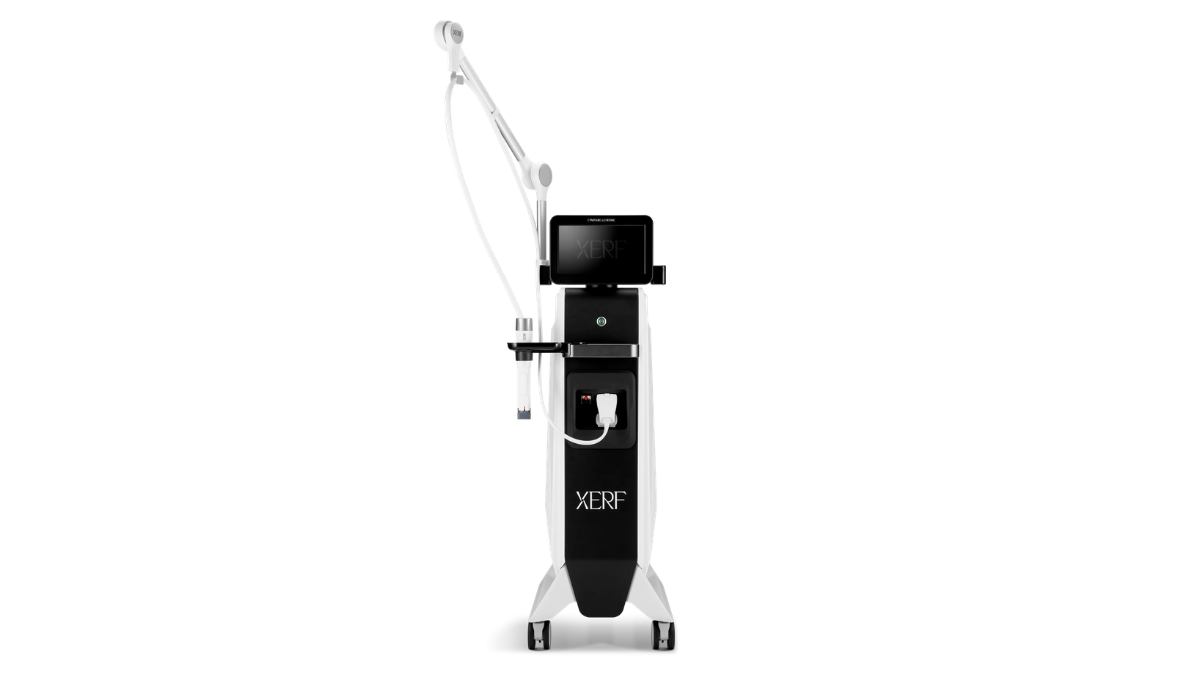
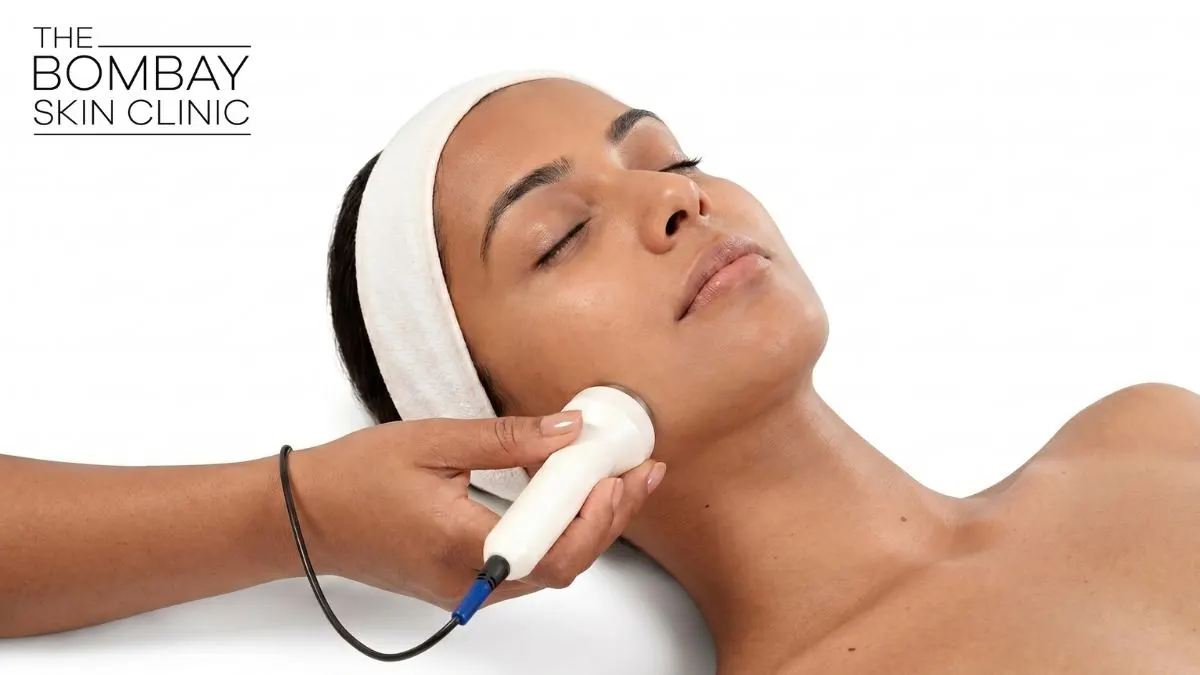
Density RF treatment in Mumbai is a non-surgical skin tightening option that uses controlled radiofrequency energy to heat selected layers of the skin. This heat may support collagen remodelling, improve firmness and create a more lifted-looking contour over time. It is usually considered for mild to moderate laxity, early facial ageing and maintenance.
At The Bombay Skin Clinic, we use Density RF as part of a dermatologist-led plan. Your laxity pattern, skin type, comfort level and goals are assessed before we recommend Density RF, HIFU, MNRF, injectables, lasers or a combination approach.
What is Density RF treatment?
Density RF is an advanced radiofrequency skin tightening treatment designed to deliver controlled heat into the skin without cuts, needles or surgical recovery. It is used to improve the appearance of mild skin laxity, fine lines, texture and facial firmness in selected patients.
In simple terms, it warms the deeper skin layers in a controlled way. This may help existing collagen fibres contract and may also support new collagen formation over the next few months. Radiofrequency skin tightening is considered a non-surgical option for people who want gradual improvement with minimal downtime [1].
What are the key advantages of Density RF skin tightening?
Density RF is usually chosen by patients who want subtle, natural-looking firming without looking overtreated. It does not replace surgery in people with heavy sagging, but it can be useful for early laxity and maintenance.
Key advantages may include:
- No cuts, stitches or surgical recovery.
- Low downtime for most suitable patients.
- Can be considered for the face, jawline, cheeks, under-chin area and neck, depending on assessment.
- May improve skin firmness, mild laxity and texture over time.
- Suitable for many Indian skin tones when planned with correct settings and safety checks.
- Can be used alone or as part of a broader skin tightening plan.
Who is a good candidate for Density RF treatment?
A good candidate usually has mild to moderate looseness, early ageing changes or a need for preventive maintenance. In-person assessment matters because heaviness may be due to skin laxity, facial fat, volume loss, muscle activity or weight change.
Density RF may be suitable for you if
- You have early jawline softening, mild jowling or loss of facial firmness.
- You want a non-surgical skin tightening treatment in Mumbai with minimal routine disruption.
- You have mild laxity on the cheeks, lower face, under-chin area or neck.
- You prefer gradual improvement rather than a dramatic change.
- You want skin quality improvement along with firmness.
- You understand that results vary and usually build over weeks to months.
Density RF may not be suitable for you if
- You have severe skin sagging that may respond better to surgical lifting.
- You are pregnant or breastfeeding.
- You have an active skin infection, open wound, rash or uncontrolled inflammation in the treatment area.
- You have certain implanted electronic devices, such as a pacemaker, unless medically cleared.
- You have metal implants, threads or recent filler in the treatment area, depending on type and location.
- You recently had another energy-based treatment and your skin needs more healing time.
- You expect a surgical-level lift from a non-surgical treatment.
Where suitability is mixed, we treat Density RF as an adjunct or supportive option and recommend an in-clinic assessment before a course.
How does Density RF work on the skin?
Radiofrequency (RF) devices use electromagnetic energy to generate heat inside the skin. The goal is to heat the tissue enough to create a biological response while protecting the surface. This is why patient selection, energy settings, cooling and technique matter.
How radiofrequency energy supports collagen remodelling
Collagen is one of the key support proteins in the skin. With ageing, sun exposure, pollution, stress, weight changes and hormonal shifts, collagen quality may reduce. Skin can then look thinner, looser or less elastic.
Controlled RF heating may support two changes. Existing collagen fibres may contract, and the skin may gradually produce new collagen and elastin as part of remodelling. Reviews in aesthetic dermatology describe RF as a treatment that can support improvement in ageing-related laxity, although outcomes depend on device type, treatment parameters and patient selection [2].
Why monopolar and bipolar RF matter in Density RF
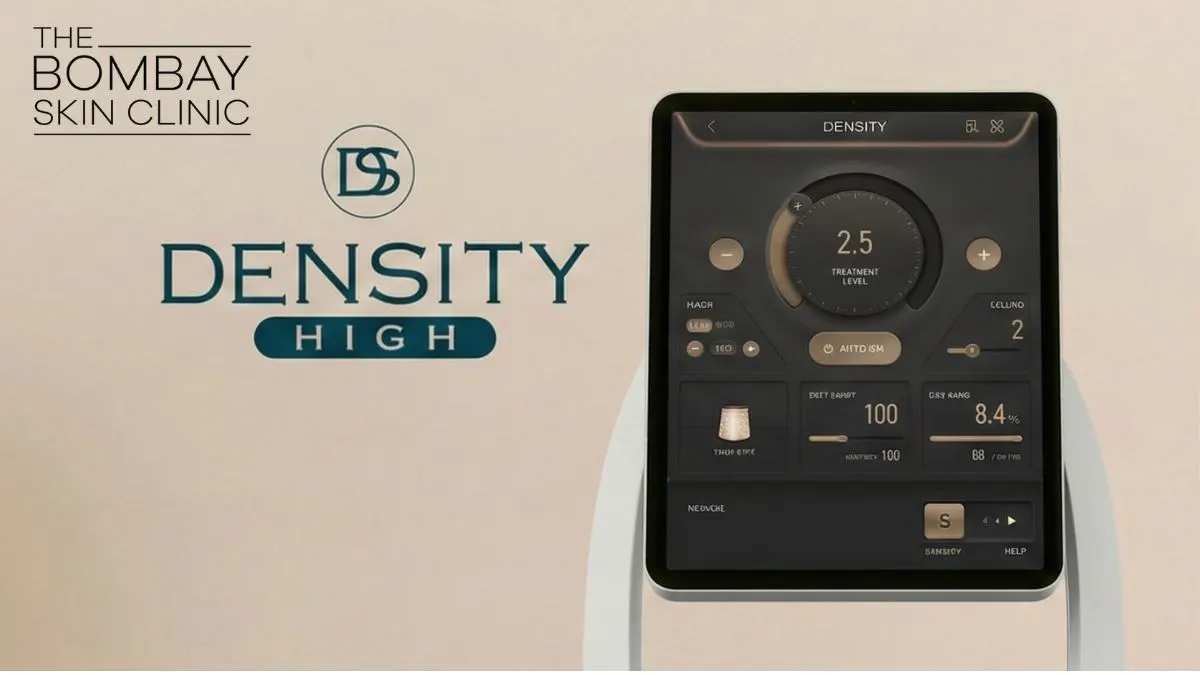
Density RF is designed around dual-mode radiofrequency delivery. Monopolar RF generally allows energy to reach deeper tissue layers. Bipolar RF is more focused between two contact points and may support controlled heating closer to the treated area.
Some newer dual-mode RF systems use sequential monopolar and bipolar energy to distribute heat across different depths. Early clinical work on a dual-mode RF device reported that this type of non-invasive RF approach was well tolerated and showed improvement in facial skin laxity in selected patients [3]. You can also read our detailed comparison of Thermage FLX vs Density RF to understand how these technologies differ.
What areas can Density RF treat?
After assessment, Density RF may be considered for:
- Lower face laxity.
- Jawline definition.
- Cheek firmness.
- Under-chin support.
- Neck laxity.
- Fine lines and crepey texture in selected areas.
- Early facial ageing where surgery is not required.
Delicate zones, such as the eyes and neck, need careful planning because skin is thinner and tolerance may differ.
Is there any downtime after Density RF?
Density RF is generally considered a low-downtime treatment when performed on suitable patients with appropriate settings. Most people can return to normal daily activities soon after the procedure.
What you may notice immediately after treatment
Common temporary effects may include:
- Mild redness.
- Warmth in the treated area.
- Temporary tightness.
- Mild tenderness.
- Slight swelling in some patients.
When you can return to work, events and routine skincare
Many patients return to work the same day or the next day, depending on sensitivity and treatment area. For an important event, plan the session with buffer time.
Routine skincare may need a short pause or simplification after treatment. Actives such as retinoids, exfoliating acids or strong peels may be delayed for a few days, based on your doctor’s advice.
Is Density RF safe? What are the precautions and contraindications?
Radiofrequency treatments can be safe when performed with proper patient selection, trained operators, appropriate settings and medical oversight. The American Academy of Dermatology notes that skin tightening procedures should be performed by qualified doctors because correct technique and safety assessment are important [4].
Common temporary effects
Temporary effects can include redness, warmth, tenderness, swelling or mild discomfort. These usually settle within a short time.
Less common risks may include burns, prolonged redness, pigmentation changes, surface irritation or uneven response. This is why we do not treat Density RF as a salon-style facial. It is an energy-based procedure that needs clinical judgement.
When Density RF should be avoided or delayed
Treatment may be avoided or delayed if you have:
- Pregnancy or breastfeeding.
- Active infection or open wounds in the area.
- Recent sunburn or active dermatitis.
- Uncontrolled medical conditions that affect healing.
- Pacemaker or implanted electronic device, unless medically cleared.
- Certain metal implants, threads or recent filler in the treatment zone.
- Recent aggressive resurfacing, surgery or energy-based treatment.
Patients with melasma, pigmentation tendency or very reactive skin may still be candidates in some cases, but the settings and timing need careful planning.
Why dermatologist oversight matters for RF treatments
RF energy is not just surface warmth. It creates controlled heating inside tissue. Safety depends on understanding skin anatomy, energy depth, contraindications and patient-specific risk.
Clinical studies on monopolar RF in Asian skin have reported good safety and improvement in mild to moderate lower facial laxity when patient selection, settings and protocols are appropriate [5]. This matters for Indian patients because skin tone, pigmentation tendency and climate-related sensitivity must be considered. For patients also dealing with signs of facial ageing, Density RF can be part of a broader treatment plan.
What results can you expect from Density RF and when?
Density RF results are usually gradual. Some patients notice an early feeling of tightness, but the more meaningful change is expected over time as collagen remodelling develops.
Early changes after treatment
Immediately after treatment, the skin may feel firmer or slightly tighter because of heat-related tissue response and temporary swelling. This early effect should not be confused with the final result.
Early visible changes may include a fresher look, mild firmness, subtle jawline improvement and smoother-looking skin texture.
Collagen-building timeline over the next few months
Collagen remodelling takes time. Many patients are reviewed over the next few weeks to months. Changes may continue to build gradually, depending on age, skin quality, lifestyle, sun exposure, hormonal factors and the body’s repair response.
Research on RF facial rejuvenation has shown changes in collagen and elastic fibres after treatment, supporting the idea that RF can have biological effects beyond temporary surface tightening [6]. Still, results are not identical for all patients.
Why results vary from person to person
Results vary because every face ages differently. Mild laxity may respond differently from heavier jowling, volume loss, smoking history, high sun exposure or major weight loss.
Density RF may be a helpful adjunct for early laxity, but it should not be positioned as a substitute for surgery in advanced sagging. During consultation, we explain what is realistic for your skin.
Density RF vs HIFU vs MNRF: Which treatment is right for you?
Density RF, HIFU and MNRF are not the same treatment. They use different energy delivery methods and are chosen for different concerns.
Density RF vs HIFU for skin tightening
Density RF uses radiofrequency heat to support skin firmness and collagen remodelling. HIFU treatment in Mumbai uses focused ultrasound energy and is usually considered when deeper lifting support is needed.
Density RF may be preferred when the goal is skin quality, mild laxity and a comfortable low-downtime session. HIFU may be considered when the concern is deeper tissue support or more noticeable lifting in selected patients.
Density RF vs MNRF for texture, scars and laxity
MNRF treatment in Mumbai, or microneedling radiofrequency, uses tiny needles to deliver RF energy into the skin. It is often considered for acne scars, pores, texture and certain laxity concerns.
Density RF is non-invasive and does not use needles. It may be preferred when the main concern is firmness and the patient wants less surface disruption. MNRF may be more suitable when acne scars or deeper texture concerns are the priority.
Density RF vs lasers and injectables
Lasers are often used for pigmentation, resurfacing, scars or skin tone concerns, depending on the device. Injectables may be used for volume, wrinkles, contouring or muscle-related lines.
Density RF does not replace these treatments. It supports firmness and skin tightening. In some patients, it may be combined with other treatments to address different layers of ageing.
When combination treatments may be recommended
A combination plan may be suggested if you have more than one concern, such as laxity, pigmentation, acne scars, volume loss or dynamic lines. For example, Density RF may support firmness, while another treatment may address pigmentation or scars.
What is the indicative Density RF cost at The Bombay Skin Clinic?
Density RF cost in Mumbai can vary based on the treatment area, number of sessions, device protocol, doctor assessment and whether it is combined with other treatments.
At The Bombay Skin Clinic, indicative Density RF pricing starts from ₹1.5 lakhs for a focused area. Full-face, neck, full-face plus neck or combination plans may cost more. Final pricing is shared after assessment because energy-based treatments should be planned according to skin need, not only as a fixed menu item.
Factors that affect Density RF pricing
- Treatment area, such as face, neck, jawline or under-chin.
- Severity of laxity.
- Number of sessions recommended.
- Whether treatment is standalone or part of a combination plan.
- Technology settings and session complexity.
- Doctor review and follow-up requirements.
Why pricing is confirmed after assessment
Two patients asking for jawline tightening may need very different plans. One may have early skin laxity. Another may have volume loss, heavy jowls or deeper structural changes.
FAQs on Density RF treatment in Mumbai
Is Density RF painful?
Most patients describe Density RF as warm or deeply heating rather than sharply painful. Comfort varies, especially around sensitive areas. Cooling, technique and communication during the session help make the treatment more tolerable.
How many Density RF sessions will I need?
Some patients may need one session followed by review, while others may benefit from a planned course or maintenance approach. The number depends on skin laxity, age, treatment area and collagen response.
Is Density RF better than HIFU?
Density RF is not automatically better than HIFU. It is different. Density RF may suit patients seeking skin firmness, texture support and mild laxity improvement. HIFU may suit selected patients who need deeper lifting support. The right choice depends on your facial structure and concern.
Can Density RF be done for the neck and jawline?
Yes, Density RF may be considered for the jawline and neck in suitable patients. These areas need careful planning because skin thickness, laxity and sensitivity vary. An in-clinic assessment helps decide whether Density RF alone is enough or whether a combination plan is better.
Is Density RF suitable for Indian skin?
Density RF can be suitable for many Indian skin tones when planned correctly. The key is proper assessment, careful settings and dermatologist oversight, especially in patients with pigmentation tendency, melasma, sensitivity or recent procedures.
How soon can I see results after Density RF?
Some patients notice early tightness, but collagen-related improvement usually develops gradually over weeks to months. Results vary from person to person, and maintenance may be advised depending on your ageing pattern and goals.
References and medical sources
- Cleveland Clinic. Radio Frequency Skin Tightening: Benefits & Dangers. https://my.clevelandclinic.org/health/treatments/24683-radio-frequency-rf-skin-tightening
- Bonjorno AR, et al. Radiofrequency therapy in esthetic dermatology: A review of clinical evidences. J Cosmet Dermatol. https://pubmed.ncbi.nlm.nih.gov/31691477/
- Lin S, Kumar N. Clinical Evaluation of a Novel Dual-Mode Radiofrequency Device for Facial Skin Laxity. https://pubmed.ncbi.nlm.nih.gov/41256054/
- American Academy of Dermatology Association. Many ways to firm sagging skin. https://www.aad.org/public/cosmetic/younger-looking/firm-sagging-skin
- Wanitphakdeedecha R, et al. Efficacy and Safety of Monopolar Radiofrequency for Lower Facial Laxity in Asians. https://pubmed.ncbi.nlm.nih.gov/36166188/
- El-Domyati M, et al. Radiofrequency facial rejuvenation: Evidence-based effect. J Am Acad Dermatol. https://pmc.ncbi.nlm.nih.gov/articles/PMC6541915/
Dr. Batul Patel (Dermatologist)
Medical Director – The Bombay Skin Clinic
Dr. Batul Patel is an award winning certified dermatologist, honoured as the “Dermatologist of the Year 2023” at the national level by The Economic Times. View profile