


Dr. Batul Patel (Dermatologist)
Medical Director – The Bombay Skin Clinic
Dr. Batul Patel is an award winning certified dermatologist, honoured as the “Dermatologist of the Year 2023” at the national level by The Economic Times. View profile
What Is Collagen | Collagen Benefits | Good Candidate | How It Works | Session Plan
Collagen is the scaffolding your skin is built on. It keeps skin firm, smooth, and resilient — and from your mid-twenties onwards, your body produces less of it every year. For many people living in Mumbai, that natural decline is accelerated by daily exposure to UV radiation, humidity, pollution, and stress. The result shows up as fine lines, loosening skin, reduced bounce, and a dullness that skincare products alone cannot fully address.
Understanding collagen — what it is, how it is lost, and how dermatologist-supervised treatments can support its renewal — is the first step towards making informed decisions about your skin. This guide explains the science clearly and walks you through the options available at The Bombay Skin Clinic.
What Is Collagen and Why Does Your Skin Need It?
Collagen is a structural protein that makes up approximately 70–80% of the dry weight of your skin’s dermis — the deep, supportive layer beneath the surface. [1] It forms a dense network of fibres that gives skin its firmness, volume, and ability to spring back when compressed. Think of it as the internal mattress of your skin: when the springs are intact, the surface looks plump and even; when they weaken, the surface begins to sag and crease.
There are multiple types of collagen in the body, but types I and III are most relevant to skin health. Type I provides tensile strength; Type III contributes elasticity and is especially prominent in younger skin. [2] Both are produced by specialised cells in the dermis called fibroblasts — and it is the gradual decline of fibroblast activity, combined with damage from ultraviolet (UV) radiation, that drives the visible signs of ageing. Research published in the American Journal of Pathology found that fibroblast collagen synthesis at around 70 years of age is roughly half that seen in skin under the age of 20. [2]
Key Benefits of Supporting Collagen in Your Skin
When collagen levels are maintained or actively stimulated — whether through in-clinic treatments or evidence-informed supplementation under dermatologist guidance — many patients notice meaningful improvements across several dimensions of skin health.
- Improved firmness and skin tone: Stimulating collagen production helps restore the structural density of the dermis, reducing the appearance of sagging and laxity.
- Reduction in fine lines and wrinkles: As collagen fibres rebuild, the surface skin is better supported, softening shallow lines and creases over time. This is a core focus of our anti-ageing treatments in Mumbai.
- Better hydration and plumpness: Collagen works alongside hyaluronic acid and elastin in the extracellular matrix; when collagen levels improve, skin tends to feel more supple and hydrated. [3]
- Improved skin texture: A denser collagen network supports smoother skin surface texture, which is particularly helpful for patients dealing with rough, uneven, or post-acne skin. Our acne scar treatment in Mumbai frequently uses collagen-stimulating modalities for this reason.
- Scar remodelling support: Collagen induction therapies are used as an adjunct in the management of atrophic acne scars, working by triggering the skin’s own repair cascade. [4]
Who Should Consider Collagen-Boosting Treatments? Eligibility at a Glance
Collagen-boosting treatments cover a spectrum — from non-invasive radiofrequency and light therapy to microneedling and injectable stimulators. The right approach depends on your skin’s current condition, your specific concerns, and a full assessment by a dermatologist. The notes below are general guidelines; your suitability is determined at consultation.
You May Be a Good Candidate If
- You have noticed gradual skin laxity, fine lines, or loss of firmness in the face, neck, or décolletage
- You have mild-to-moderate skin texture irregularities, including enlarged pores or superficial acne scarring
- Your skin concerns are driven by sun exposure, natural ageing, or lifestyle factors common in urban environments like Mumbai
- You are in generally good health, not pregnant or breastfeeding, and have realistic expectations about gradual improvement
It May Not Be Right for You If
- You have active skin infections, open wounds, or inflammatory skin conditions such as eczema or psoriasis in the treatment area
- You are pregnant, breastfeeding, or planning pregnancy (certain treatment modalities are deferred in this period)
- You have a history of keloid scarring, as some collagen-stimulating procedures carry a risk of abnormal scar formation
- You are on medications that affect wound healing or skin sensitivity, such as isotretinoin — your dermatologist will advise a suitable waiting period
How Collagen-Boosting Treatments Work
The core principle behind most collagen-boosting treatments is the same: create a controlled stimulus in the dermis that prompts fibroblasts to produce new collagen and elastin. The method of delivery varies by treatment modality.
Microneedling (Collagen Induction Therapy)
Microneedling uses a device with fine, precisely calibrated needles to create micro-channels in the skin’s surface. These micro-injuries are too small to cause visible wounds, but they are sufficient to trigger the skin’s natural wound-healing cascade — which involves platelet activation, growth factor release, and ultimately, the stimulation of new collagen and elastin fibres. [4] You can learn more about this on our dedicated microneedling treatment and Dermapen microneedling pages. Research published in the Indian Journal of Dermatology, Venereology and Leprology has documented improvements in skin hydration and elasticity with collagen-stimulating approaches. [3]
Radiofrequency (RF) Treatments
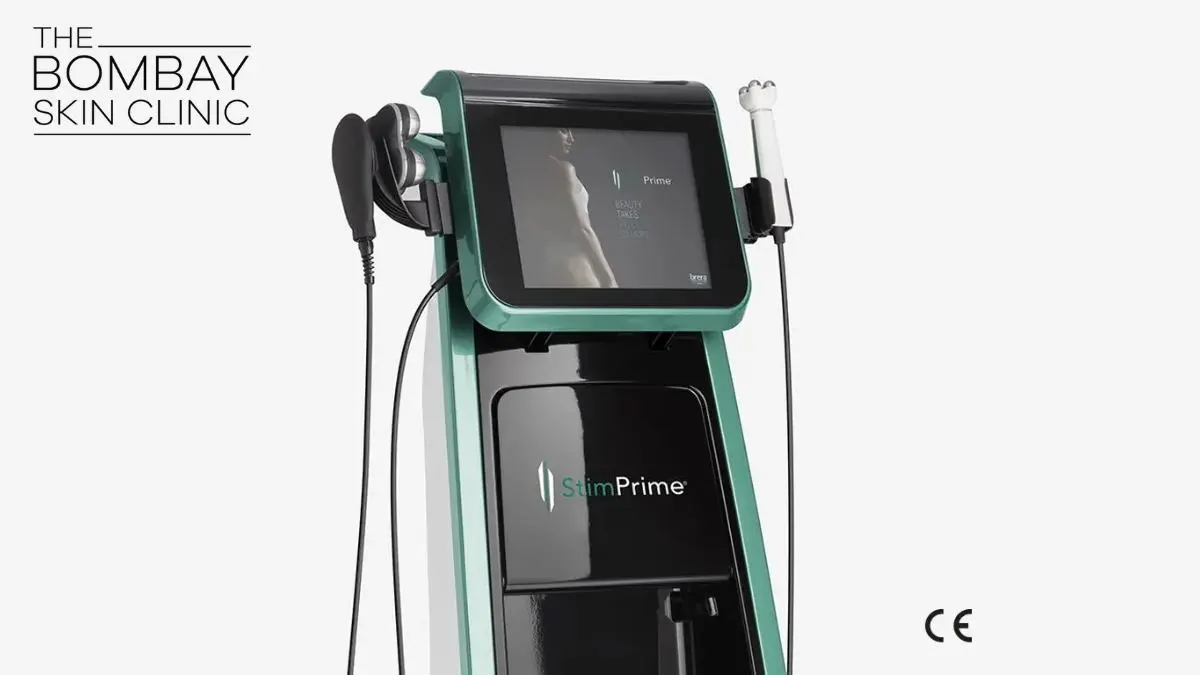
Radiofrequency devices deliver controlled thermal energy into the deeper layers of the dermis. The heat causes immediate contraction of existing collagen fibres and, over the following weeks and months, stimulates fibroblasts to produce fresh collagen. The effect is a gradual tightening and firming that develops progressively after each session. Our skin tightening treatments include RF-based options suited to different skin concerns.
Laser and Light-Based Therapies
Fractional laser treatments resurface the skin in controlled columns, triggering collagen remodelling in the treated zones while leaving surrounding tissue intact to support rapid recovery. Certain light-based therapies, including low-level light therapy, are also used as supportive adjuncts to stimulate fibroblast activity.
Injectable Collagen Stimulators
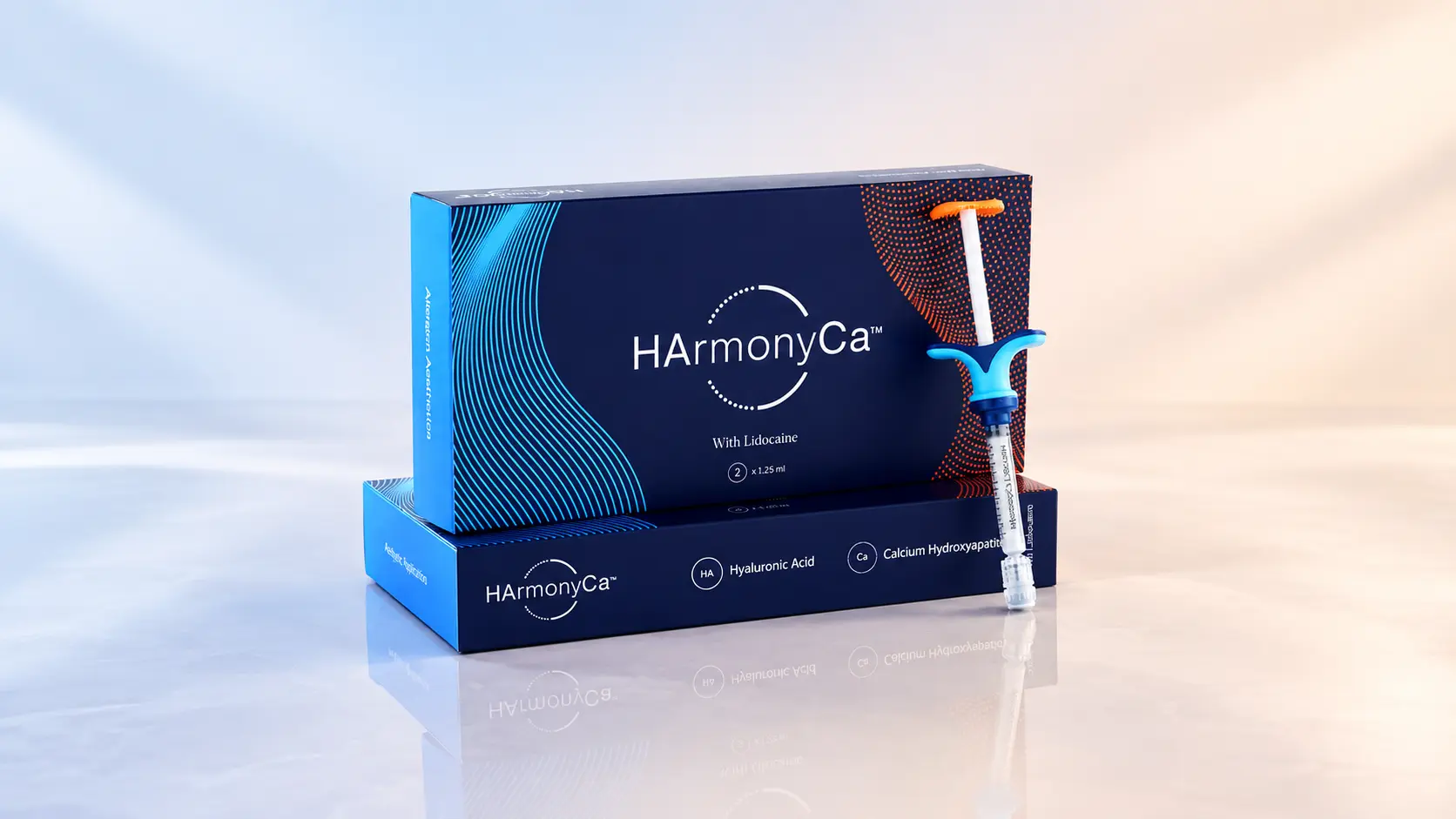
Injectable treatments such as bio-remodellers and collagen stimulators work by directly activating fibroblasts in the dermis, triggering a sustained increase in collagen and hyaluronic acid production over several months. These are minimally invasive and are typically recommended for patients with moderate skin laxity or volume loss.
Oral Hydrolysed Collagen (as an adjunct)
Hydrolysed collagen supplements — where collagen is broken down into smaller peptides that are more readily absorbed — have been studied for their effect on skin elasticity and hydration. A systematic review and meta-analysis of randomised controlled trials found that oral collagen supplementation was associated with improvements in skin hydration and elasticity, particularly with consistent use over 8–12 weeks. [6] However, evidence quality varies between studies, and supplements are generally considered a supportive adjunct to in-clinic treatment rather than a standalone solution. Your dermatologist can advise on whether supplementation is appropriate for your skin goals.
Your Session Plan and Comfort
How Long Each Session Takes
Session duration varies by treatment modality. Most microneedling sessions take between 45 and 75 minutes including preparation, application of topical numbing cream, and the procedure itself. Radiofrequency and laser sessions are often similar in duration, while injectable treatments may be completed more quickly depending on the areas addressed.
Topical numbing cream is applied before most procedures to ensure the experience is as comfortable as possible. Most patients describe microneedling as a mild pressure sensation with minimal discomfort. RF and laser procedures may produce a warm sensation in the skin during delivery.
How Many Sessions You May Need
The number of sessions needed depends on your skin concerns, the treatment modality, and the degree of change you are aiming for. Many patients with mild skin laxity or texture concerns achieve satisfying results after a course of three to six microneedling sessions spaced three to four weeks apart. More significant laxity or scarring may require a longer programme or a combination approach.
Downtime is generally minimal with microneedling — most patients experience mild redness for 24–48 hours post-procedure, similar to a light sunburn. RF and fractional laser treatments may involve slightly more visible skin reaction for a few days depending on the intensity used. Injectable treatments typically involve little to no downtime. Your dermatologist will map out a personalised session plan at your consultation, based on your skin assessment.
Safety and Contraindications
Collagen-boosting treatments performed by qualified dermatologists in a clinical setting are considered safe for most skin types when carried out with appropriate protocols. That said, every treatment has a safety profile that must be assessed individually.
- Active skin infections or inflammation: any procedure that creates a wound or delivers energy into the skin should be deferred if there is active infection, open acne lesions, or inflammatory skin disease in the treatment zone
- Pregnancy and breastfeeding: most energy-based and injectable collagen treatments are not performed during pregnancy or breastfeeding as a precaution
- Isotretinoin use: patients currently taking or recently completing isotretinoin are advised to wait a suitable period (typically six months to one year) before microneedling or ablative procedures, due to altered skin healing responses
- Keloid or hypertrophic scar tendency: a history of abnormal scarring is a relative contraindication for microneedling and some laser modalities — your dermatologist will assess on a case-by-case basis
- Autoimmune conditions and blood-thinning medications: these may affect healing and are discussed at your pre-treatment assessment
A thorough dermatologist-led consultation before any treatment is essential to rule out contraindications and design a protocol that is appropriate for your skin.
Results and Realistic Timelines
Collagen remodelling is a biological process — it unfolds gradually, not overnight. Most patients begin to notice improvements in skin texture and radiance within two to four weeks of their first session, as initial inflammation resolves and early collagen formation begins. More visible improvements in firmness and line reduction typically emerge over three to six months, as new collagen fibres mature and organise within the dermis. [2]
Results vary from person to person and are influenced by age, baseline skin condition, the treatment modality used, lifestyle factors, and how consistently a treatment programme is followed. Patients who combine professional in-clinic treatment with appropriate sun protection, skin-supportive nutrition, and basic skincare tend to see better and more sustained outcomes.
Maintenance sessions are generally recommended to sustain results, as the natural collagen decline from ageing continues. Your dermatologist will discuss a realistic maintenance schedule as part of your plan.
How Collagen Treatments Compare to Related Options
Patients researching collagen-boosting treatments often compare microneedling with superficial chemical peel treatments. Peels work primarily at the epidermal level — improving surface texture, pigmentation, and radiance — but do not reach deep enough into the dermis to meaningfully stimulate new collagen production. Microneedling, RF, and laser treatments target the dermis directly and are the more appropriate choice when firmness, laxity, and deeper structural improvement are the goal.
Bio-remodellers and injectable collagen stimulators act deeper and faster than surface treatments but are not a replacement for energy-based therapies that support overall skin quality. For many patients with moderate to significant skin concerns, a combination approach — pairing microneedling or RF with an injectable bio-remodeller, and supporting both with appropriate skincare — delivers the most comprehensive outcome. Your dermatologist will advise on the most relevant combination for your specific skin profile.
Why Choose The Bombay Skin Clinic
At The Bombay Skin Clinic, every collagen-boosting treatment is performed under dermatologist supervision. Our medical team comprises qualified and experienced dermatologists who assess each patient individually — there is no one-size-fits-all protocol. Your treatment plan is built around a detailed skin assessment, your specific concerns and goals, and your medical history.
We use advanced, well-maintained technology across our treatment modalities, and our protocols are updated in line with current clinical evidence. Strict hygiene and sterilisation standards are maintained throughout every procedure — from the microneedling devices used to the injectable techniques employed — to protect your safety and reduce any risk of complications.
Our approach is honest: we will tell you clearly what a treatment can realistically achieve for your skin type and concern, and what it cannot. If a combination approach or a referral to another modality is more appropriate for you, our dermatologists will advise accordingly. That transparency is central to the care we deliver.
To book a consultation or learn more, you are welcome to contact our Mumbai clinic directly, reach us on WhatsApp, or book an appointment online at thebombayskinclinic.com.
Frequently Asked Questions
Does collagen really decrease with age, and can treatments reverse this?
Yes — collagen production declines from the mid-twenties at approximately 1% per year, and more significantly after menopause in women. UV exposure accelerates this further. In-clinic treatments such as microneedling, radiofrequency, and injectable bio-remodellers cannot fully reverse age-related collagen loss, but they can meaningfully stimulate new collagen production and improve the skin’s structural quality over time.
Are collagen supplements worth taking for skin?
Oral hydrolysed collagen supplements have shown improvements in skin hydration and elasticity in some clinical studies when taken consistently over 8–12 weeks. However, the evidence quality is variable, and supplements work best as a supportive adjunct to professional in-clinic treatment rather than as a standalone solution. A dermatologist can advise on whether supplementation is appropriate for your situation.
Is microneedling safe for darker Indian skin tones?
Microneedling is generally considered safe across a broad range of skin tones, including the darker skin phototypes more common in India, when performed by an experienced clinician using appropriate settings. It carries a lower risk of post-inflammatory hyperpigmentation compared to certain laser treatments in darker skin. Your dermatologist will assess your skin tone and any pigmentation concerns before recommending a protocol.
How many microneedling sessions will I need to see results?
Most patients follow a course of three to six sessions spaced three to four weeks apart. Mild texture concerns may show good results after three sessions; acne scarring or more significant laxity typically benefits from a longer programme. Many patients notice improved radiance after the first one to two sessions, with more substantial structural changes becoming apparent after three to four months.
Is there any downtime after collagen-boosting treatments?
Most microneedling and RF sessions involve minimal downtime — typically mild redness and slight sensitivity for 24–48 hours, similar to a moderate sunburn. Fractional laser treatments may involve slightly more visible peeling or redness for a few days. Injectable treatments usually have little to no visible downtime. Your dermatologist will give you specific post-care instructions tailored to your treatment.
Can collagen treatments be combined with other skin treatments?
Yes, combination approaches are common and often recommended. Microneedling pairs well with bio-remodeller injections, vitamin C topicals, and appropriate homecare. RF can complement laser therapies. Your dermatologist will design a sequenced plan that maximises results while allowing adequate recovery time between modalities.
References
- Avila Rodríguez MI, Rodríguez Barroso LG, Sánchez ML. Collagen: A review on its sources and potential cosmetic applications. Journal of Cosmetic Dermatology. 2018. https://pubmed.ncbi.nlm.nih.gov/29144557/
- Varani J, Dame MK, Rittié L, et al. Decreased collagen production in chronologically aged skin: roles of age-dependent alteration in fibroblast function and defective mechanical stimulation. American Journal of Pathology. 2006. https://pmc.ncbi.nlm.nih.gov/articles/PMC1606623/
- Bapu J, et al. Effects of collagen-based supplements on skin’s hydration and elasticity: A systematic review and meta-analysis. Indian Journal of Dermatology, Venereology and Leprology. 2025. https://ijdvl.com/effects-of-collagen-based-supplements-on-skins-hydration-and-elasticity-a-systematic-review-and-meta-analysis/
- Aust MC, Fernandes D, Kolokythas P, et al. Percutaneous collagen induction therapy: an alternative treatment for scars, wrinkles, and skin laxity. Plastic and Reconstructive Surgery. 2008. https://pubmed.ncbi.nlm.nih.gov/18594324/
- Proksch E, Schunck M, Zague V, et al. Oral intake of specific bioactive collagen peptides reduces skin wrinkles and increases dermal matrix synthesis. Skin Pharmacology and Physiology. 2014. https://pubmed.ncbi.nlm.nih.gov/24401291/
- Choi FD, Sung CT, Juhasz MLW, Mesinkovska NA. Oral collagen supplementation: A systematic review of dermatological applications. Journal of Drugs in Dermatology. 2019. https://pubmed.ncbi.nlm.nih.gov/30681787/