

MEDICALLY REVIEWED BY
Dr. Batul Patel (Dermatologist)
Medical Director – The Bombay Skin Clinic
Dr. Batul Patel is an award-winning celebrity dermatologist with over 20 years of experience. She was honoured as “Dermatologist of the Year 2026” by Financial Express and “Dermatologist of the Year 2023” by The Economic Times. She also served as a jury member at the Vogue Beauty & Wellness Honours 2026. View profile
NAD+ Therapy | What Is NAD+ | Key Benefits | Good Candidate | Results Timeline
NAD+ therapy is one of the most talked-about advances in cellular wellness and aesthetic medicine today. If you have been noticing signs of fatigue, dull skin, thinning hair, or a general sense of slowing down — and are curious whether science can help at a cellular level — this guide is for you.
At The Bombay Skin Clinic, we offer NAD+ Therapy in Mumbai as part of a broader approach to healthy, age-graceful skin. This article explains what NAD+ is, how the therapy works, who it suits, and what you can realistically expect.
What Is NAD+ Therapy?
NAD+ stands for Nicotinamide Adenine Dinucleotide — a coenzyme present in every living cell in your body. It plays a foundational role in energy production, DNA repair, and regulating the enzymes (called sirtuins) that influence how our cells age [1]. Without adequate NAD+, cells struggle to generate energy efficiently, repair daily damage, or maintain healthy function.
The problem is that NAD+ levels decline naturally with age. Research shows that by middle age, circulating NAD+ can drop to roughly half the levels seen in early adulthood [2]. Environmental factors common to Mumbai life — pollution, UV exposure, chronic stress, and disrupted sleep — accelerate this depletion further. NAD+ therapy is a medically supervised approach to replenishing these falling levels, administered in a clinical setting by trained professionals.
Key Advantages of NAD+ Therapy
- Supports cellular energy production. NAD+ is essential to the mitochondria — the powerhouse of your cells. Replenishing it may help reduce the persistent fatigue many patients report as they age.
- Aids DNA repair and skin resilience. NAD+ is a substrate for PARP enzymes, which repair oxidative DNA damage in skin cells caused by UV radiation and pollution [3].
- Activates sirtuin pathways. Sirtuins — often called longevity genes — depend on NAD+ to function. Sirtuin activation is associated with improved cellular stress responses, anti-inflammatory activity, and support for skin structure [1].
- May improve skin texture and hydration. Emerging research suggests NAD+ precursors can support epidermal barrier function, reduce signs of photoaging, and improve skin elasticity [4].
- Supports hair follicle health. Cellular energy availability in hair follicle cells is critical to healthy growth cycles. Patients undergoing NAD+ therapy sometimes report improvements in hair vitality as a secondary benefit.
Who Is It For? Eligibility at a Glance
NAD+ therapy is not a one-size-fits-all treatment. A personalised dermatologist assessment at our clinic will determine whether it is the right approach for you and which protocol best suits your health profile.
You May Be a Good Candidate If
- You are a healthy adult experiencing visible or felt signs of ageing — low energy, dull or sagging skin, fine lines, or reduced hair density.
- You have concerns about photoaging, hyperpigmentation, or loss of skin radiance — particularly common in Mumbai’s high-UV, high-pollution environment.
- You are seeking a science-backed, adjunct anti-ageing approach to complement other treatments such as skin boosters, laser therapies, or hair restoration protocols.
- You are a non-smoker or have significantly reduced your smoking, as smoking independently depletes NAD+ and undermines treatment benefit.
It May Not Be Right for You If
- You are pregnant, breastfeeding, or planning to conceive — safety data is insufficient in these situations, and therapy should be deferred.
- You have active, uncontrolled systemic illness such as severe hepatic, renal, or cardiac disease — your treating physician’s clearance is essential.
- You have a known hypersensitivity to niacinamide or related compounds.
- You have a current active infection, skin inflammation at the administration site, or are immunocompromised — these require individual assessment before proceeding.
How NAD+ Therapy Works
Think of NAD+ as a rechargeable battery that your cells rely on for virtually every energy-dependent task. When the battery is full, your cells repair themselves efficiently, generate energy smoothly, and regulate inflammation effectively. As NAD+ levels drop — through ageing, stress, or environmental damage — these processes slow down, and the signs show on your skin, energy levels, and overall vitality.
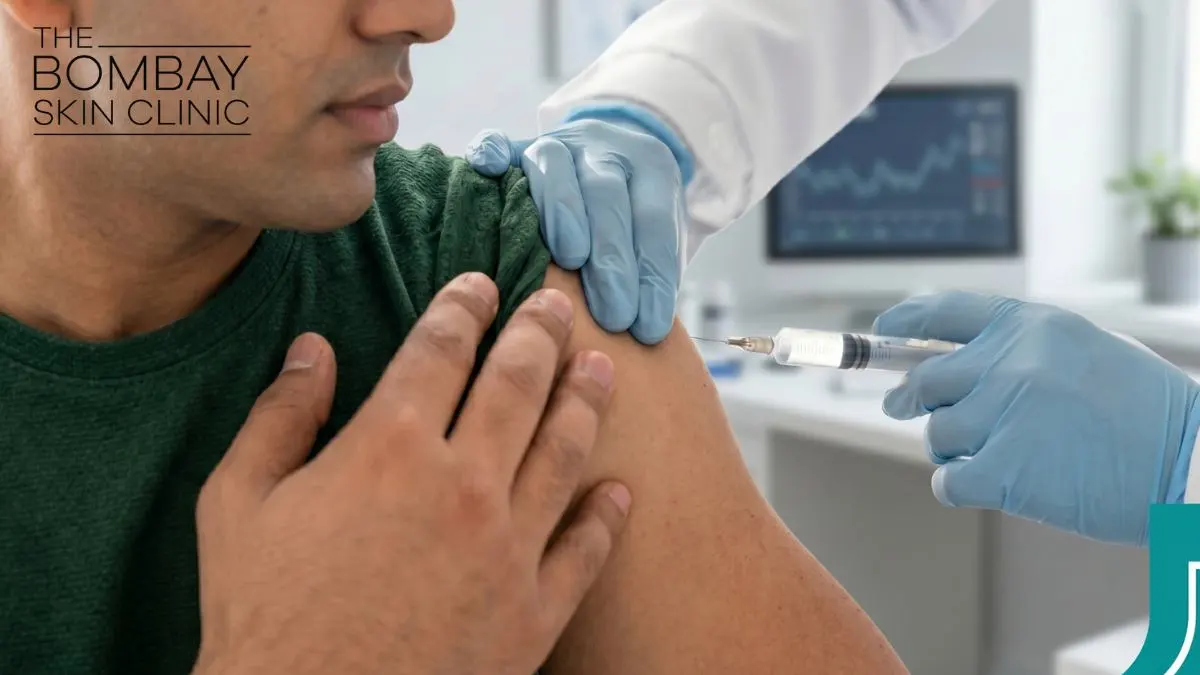
When NAD+ is administered in a clinical setting (via intravenous infusion or subcutaneous injection), it enters the bloodstream and is taken up by tissues throughout the body. Inside cells, it is used directly as a coenzyme or converted into active metabolites that fuel the mitochondrial electron transport chain — the process that generates cellular energy (ATP) [1].
At the same time, NAD+ replenishment activates the sirtuin family of enzymes. These proteins regulate gene expression, support DNA repair, and modulate inflammatory responses. In the skin specifically, sirtuin activity is linked to improved dermal collagen stability, reduced oxidative stress, and slower progression of UV-induced damage [3]. Meanwhile, PARP enzymes — which use NAD+ to repair strand breaks in DNA caused by sun and pollution — can function more effectively when NAD+ is not depleted [3].
The result is a cellular environment better equipped to repair, regenerate, and maintain the functions that keep skin looking healthy and the body feeling energised.
Your Session Plan and Comfort
How Long Each Session Takes
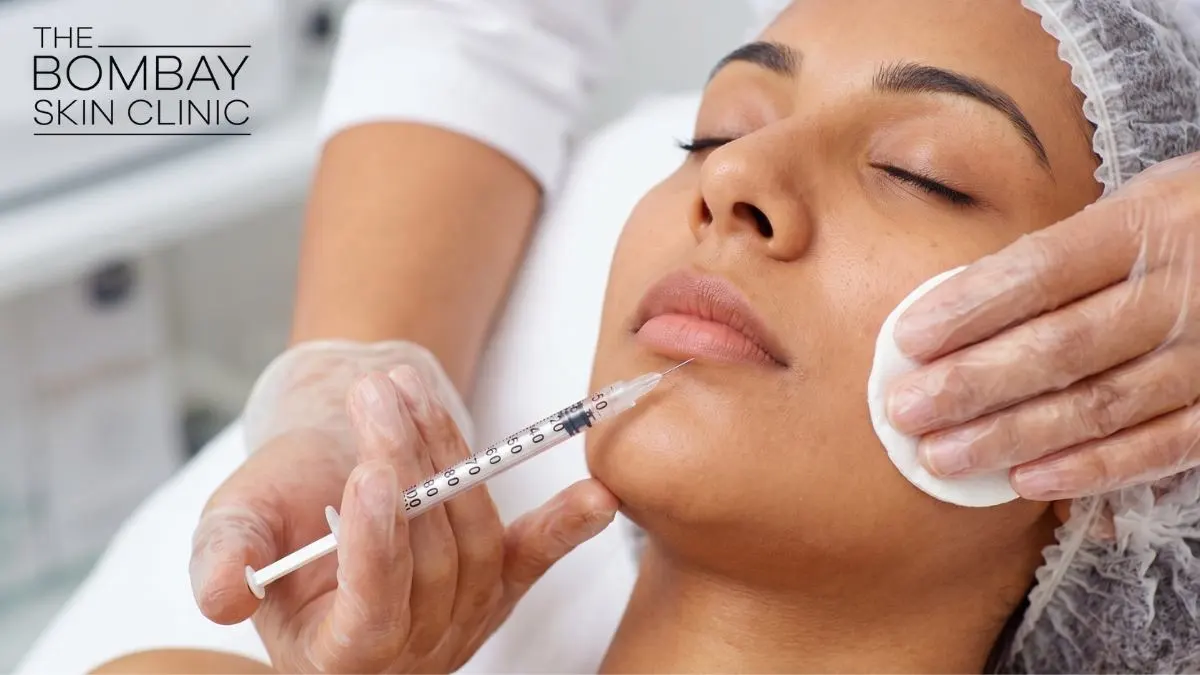
Each NAD+ therapy session typically lasts between 60 and 120 minutes, depending on the administration route and your individual protocol. Intravenous infusions are administered slowly to optimise tolerability and minimise the mild flush or warmth that some patients experience at higher infusion rates. Our team monitors you throughout the session.
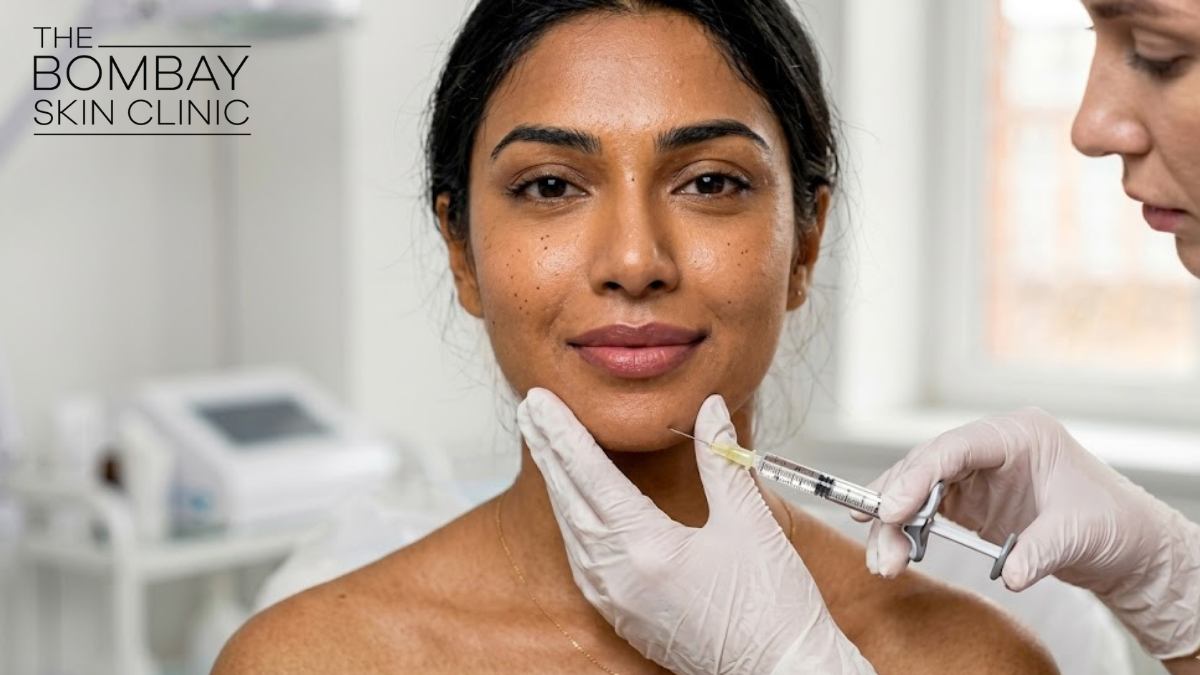
Subcutaneous injections, where used, are quicker — usually 20 to 30 minutes per visit. Your dermatologist will recommend the most appropriate route after your initial assessment. There is generally no downtime with NAD+ therapy. Most patients return to their normal routine immediately after their session.
How Many Sessions You May Need
A typical initial course at our clinic involves 4 to 6 sessions over the first 2 to 3 weeks, allowing NAD+ levels to be restored meaningfully before entering a maintenance phase. Maintenance sessions are usually scheduled monthly or every 6 to 8 weeks, depending on your individual response and goals.
Results and optimal frequency vary from person to person. Your dermatologist will review your response after the initial course and tailor the maintenance plan accordingly. Some patients with specific concerns — such as significant photoaging or hair thinning — may benefit from a combination protocol alongside other treatments.
Safety and Contraindications
NAD+ therapy is generally well tolerated when administered by trained medical professionals, but it is not without considerations. The following points are important to understand:
- Common mild side effects during IV infusion include a feeling of warmth, mild nausea, or light-headedness. These are usually related to infusion rate and resolve when the pace is adjusted. Our team is trained to manage these proactively.
- Pregnancy and breastfeeding are absolute contraindications — adequate safety data does not exist for these groups, and therapy should not be undertaken.
- Active systemic illness — including uncontrolled diabetes, hepatic impairment, renal disease, or severe cardiovascular conditions — requires medical clearance before treatment.
- Active infections (systemic or at the planned injection site) should be fully resolved before commencing therapy.
- A thorough dermatologist and physician assessment is mandatory before your first session. This ensures suitability, identifies any contraindications, and determines the safest and most effective protocol for you.
Results and Realistic Timelines
It is important to approach NAD+ therapy with honest expectations. This is a supportive, cellular-level intervention — not an overnight transformation.
Many patients report a noticeable improvement in energy levels and mental clarity within the first 1 to 2 weeks of the initial course. Skin-related changes — improved radiance, hydration, and texture — tend to become apparent more gradually, usually over 4 to 8 weeks of consistent treatment.
Hair-related benefits, where relevant, are typically among the slower to manifest and are best assessed at the 3-month mark. Results vary based on age, baseline NAD+ depletion, lifestyle factors (particularly sun exposure, sleep, and diet), and whether NAD+ therapy is being used as a standalone or adjunct treatment. Maintenance sessions are important: without them, NAD+ levels can decline again over time and the benefits may diminish.
Your dermatologist will discuss realistic expectations specific to your presentation during your consultation.
How It Compares to Related Treatments
NAD+ Therapy vs. Oral NMN/NR Supplements: Nicotinamide Mononucleotide (NMN) and Nicotinamide Riboside (NR) are orally available NAD+ precursors. They are well-studied and can meaningfully raise intracellular NAD+ levels [5]. However, oral bioavailability is subject to gut and hepatic metabolism. Clinically supervised IV or subcutaneous NAD+ delivery bypasses these variables, offering more predictable and immediate systemic delivery. Your dermatologist can advise whether oral precursors, injectable therapy, or a combination is most appropriate.
NAD+ Therapy vs. Skin Booster Injections: Skin boosters (such as polynucleotide or hyaluronic acid injectables) work primarily at the dermal level — improving hydration, volume, and elasticity in the skin layer directly. NAD+ therapy works at the systemic and cellular level, supporting the biological machinery behind skin health. The two approaches are often complementary rather than competing.
NAD+ Therapy vs. IV Vitamin Drips: Vitamin infusions (such as Vitamin C or glutathione IV drips) target specific antioxidant or brightening pathways. NAD+ therapy addresses a more fundamental cellular currency — energy metabolism and DNA repair — making it a broader and more upstream intervention. These are not mutually exclusive: your dermatologist may recommend combining modalities based on your skin concerns and overall wellness goals.
Why Choose The Bombay Skin Clinic
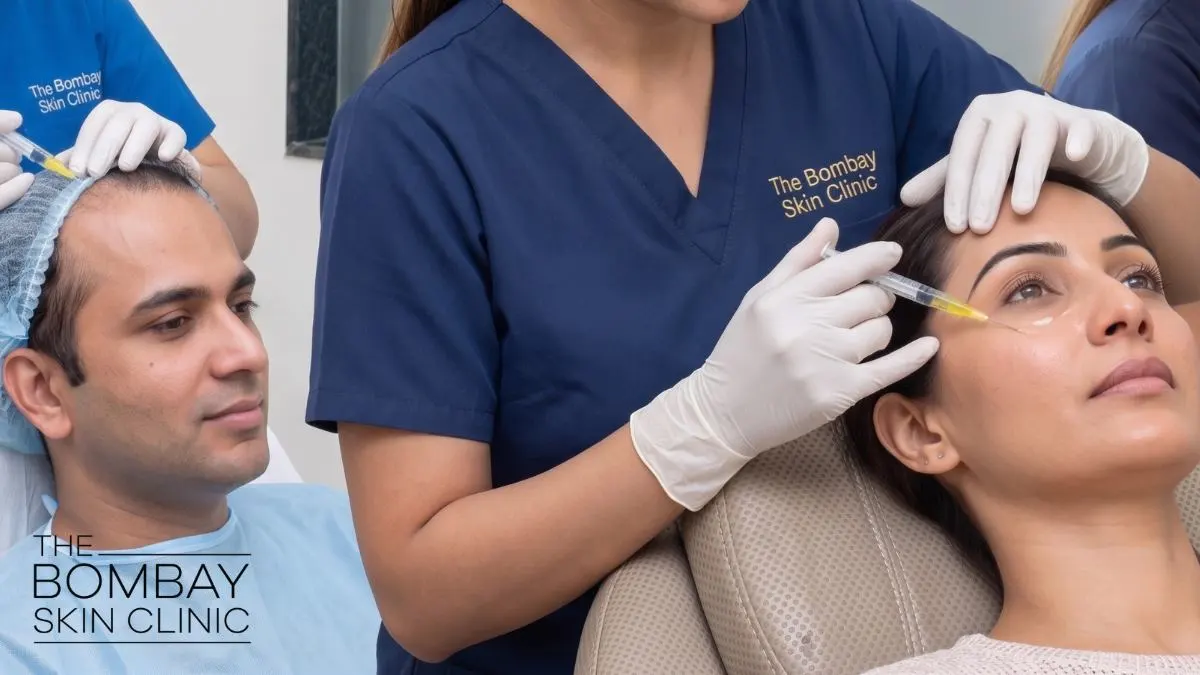
At The Bombay Skin Clinic, NAD+ therapy is delivered under dermatologist-led care — not by technicians or wellness coaches, but by qualified medical professionals who understand the science, the safety considerations, and how this therapy fits into your overall skin and health picture.
Our approach is built on personalised treatment protocols. Before your first session, you will undergo a thorough assessment that maps your skin concerns, health history, lifestyle, and goals. There is no generic protocol here — every plan is individualised to you.
We use advanced, well-maintained equipment and follow strict hygiene and sterilisation protocols at every step of the process. Our team is trained in managing the tolerability of infusion therapies, ensuring your sessions are as comfortable as possible.
We believe that honest, informed patients make better decisions about their care. That is why our consultations are educational — we explain the evidence, set realistic expectations, and help you understand exactly what you are investing in.
To book a consultation or learn more, contact us at our Mumbai clinic. You can reach us by phone, WhatsApp, or by booking online via thebombayskinclinic.com. You may also explore our anti-ageing treatments and hair loss treatments for a comprehensive wellness plan.
Frequently Asked Questions
Is NAD+ therapy painful?
Most patients find NAD+ therapy comfortable. Intravenous infusions are administered slowly, and mild sensations such as warmth, tingling, or light-headedness can occur but are managed by adjusting the infusion rate. Subcutaneous injections involve a small needle and are generally well tolerated. Your comfort is monitored throughout the session.
How long before I see results from NAD+ therapy?
Energy and mental clarity improvements are often among the earliest changes patients notice — sometimes within the first week or two of the initial course. Skin texture and radiance improvements tend to emerge more gradually, typically over 4 to 8 weeks. Hair-related changes, where applicable, are best assessed at around 3 months. Results vary between individuals.
Can NAD+ therapy be combined with other skin treatments?
Yes — in many cases, it works very well as a complement to other treatments such as skin boosters, laser therapies, or hair restoration procedures. Your dermatologist will assess your full treatment picture and recommend the safest and most effective combination for your goals.
How often do I need to come in for maintenance sessions?
After completing the initial course (typically 4 to 6 sessions), most patients move to a maintenance schedule of once monthly or every 6 to 8 weeks. Frequency depends on your individual response, lifestyle factors, and goals. Your dermatologist will review this at each follow-up appointment.
Who should avoid NAD+ therapy?
NAD+ therapy is not suitable for everyone. It should be avoided during pregnancy and breastfeeding. People with uncontrolled systemic illness (severe liver, kidney, or heart disease), active infections, or known hypersensitivity to niacinamide should not undergo this treatment without medical clearance. A dermatologist assessment at our clinic will determine your suitability before any treatment begins.
Does NAD+ therapy help with hair loss?
NAD+ therapy is not a primary treatment for hair loss. However, because hair follicle cells are highly energy-dependent, improving cellular NAD+ availability may support follicle health as an adjunct benefit. Patients seeking hair restoration are advised to discuss a comprehensive hair assessment at our clinic, where NAD+ therapy may form part of a broader treatment plan.
References
- Verdin E. NAD+ in aging, metabolism, and neurodegeneration. Science. 2015;350(6265):1208–1213. https://www.science.org/doi/10.1126/science.aac4854
- Yoshino J, Baur JA, Imai SI. NAD+ intermediates: the biology and therapeutic potential of NMN and NR. Cell Metabolism. 2018;27(3):513–528. https://pubmed.ncbi.nlm.nih.gov/29249689/
- Bai P, Cantó C. The role of PARP-1 and PARP-2 enzymes in metabolic regulation and disease. Cell Metabolism. 2012;16(3):290–295. https://pubmed.ncbi.nlm.nih.gov/22958915/
- Huang W, et al. β-Nicotinamide Mononucleotide Enhances Skin Barrier Function and Attenuates UV-B-Induced Photoaging in Mice. PMC. 2025. https://pmc.ncbi.nlm.nih.gov/articles/PMC12729516/
- Mehmel M, Jovanović N, Spitz U. Nicotinamide Riboside — The Current State of Research and Therapeutic Uses. Nutrients. 2020;12(6):1616. https://pubmed.ncbi.nlm.nih.gov/32486488/
- Chini CCS, et al. Novel Approach to Skin Anti-Aging: Boosting Pharmacological Effects of Exogenous NAD+ by Synergistic Inhibition of CD38 Expression. PMC. 2024. https://www.ncbi.nlm.nih.gov/pmc/articles/PMC11544843/
MEDICALLY REVIEWED BY
Dr. Batul Patel (Dermatologist)
Medical Director – The Bombay Skin Clinic
Dr. Batul Patel is an award-winning celebrity dermatologist with over 20 years of experience. She was honoured as “Dermatologist of the Year 2026” by Financial Express and “Dermatologist of the Year 2023” by The Economic Times. She also served as a jury member at the Vogue Beauty & Wellness Honours 2026. View profile