

MEDICALLY REVIEWED BY
Dr. Batul Patel (Dermatologist)
Medical Director – The Bombay Skin Clinic
Dr. Batul Patel is an award-winning celebrity dermatologist with over 20 years of experience. She was honoured as “Dermatologist of the Year 2026” by Financial Express and “Dermatologist of the Year 2023” by The Economic Times. She also served as a jury member at the Vogue Beauty & Wellness Honours 2026. View profile
What They Are | Good Candidate | How It Works | Downtime & Safety | Treatment Cost
What Is Profhilo? What Are Dermal Fillers?
Profhilo and dermal fillers are both built on hyaluronic acid (HA), a sugar molecule our skin naturally holds onto in order to stay hydrated and supple. Beyond that shared ingredient, the two treatments are designed to do quite different jobs, and patients often confuse them simply because both are delivered by injection with a fine needle.
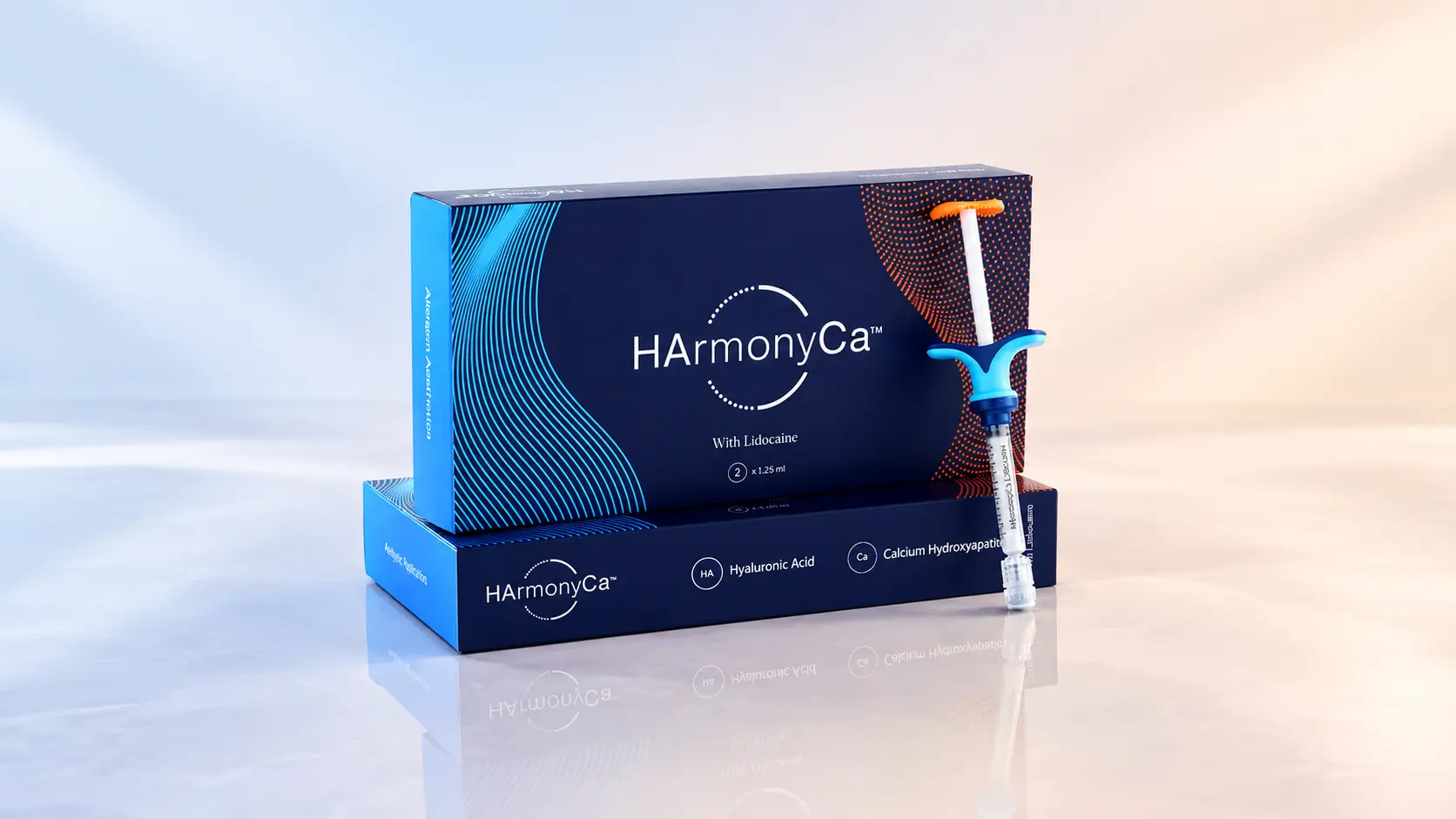
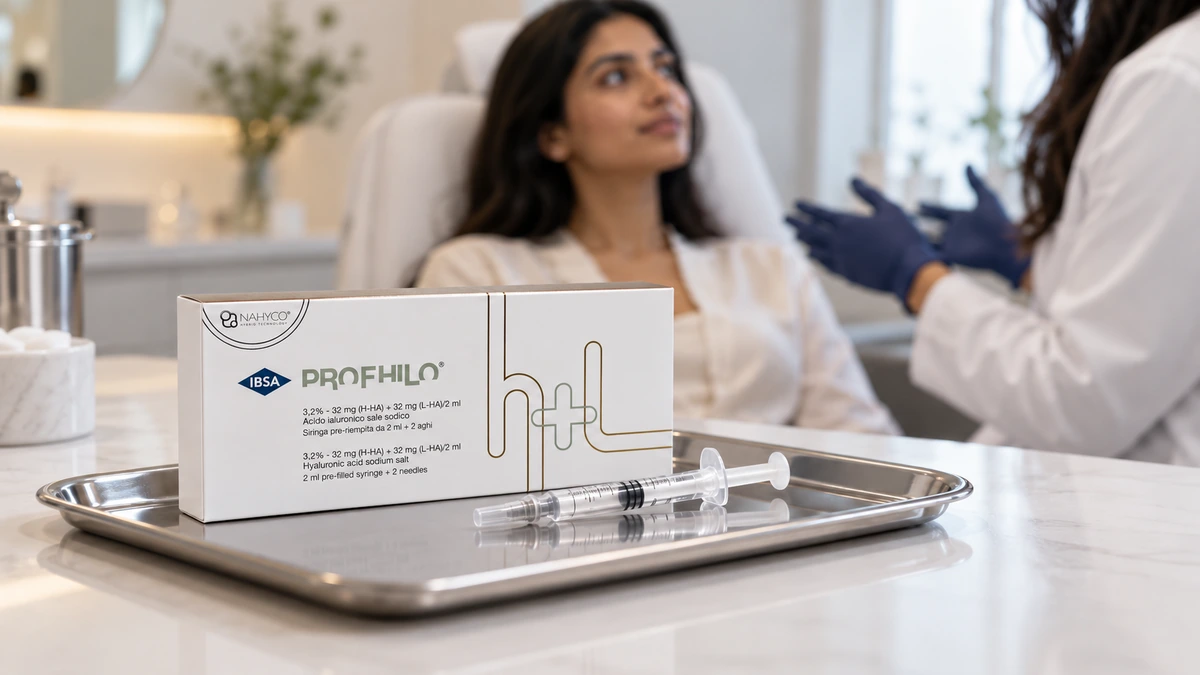
Profhilo is a skin bio-remodelling treatment. It uses a hybrid complex of high- and low-molecular-weight HA that spreads through the tissue from a handful of injection points, rather than sitting in one place, working to support skin hydration, elasticity, and overall skin quality [1][2]. Dermal fillers, on the other hand, are typically cross-linked HA gels formulated to hold their shape at the injection point, which makes them suited to restoring lost volume or defining contours such as the cheeks, chin, jawline, or lips [3].
In short: Profhilo is about skin quality and hydration from within, while dermal fillers are about volume, structure, and contour. Many patients at our Mumbai clinic ask our dermatologists which one is "better" for anti-ageing concerns — the honest answer is that they address different concerns, and are sometimes even used together as part of one personalised protocol. Your dermatologist will advise which approach, or combination, is genuinely suited to your skin.
Mumbai's heat, humidity, pollution exposure, and hard water can all place extra stress on skin barrier function and hydration over time. This is one reason our dermatologists often see patients asking about hydration-focused treatments like Profhilo alongside, or instead of, structural treatments like fillers.
Key Advantages of Profhilo and Dermal Fillers
- Profhilo is often discussed for early signs of skin ageing — mild dehydration, loss of glow, and fine crepiness — particularly on the face, neck, décolletage, and hands.
- Dermal fillers are often discussed when there is visible volume loss, flattened contours, or a specific area (chin, cheeks, nasolabial folds, lips) that a patient wants better defined.
- Both are forms of hyaluronic acid, which the body recognises and gradually metabolises over time, and both can typically be dissolved with hyaluronidase if your dermatologist advises it.
- Profhilo's spreading technique means fewer injection points are usually needed to treat a larger area such as the full face, which many patients find a more comfortable experience.
- Fillers offer more precise, localised control, which is useful when shaping or balancing a specific facial feature.
- Combining the two, when clinically appropriate, is an option some dermatologists consider as part of a personalised treatment protocol — supporting skin quality and structural volume together, rather than treating them as competing choices.
- Neither treatment requires surgery, general anaesthesia, or extended time away from work.
Who Is It For? Eligibility at a Glance
You May Be a Good Candidate If
- You are an adult in reasonably good general health with realistic expectations about outcomes and their limits.
- You are noticing skin dehydration, dullness, or fine lines (a profile that may suit Profhilo) or reduced volume and contour definition (a profile that may suit dermal fillers).
- You have no active skin infection, inflammation, or open wound in the area to be treated.
- You are not pregnant or breastfeeding, and are not planning either in the near term for this specific treatment cycle.
- You are comfortable with a course of sessions and periodic maintenance, rather than expecting a single one-time fix.
It May Not Be Right for You If
- You are pregnant, breastfeeding, or trying to conceive, since these injectables have not been established as safe in pregnancy [3].
- You have a known allergy to hyaluronic acid or a history of severe allergic or hypersensitivity reactions to injectables.
- You have an active skin infection, autoimmune condition, or bleeding disorder in the area to be treated — your dermatologist will assess this individually and may ask for additional history.
- You are looking for a lasting, unchanging result or expecting identical outcomes to another patient — both treatments are temporary in nature, and outcomes vary between individuals based on skin type, lifestyle, and metabolism.
A dermatologist assessment always decides final suitability. This article is educational and general in nature, and is not a substitute for an in-person consultation.
How Profhilo and Dermal Fillers Work
Profhilo is injected at a small number of specific points on each side of the face or neck (often referred to as the "BAP" injection technique) using a very fine needle. Because of its high flowability, the product spreads outward from each point through the surrounding tissue rather than staying fixed [1][2]. This mechanism is thought to interact with the skin's own fibroblast cells, supporting the skin's natural collagen and elastin activity, and improving hydration and skin quality from within, rather than adding physical bulk to the area [2].
Dermal fillers work differently. The cross-linked HA gel used in fillers is engineered to largely stay where it is placed, which gives it the structural integrity needed to lift, contour, or fill a specific area of concern. Depending on the gel's thickness, elasticity, and cross-linking, your dermatologist will select a filler suited to the depth and location being treated — for instance, a softer, more flexible gel for the lips versus a firmer, more structured gel for the chin, jawline, or cheekbones [3][4].
Neither treatment involves surgery, incisions, or general anaesthesia. Both are performed as walk-in, walk-out outpatient procedures in a clinical setting, typically with the patient reclined comfortably in a treatment chair throughout.
Your Session Plan and Comfort
How Long Each Session Takes
A single Profhilo session typically takes around 30 to 45 minutes in total, including time for numbing cream (if used) to take effect and for aftercare instructions. A dermal filler session usually takes anywhere from 30 minutes to an hour, depending on how many areas are being treated and how much product is planned. Your dermatologist may apply a topical numbing cream before injecting to improve comfort, and some filler formulations also contain a built-in local anaesthetic within the gel itself.
How Many Sessions You May Need
Profhilo is commonly given as a short course — often two sessions spaced around four weeks apart to begin with — followed by periodic maintenance sessions as advised by your dermatologist, typically around every six months depending on how your individual skin responds. Dermal fillers are usually administered as a single session per treatment area, with any touch-up or maintenance timing depending on the specific product used and how quickly your body naturally metabolises it. Your dermatologist will confirm a personalised session plan at consultation, since needs, goals, and skin response vary meaningfully from person to person.
Mild swelling, small bumps at injection points, or slight bruising can occur with either treatment and generally settle within a few days on their own. Downtime is typically minimal, and most patients are able to resume their daily routine the same day. That said, it is generally advisable to avoid makeup application and strenuous exercise for 24 to 48 hours after treatment — your dermatologist and clinic team will give you specific aftercare guidance before you leave.
Safety and Contraindications
- Both treatments should only be performed by a qualified, trained medical professional who understands facial anatomy, vascular danger zones, and correct injection technique [3].
- Avoid treatment if you are pregnant, breastfeeding, or have a known hypersensitivity to hyaluronic acid or any component of the specific product being used.
- Defer treatment if you currently have an active skin infection, a cold sore outbreak, or inflammation in or near the area to be treated, until it has resolved.
- Patients taking blood-thinning medication, or with known bleeding disorders, should discuss this with their dermatologist beforehand, as bruising risk may be somewhat higher.
- Reported adverse events with HA-based injectables include temporary swelling, redness, tenderness, and bruising at the injection site; less commonly, delayed-onset nodules or hypersensitivity reactions have been documented in post-marketing safety surveillance data, which is one reason choosing an experienced injector and a reputable, regulator-approved product matters [1][5].
- Rare but serious complications, such as vascular occlusion, have been described in the wider medical literature on injectable fillers, underlining why anatomical expertise and sterile technique are essential rather than optional [3][5].
- Your dermatologist will take a full medical history at consultation, including any prior reactions to injectables, any current medications, and any planned dental or other facial procedures nearby, to help confirm whether either treatment is appropriate for you specifically and to plan safe timing between procedures.
- If you notice unusual pain, colour change, or worsening swelling in the days after treatment, contact your clinic promptly rather than waiting it out, so your dermatologist can assess it early.
Results and Realistic Timelines
With Profhilo, many patients notice an improvement in skin hydration and glow within about one to two weeks of the first session, with fuller effects generally building after the second session around four weeks later [1][2]. Results are usually described by patients as subtle and natural-looking rather than dramatic, and are understood to gradually reduce over subsequent months, which is why periodic maintenance sessions are typically advised by dermatologists to sustain the effect.
With dermal fillers, the volumising effect is usually visible almost immediately once any initial injection-related swelling has settled — often within a few days to two weeks. How long results last varies considerably by product formulation, treatment area, and individual metabolism; some areas of the face are more mobile and better perfused with blood, which can affect how quickly the filler is broken down. Your dermatologist will explain realistic expectations for your specific treatment plan and product choice at consultation, since results vary between patients and no specific outcome can be assured in advance.
How Profhilo Compares to Dermal Fillers (and Other Treatments)
Profhilo focuses on skin quality — hydration, elasticity, and glow — and is often described as a "skin health" or bio-remodelling treatment rather than a volumiser. Dermal fillers focus on structure — restoring lost volume or adding definition to a specific facial feature such as the cheeks, chin, or lips.
Compared to skin boosters, which are another broad category of injectable HA aimed primarily at hydration, Profhilo is distinguished by its specific hybrid HA manufacturing technology and typically fewer injection points needed per session to cover a larger area. Compared to energy-based treatments such as HIFU skin tightening, which works on deeper tissue laxity using focused ultrasound energy rather than an injectable, Profhilo and dermal fillers both rely on hyaluronic acid delivered by needle rather than heat, light, or ultrasound.
It is also worth noting that neither Profhilo nor dermal fillers are muscle-relaxing treatments, so they are not interchangeable with injectables aimed at reducing muscle movement in areas like the forehead or jaw. Some patients benefit from a personalised combination of hydration-focused, volume-focused, and tightening-focused approaches, decided collaboratively with a dermatologist after a full skin assessment, rather than choosing a single treatment type in isolation based on trends alone.
Patients sometimes also ask how Profhilo compares with topical skincare containing hyaluronic acid, such as serums or moisturisers. Topical HA generally sits on the skin's surface layer and can support day-to-day hydration, but its molecule size typically limits how deeply it penetrates. Profhilo, by contrast, is placed directly into the tissue by a dermatologist, which is a fundamentally different route of delivery and is why the two are viewed as complementary rather than substitutes for one another.
Why Choose The Bombay Skin Clinic
At The Bombay Skin Clinic, every Profhilo and dermal filler treatment is dermatologist-led, performed by our experienced and qualified medical team who understand facial anatomy and injection safety in depth. We use advanced, well-maintained technology and personalised treatment protocols, so your plan reflects your specific skin concerns and goals, rather than a one-size-fits-all package.
Mumbai's climate, pollution levels, water quality, and lifestyle factors can affect skin hydration and visible ageing differently from other cities, and our dermatologists factor this local context into your consultation and anti-ageing guidance. We also follow strict hygiene and sterilisation protocols for every injectable procedure, within a clinical setting designed around patient safety, privacy, and comfort.
If you are unsure whether Profhilo, dermal fillers, or a combination approach genuinely suits you, we encourage you to book a consultation with our dermatologists, who can assess your skin in person and discuss a protocol suited specifically to your goals, rather than relying on generic online advice.
Indicative Pricing
Pricing for Profhilo and dermal fillers depends on your specific skin concern, treatment goals, the area or areas being treated, the amount of product required, and the number of sessions recommended. Your dermatologist will confirm the exact, personalised cost after assessing your skin and discussing the most suitable treatment plan during your consultation.
Frequently Asked Questions
Is Profhilo the same as a dermal filler?
No. Both use hyaluronic acid as their base ingredient, but Profhilo is designed to spread through the tissue and improve skin hydration and quality, while dermal fillers are designed to stay largely in place and add volume or structure to a specific area of the face.
Which one should I choose — Profhilo or dermal fillers?
This depends on your specific concern. If your main issue is dull, dehydrated, or crepey-looking skin, Profhilo may be discussed as a supportive option by your dermatologist. If you have visible volume loss or want more defined contours in a particular area, dermal fillers may be more relevant to your goals. Your dermatologist will advise after an in-person skin assessment, and may also suggest a combination approach where appropriate.
Does the injection hurt?
Most patients describe mild, brief discomfort rather than significant pain during either treatment. A topical numbing cream can be applied beforehand to improve comfort, and some filler products contain a built-in local anaesthetic within the gel to further reduce sensation during injection.
How long do results from Profhilo or dermal fillers last?
Results vary meaningfully by individual and by product. Profhilo's effects are generally understood to build over the initial treatment course and gradually reduce over subsequent months, with maintenance sessions often advised to sustain the improvement. Dermal filler longevity depends on the specific product used and the treatment area, since some areas metabolise filler faster than others; your dermatologist will discuss expected timelines relevant to your personal treatment plan.
Is there any downtime after treatment?
Downtime is typically minimal for both treatments. Some patients notice slight swelling, redness, or small bumps at the injection points, which usually settle within a few days without intervention. Most people return to their normal daily routine the same day, while avoiding makeup application and strenuous exercise for around 24 to 48 hours, as advised by the clinic team.
Can Profhilo and dermal fillers be combined in one treatment plan?
Some dermatologists do consider combining the two as part of a personalised protocol, addressing both skin quality and volume together over a planned course of visits. Whether this combination approach is suitable for you depends on an individual skin assessment, so this should always be discussed directly with your dermatologist rather than decided in advance.
References
- National Center for Biotechnology Information (PubMed). Hyaluronic Acid Hybrid Cooperative Complexes Nearing 10 Years of Use: Update on Safety Assessment Based on Post-Marketing Surveillance Data. PubMed. https://pubmed.ncbi.nlm.nih.gov/40654100/
- PLOS ONE. Hyaluronan Hybrid Cooperative Complexes as a Novel Frontier for Cellular Bioprocesses Re-Activation. PLOS ONE. https://journals.plos.org/plosone/article?id=10.1371/journal.pone.0163510
- Indian Journal of Dermatology, Venereology and Leprology (IADVL). Standard Guidelines for the Use of Dermal Fillers. IJDVL. https://ijdvl.com/standard-guidelines-for-the-use-of-dermal-fillers/
- Indian Journal of Dermatology, Venereology and Leprology (IADVL). Soft Tissue Augmentation – Use of Hyaluronic Acid as Dermal Filler. IJDVL. https://ijdvl.com/soft-tissue-augmentation-use-of-hyaluronic-acid-as-dermal-filler/
- National Center for Biotechnology Information (PMC). Postmarket Safety Surveillance of Delayed Complications for Recent FDA-Approved Hyaluronic Acid Dermal Fillers. PMC. https://pmc.ncbi.nlm.nih.gov/articles/PMC8806034/
MEDICALLY REVIEWED BY
Dr. Batul Patel (Dermatologist)
Medical Director – The Bombay Skin Clinic
Dr. Batul Patel is an award-winning celebrity dermatologist with over 20 years of experience. She was honoured as “Dermatologist of the Year 2026” by Financial Express and “Dermatologist of the Year 2023” by The Economic Times. She also served as a jury member at the Vogue Beauty & Wellness Honours 2026. View profile