

Dr. Batul Patel (Dermatologist)
Medical Director – The Bombay Skin Clinic
Dr. Batul Patel is an award winning celebrity dermatologist, practising since 20 years. Honoured as “Dermatologist of the Year 2026” by Financial Express, “Dermatologist of the Year 2023” by The Economic Times and Jury Member at Vogue Beauty & Wellness Honours 2026. View profile
Key Advantages | Who Is It For | How It Works | Session Plan | Safety | Results | How It Compares | Why Choose Us | Pricing | FAQs | References
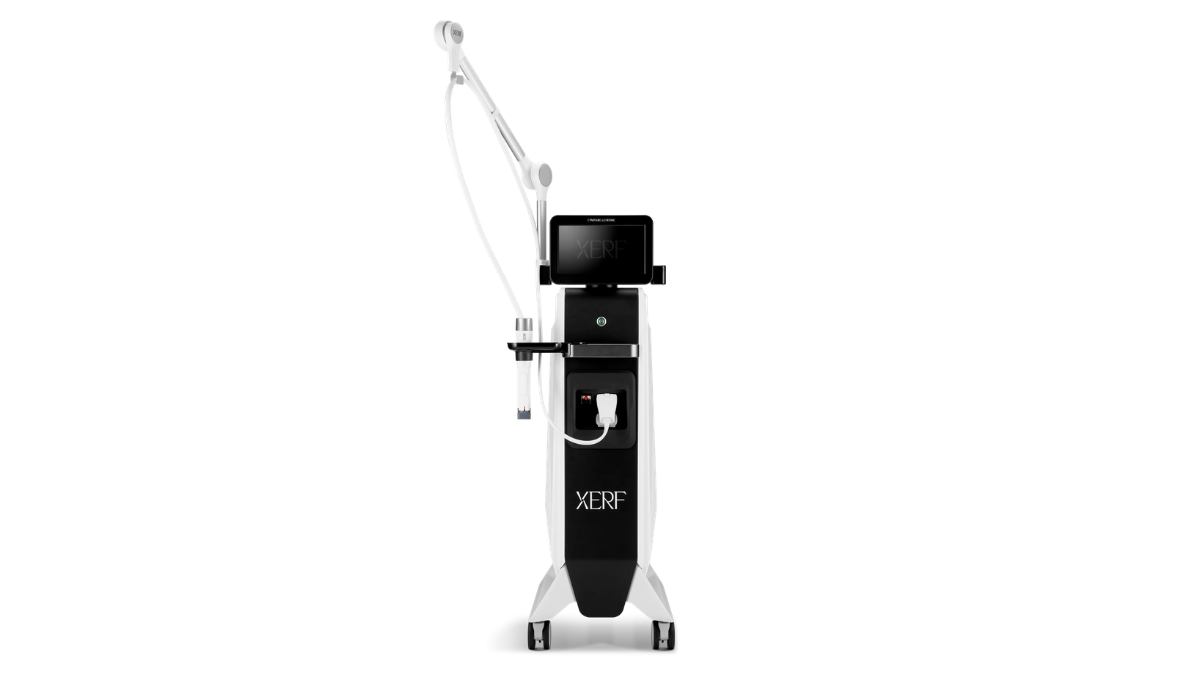
XERF is a non-invasive radiofrequency (RF) technology designed to tighten skin and support collagen renewal without numbing cream, needles, or downtime. It belongs to a newer generation of RF devices that combine more than one frequency in a single monopolar treatment, allowing energy to be directed at different depths within the skin rather than at one fixed level.
For patients researching skin tightening in Mumbai, XERF is worth understanding because it represents where RF technology is heading: gentler on the surface, more precise beneath it, and built around real-time feedback from the skin itself. This guide explains how it works, who it may suit, and what a realistic treatment journey looks like.
Mumbai’s climate — heat, humidity, and pollution for much of the year — takes a visible toll on skin over time, often showing up as a loss of firmness around the jawline, cheeks, and neck sooner than patients expect. Many people are also looking for options that fit around demanding work schedules and don’t require blocking out a weekend for recovery. This is part of why no-downtime technologies like XERF have generated so much interest among patients who want a supportive step in their anti-ageing routine without surgery.
It’s worth being clear about what this treatment is, and isn’t. XERF is not a face-lift replacement, and it will not stop the natural ageing process. What it aims to do is stimulate the skin’s own collagen-building response using controlled, targeted heat — a mechanism with a long track record in aesthetic dermatology, refined here through dual-frequency delivery and real-time feedback.
The device is designed for use on the face, jawline, and neck, and can also be used on other areas of the body where patients notice loose or crepey-feeling skin, depending on your dermatologist’s assessment. Because it is a monopolar RF system, a single treatment electrode passes over the skin while a return pad completes the circuit elsewhere on the body — a standard, well-understood setup used across many established RF devices in aesthetic medicine.
Key Advantages of XERF Skin Tightening
- Dual-frequency delivery. XERF combines two RF frequencies (commonly cited as 6.78 MHz and 2 MHz) in one monopolar system, aiming to reach the shallow, middle, and deeper layers of the skin in a single session, rather than requiring separate passes or separate devices for each depth.
- No numbing, no needles. Because the device is paired with continuous cooling at the skin’s surface, many patients tolerate sessions without topical anaesthesia, which also removes the 30–45 minutes of waiting that numbing cream usually requires.
- Minimal to no downtime. Most patients resume their day immediately after a session, which is a meaningful advantage for busy schedules and makes it easier to treat consistently over a recommended course.
- Adjustable to your skin. Multiple depth and intensity settings allow the treatment to be tailored rather than applied uniformly to every patient, so a thinner under-eye area and a firmer jawline can each be treated appropriately.
- Comfort-focused engineering. Integrated cooling and a pulse pattern designed to spread energy evenly are intended to reduce the risk of surface overheating during treatment, aiming for a more even, predictable sensation from the first pulse to the last.
- Fits an ongoing skincare routine. Because there’s no wound care or extended recovery, sessions can be scheduled alongside facials, peels, or other treatments your dermatologist may already have you on, subject to their guidance on spacing.
Who Is It For? Eligibility at a Glance
You May Be a Good Candidate If
- You are noticing early to moderate skin laxity on the face, jawline, or neck and want a supportive, non-surgical option.
- You want to address loose or lax-feeling skin without committing to needles, incisions, or recovery time.
- You are looking for a treatment that can be built into an ongoing skincare and anti-ageing routine.
- Your dermatologist has assessed your skin type, medical history, and goals as suitable for RF-based treatment.
It May Not Be Right for You If
- You are pregnant or breastfeeding.
- You have an active skin infection, open wound, or inflammatory skin condition in the treatment area.
- You have an implanted electronic device, such as a pacemaker, where RF energy is contraindicated.
- You have significant skin laxity where a dermatologist feels a surgical or more intensive option would serve you better.
A consultation with a qualified dermatologist is the only reliable way to confirm suitability — this list is a starting point for conversation, not a substitute for assessment.
It’s also worth thinking about your goals rather than just your age. Some patients in their late twenties book RF-based treatments as a preventive step alongside a good skincare routine, while others come in later, once jawline or neck laxity has become more noticeable. Both are reasonable reasons to book a consultation — what matters is that your dermatologist confirms the treatment matches what you’re actually trying to achieve, rather than choosing a technology first and working backward.
How XERF Structural Skin Tightening Works
RF-based skin tightening works on a simple principle: controlled heat, delivered to a precise depth, encourages the skin’s existing collagen network to contract and gradually remodel itself, while stimulating fresh collagen production over the following weeks [1].
What sets XERF apart is where and how that heat is delivered. Instead of using a single frequency that behaves the same way regardless of tissue depth, XERF’s monopolar system uses two frequencies together. In simple terms, one frequency is better suited to reaching more superficial tissue, while the other penetrates further, allowing the device to influence structures from the shallow dermis down toward deeper connective tissue layers, including the fascia that supports facial contour.
Throughout the session, the device reads impedance feedback from the skin — essentially, a real-time signal of how the tissue is responding — and adjusts energy delivery accordingly. This is paired with continuous cooling at the treatment tip, which protects the skin’s surface even as deeper layers are heated. The combined effect is designed to let the dermatologist work at a therapeutic temperature beneath the skin while keeping the surface comfortable throughout.
Published histological research on dual-frequency monopolar RF has shown thickening and reorganisation of collagen bundles at multiple tissue depths following treatment, offering biological support for the “structural” tightening approach this category of device is built around [2].
Think of it a little like the way a heated iron relaxes creases out of fabric — except here, the “fabric” is your skin’s collagen network, and the goal is a gradual, controlled remodelling rather than an instant crease-free result. That gradual response is exactly why RF-based tightening is described as a course of sessions rather than a single fix, and why patience with the process tends to reward patients with steadier, more natural-looking change over time.
The multi-frequency approach also means your dermatologist has more room to personalise your session. Someone with thinner, more sensitive skin around the under-eye or neck area may need a different depth and intensity setting than someone being treated on the jawline or cheeks, and having several adjustable parameters — rather than one fixed setting — makes that kind of tailoring possible within a single device.
Reaching deeper connective tissue matters because facial ageing isn’t only a surface phenomenon — the fascia and supportive tissue beneath the skin gradually loosen with age too, which is part of why the term “structural” is used to describe this category of treatment.
Your Session Plan and Comfort
How Long Each Session Takes
A single XERF session for the face or neck typically fits within a lunch-break appointment. Because numbing cream generally isn’t required, there is less waiting time built into the visit compared with treatments that need 30–45 minutes for anaesthesia to take effect. Your dermatologist will confirm exact timing based on the area being treated.
How Many Sessions You May Need
Skin tightening with RF technology is a gradual process, not a single-visit transformation. Most patients are advised to plan for a short course of sessions spaced a few weeks apart, followed by an assessment of how the skin has responded. Some patients notice an immediate, mild tightening effect after their first session, with continued improvement as collagen remodelling unfolds over the following months [3]. Your dermatologist will recommend a specific number of sessions once they have assessed your skin.
The right number of sessions is rarely the same for two people. Someone in their early thirties addressing early laxity may need fewer sessions than someone managing more established skin laxity, and lifestyle factors — sun exposure, smoking, sleep, and skin care routine — all play a role in how your skin responds and how long results tend to hold. This is why your dermatologist will usually propose an initial course, review your skin’s response, and only then discuss whether periodic maintenance sessions make sense for you.
Because there’s no numbing step and no wound care required afterward, many patients also find it easier to fit XERF sessions around a lunch break or a commute through Mumbai traffic, rather than needing to plan around a recovery day.
Safety and Contraindications
RF-based skin tightening is one of the more established categories of energy-based aesthetic treatment, with clinical data going back nearly two decades [4]. That history matters: it means dermatologists have a good understanding of how to set parameters safely, what side effects to watch for, and which patients should be treated with extra caution or referred elsewhere.
- RF skin tightening has a well-documented safety profile in clinical literature, with studies reporting only a small proportion of patients experiencing temporary side effects such as mild redness or swelling [5].
- Treatment should always be performed by a trained professional who can calibrate depth and intensity settings to your skin type and tolerance.
- Patients with active infections, certain autoimmune or inflammatory skin conditions, pregnancy, or implanted electronic devices should discuss alternatives with their dermatologist.
- As with any energy-based treatment, results and tolerance vary from person to person — your dermatologist will talk you through what to expect for your specific skin.
- This treatment supports skin tightening through controlled soft-tissue heating; it is not a substitute for surgical intervention where that has been recommended.
- Tell your dermatologist about any metal implants, recent facial procedures, or skincare actives (such as retinoids) you’re currently using, as these may affect how your session is planned.
Safety in RF-based treatments comes down largely to two things: a well-designed device with reliable cooling and feedback, and a practitioner experienced enough to set the right depth and intensity for your skin. This is why RF skin tightening should always be carried out in a clinical setting rather than at a home-device or unsupervised salon level.
Results and Realistic Timelines
Many patients notice a subtle, immediate tightening effect right after a session, caused by the short-term contraction of existing collagen fibres. The more meaningful change — visibly firmer, smoother-feeling skin — tends to build gradually as new collagen forms over the following weeks to months [3].
Results vary depending on your starting skin laxity, age, lifestyle, and how closely you follow your dermatologist’s recommended session plan. As with most collagen-stimulating treatments, the effects are not static; skin continues to age naturally afterward, and many patients choose periodic maintenance sessions to sustain their results over time.
It helps to set expectations honestly from the start: this is a supportive, gradual-improvement treatment, not a dramatic overnight change. Patients who are happiest with their outcome tend to be the ones who went in expecting steady, natural-looking firmness to build over weeks rather than an instant transformation. Your dermatologist can show you, based on your specific skin assessment, what a realistic outcome might look like for your goals.
A few factors tend to influence how long results are noticeable: how well you protect your skin from sun exposure afterward, whether you maintain a consistent skincare routine, your natural rate of collagen turnover, and whether you follow through on any maintenance sessions your dermatologist recommends. None of these determine a specific outcome on their own, but together they explain why two patients having the “same” treatment can still notice different results.
How XERF Compares to Related Treatments
XERF sits alongside other well-known non-surgical tightening technologies, such as HIFU (High-Intensity Focused Ultrasound) and traditional single-frequency RF devices. HIFU uses focused ultrasound energy to target specific depths with pinpoint precision, and is often chosen for jawline and brow lifting effects, sometimes with a firmer, more focal sensation during treatment. Traditional monopolar RF has a long track record for gentle, whole-area heating but typically works at a single depth setting per pass.
XERF’s distinguishing feature is combining two frequencies in one monopolar platform, aiming to influence multiple depths within a session while prioritising comfort through continuous cooling. Neither approach is inherently “better” for every patient — the right choice depends on your skin’s laxity, the area being treated, and your comfort preferences, which is exactly what a dermatologist consultation is for. You can read more about the range of skin tightening treatments available to compare options side by side.
Some patients also ask how RF-based tightening relates to treatments like advanced micro-needling RF for acne scarring. While both use radiofrequency energy, micro-needling RF is typically used for textural concerns such as scarring, working at a fine, localised level with tiny needles, whereas XERF is a needle-free, non-invasive treatment aimed primarily at overall skin laxity and firmness. Your dermatologist can advise whether one, or a combination, suits your specific concern.
It’s also common for dermatologists to combine approaches over time — for example, a course of RF sessions for firmness alongside separate treatments for pigmentation or texture, spaced appropriately. This is another reason a proper consultation, not an article alone, is the right starting point.
Why Choose The Bombay Skin Clinic
Evaluating a newer technology like XERF is easiest with a dermatologist-led team that understands both the science and your individual skin. At The Bombay Skin Clinic, every energy-based treatment plan begins with an in-depth assessment by our medical team, not a one-size-fits-all protocol.
- Dermatologist-led care. Treatment plans are built around a proper skin assessment, not guesswork.
- Experienced, qualified team. Our clinicians are trained on advanced energy-based devices and stay current with emerging technologies in aesthetic dermatology.
- Personalised protocols. Depth, intensity, and session frequency are calibrated to your skin type and goals rather than a fixed template.
- Strict hygiene and sterilisation protocols. Every treatment area and applicator is prepared to rigorous clinical standards.
- Honest guidance. We’ll tell you plainly if a different treatment — or a combination approach — suits your skin better than any single technology.
If you’re curious whether XERF or another RF-based option fits your skincare goals, our dermatologists can walk you through it at a consultation.
Indicative Pricing
Pricing for RF-based skin tightening treatments in Mumbai depends on your specific skin concerns, treatment goals, the area being treated, and the number of sessions recommended. Your dermatologist will confirm the exact cost after an in-person assessment, as the treatment plan is personalised according to your skin’s current condition and requirements.
A few factors typically influence the final cost: the size of the area being treated (a full face-and-neck session generally costs more than a smaller, focused area), the number of sessions your dermatologist recommends as part of your course, and whether any complementary treatments are suggested alongside it. We recommend discussing a complete, itemised treatment plan at your consultation so there are no surprises before you begin.
Frequently Asked Questions
Does XERF hurt?
Most patients describe XERF as a warm, tolerable sensation rather than a painful one, largely because of the continuous cooling built into the device. Sensitivity varies from person to person, and your dermatologist can adjust intensity to keep you comfortable throughout. If you have particularly sensitive skin, mention this before your session so your treatment plan can be adjusted accordingly.
How is XERF different from HIFU or Thermage?
XERF uses dual-frequency monopolar RF energy with real-time skin feedback and continuous cooling, while HIFU relies on focused ultrasound and traditional single-frequency RF devices (like some Thermage systems) work at one fixed depth setting. Each technology has a different energy source and depth profile, which is why a dermatologist assessment helps match the right one to your skin, your budget, and how much sensation you’re comfortable with during treatment.
How many XERF sessions will I need?
This depends on your skin’s laxity and goals. Many patients start with a short course of sessions spaced a few weeks apart, then reassess with their dermatologist before deciding on maintenance. Your dermatologist will confirm a specific number after examining your skin at your first visit.
Is there any downtime after XERF?
Most patients return to their normal routine immediately. Some may notice mild, temporary redness in the treated area for a short period afterward, similar to the warmth you might feel after time in the sun, which typically settles on its own.
When will I see results from XERF?
Some patients notice a mild tightening effect right after their first session. More visible improvement typically builds gradually over the following weeks to months as collagen remodelling continues, so it helps to think of this as a course of treatment rather than a single appointment.
Is XERF safe for all skin tones?
RF-based treatments are generally considered suitable across a range of skin tones because they work through heat rather than targeting pigment, unlike some laser treatments. Your dermatologist will still confirm suitability based on your specific skin and medical history during consultation, including any conditions that might affect how your skin responds to heat-based treatments.
References
- American Academy of Dermatology Association. Many ways to firm sagging skin. AAD. https://www.aad.org/public/cosmetic/younger-looking/firm-sagging-skin
- Park H, et al. Efficacy of dual-frequency noninvasive monopolar radiofrequency in skin tightening: Histological evidence. J Cosmet Dermatol. PubMed. https://pubmed.ncbi.nlm.nih.gov/38881041/
- Kim J, et al. Long-Term Efficacy and Safety of a Novel Monopolar Radiofrequency Device for Skin Tightening: A Prospective Randomized Controlled Study. PubMed. https://pubmed.ncbi.nlm.nih.gov/39957006/
- Dover JS, et al. Monopolar radiofrequency skin tightening. PubMed. https://pubmed.ncbi.nlm.nih.gov/17544932/
- Alster TS, Tanzi E. Monopolar radiofrequency facial tightening: a retrospective analysis of efficacy and safety in over 600 treatments. PubMed. https://pubmed.ncbi.nlm.nih.gov/16989184/
Dr. Batul Patel (Dermatologist)
Medical Director – The Bombay Skin Clinic
Dr. Batul Patel is an award winning celebrity dermatologist, practising since 20 years. Honoured as “Dermatologist of the Year 2026” by Financial Express, “Dermatologist of the Year 2023” by The Economic Times and Jury Member at Vogue Beauty & Wellness Honours 2026. View profile