

MEDICALLY REVIEWED BY
Dr. Batul Patel (Dermatologist)
Medical Director – The Bombay Skin Clinic
Dr. Batul Patel is an award-winning celebrity dermatologist with over 20 years of experience. She was honoured as “Dermatologist of the Year 2026” by Financial Express and “Dermatologist of the Year 2023” by The Economic Times. She also served as a jury member at the Vogue Beauty & Wellness Honours 2026. View profile
What Is Vampire Facial | Good Candidate | Sessions Needed | Treatment Cost | FAQs
What Is a Vampire Facial?
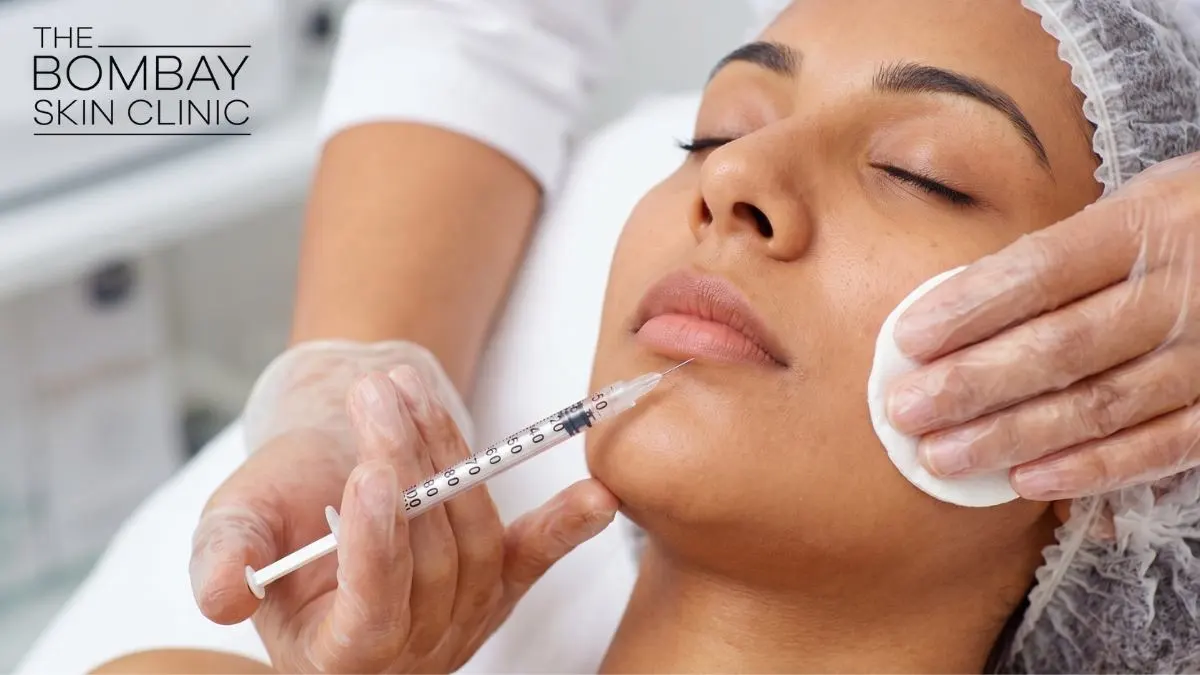
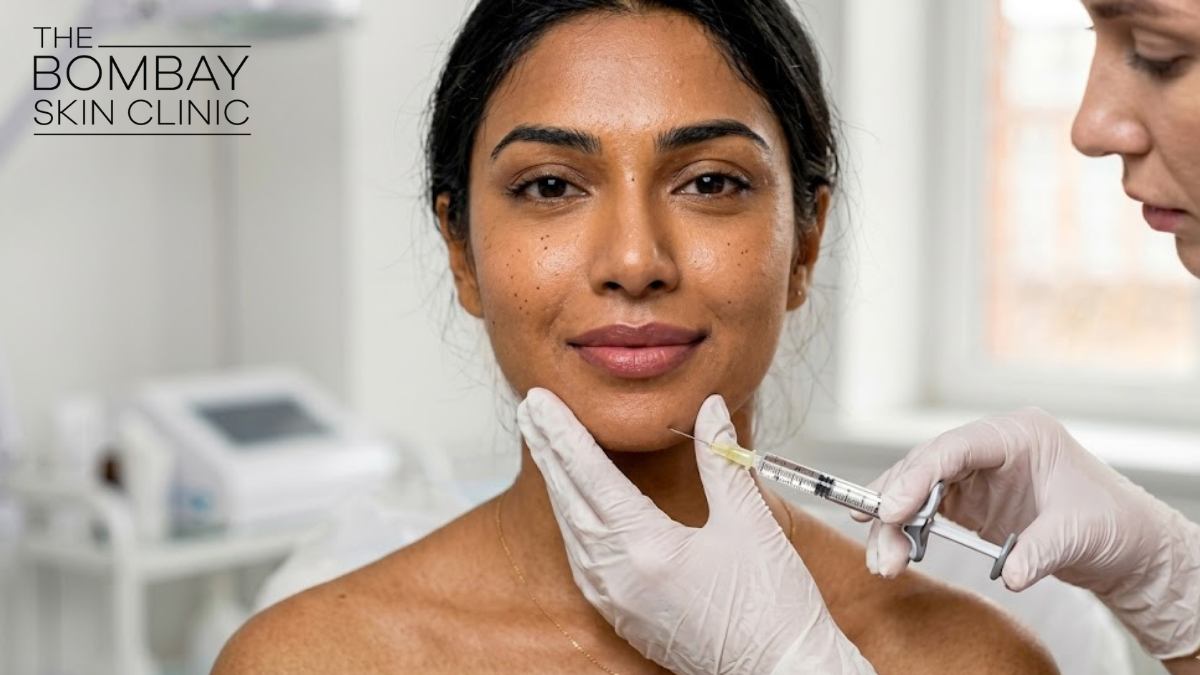
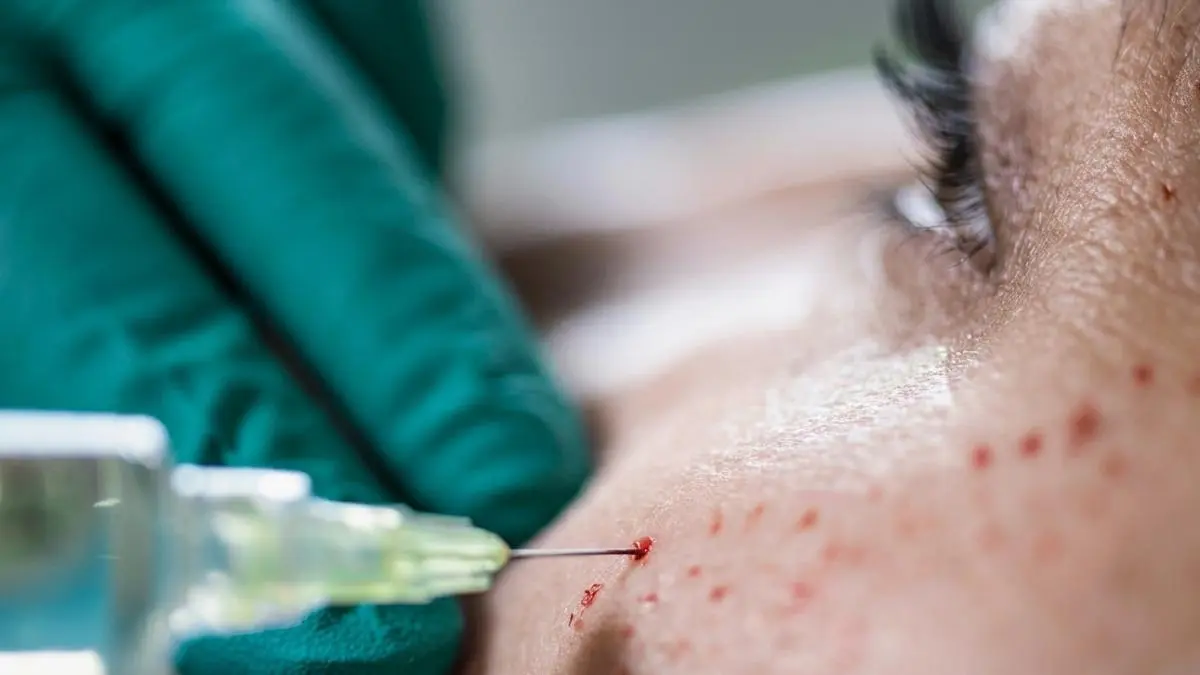
A Vampire Facial is a skin rejuvenation treatment that usually combines microneedling with platelet-rich plasma, also called PRP. PRP is prepared from a small sample of your own blood, and the idea is to use growth factors from that plasma as a supportive step alongside controlled skin needling.[1,2]
In simple terms, microneedling creates very fine, measured channels in the skin, and PRP is then applied or used as part of the treatment plan to support repair. Evidence for facial rejuvenation is promising but still mixed, so it is best understood as an adjunct option rather than a one-size-fits-all answer.[1,4,5]
How Does a Vampire Facial Work?
What is PRP, and why is it used in this treatment?
PRP stands for platelet-rich plasma. It is prepared by taking a small blood sample and processing it to concentrate platelets in plasma. Platelets release growth factors, and these are being studied for their role in tissue repair and collagen remodelling.[4,5]
In aesthetic dermatology, PRP is not presented as a cure. It is better viewed as a biologically active supportive option that may help selected skin concerns, especially when combined with procedures that trigger controlled healing.[4,5]
How does microneedling and PRP work together?
Microneedling uses a medical device with fine needles to create controlled micro-injuries in the skin. This process itself is used to stimulate repair pathways. When PRP is added, the goal is to support that wound-healing response and collagen remodelling.[2,4,5]
Published evidence suggests this combination may help some patients with acne scars and skin rejuvenation, but treatment methods vary across studies. That is why counselling should stay balanced, especially for concerns like deep scars, laxity, or significant pigmentation, where other modalities may be more appropriate.[1,4,5,6]
Who Is a Good Candidate for a Vampire Facial?
Who may benefit from a Vampire Facial?
After an in-clinic assessment, this treatment may suit patients who:
- Have mild to moderate textural concerns
- Want support for skin quality and not a dramatic change overnight
- Can follow aftercare properly
- Are comfortable with a treatment plan that may need multiple sessions
- Understand that results build gradually and vary by concern
It is often considered for people who want collagen-supportive treatments with limited downtime compared with more aggressive resurfacing procedures.[4,5]
Who should avoid or postpone treatment?
A Vampire Facial may need to be postponed or avoided in patients who have:
- Active acne breakouts, skin infection, cold sores, or open wounds in the treatment area
- A history of abnormal scarring or certain pigment concerns that need careful planning
- Blood clotting disorders, low platelet issues, or use of medicines that raise bleeding risk, unless cleared by the treating doctor
- Severe inflammation, uncontrolled medical illness, or recent procedures that make the skin barrier unstable
- Pregnancy or breastfeeding, if the treating dermatologist feels another approach is more suitable
Suitability is not decided by trend value or social media popularity. It is decided by diagnosis, skin behaviour, medical history, and risk tolerance.
How Many Sessions Are Usually Needed?
What does a typical session plan look like?
A single session can give a short-term refreshed look in some patients, but most treatment plans are built as a course. For concerns such as texture, pores, or mild acne scarring, many doctors discuss a series rather than one treatment alone.[4,5,6]
In practice, a plan may involve 3 to 4 sessions for mild rejuvenation goals, while deeper textural concerns may need more sessions or a completely different modality. That is one reason an assessment matters before quoting results or timelines.[6]
How far apart are the sessions scheduled?
Sessions are often spaced a few weeks apart so the skin has time to recover and remodel. The exact gap depends on the indication, device settings, skin sensitivity, and whether the treatment is being combined with other procedures. Rushing sessions too close together usually does not improve outcomes.
What Is the Downtime After a Vampire Facial?
What is normal in the first 24 to 72 hours?
Immediately after treatment, it is common to see redness, mild swelling, warmth, and a tight or slightly rough feeling. Some people also notice pinpoint marks, light flaking, or temporary dryness for a few days. These effects are consistent with microneedling recovery.[2]
Most patients start to look socially presentable within 24 to 72 hours, but this varies. If you have reactive skin, a darker skin tone prone to pigmentation, or a more intensive session, recovery may feel longer.
When can you return to work, events, and exercise?
Many people can return to desk work the next day, especially if the redness settles quickly. Major events are better not planned immediately after treatment. In Mumbai’s heat, humidity, pollution, and sun exposure, post-procedure care matters more than many patients expect.
Heavy workouts, steam, sauna, swimming, and intense sun exposure are usually best avoided for the first day or two, or as advised after assessment, because they can increase irritation.
What Are the Possible Side Effects, Safety Points, and Contraindications?
Expected short-term effects can include:
- Redness and mild swelling
- Dryness, roughness, peeling, or tightness
- Mild bruising or pinpoint bleeding
- Temporary sensitivity when applying skin care
Less common but important risks include infection, post-inflammatory hyperpigmentation, prolonged irritation, herpes reactivation in susceptible patients, and scarring if treatment is done in the wrong setting or on the wrong skin at the wrong time.[2,3]
What Results Can You Realistically Expect, and When?
When does the skin start looking fresher?
Some patients notice early brightness once the immediate redness settles, but that should not be confused with the final result. A Vampire Facial is not an instant transformation treatment. The more meaningful changes, if they happen, usually build gradually over weeks as skin repair and collagen remodelling continue.[1,4,5]
How long can collagen remodelling continue?
Collagen-related change is slow. Depending on the concern and treatment plan, skin quality improvements may continue for several weeks to months. For acne scar work, visible improvement can take longer, and some guidance notes that final improvement may only become clearer over months rather than days.[6]
What can this treatment improve, and what can it not do well?
This treatment may support improvement in mild textural irregularity, post-acne skin quality, and overall skin freshness in selected patients. It is less likely to give strong correction for significant sagging, deep box scars, major pigmentation disorders, or concerns that need lifting, tightening, or deeper resurfacing.
That is why we position a Vampire Facial as one possible tool, not the default answer for every face. In many cases, the best plan may involve a different technology, combination treatment, or a staged approach.
How Does a Vampire Facial Compare With Other Skin Rejuvenation Treatments?
Vampire Facial vs microneedling alone
The difference is the addition of PRP. Microneedling alone already stimulates controlled repair. PRP is added as a supportive biologic step. Some studies suggest better outcomes with the combination in selected indications, especially acne scars, but protocols vary and the evidence is not uniform.[4,5,6]
Vampire Facial vs chemical peels
Chemical peels are often chosen when the main issue is surface dullness, superficial pigmentation, or acne in selected skin types. A Vampire Facial is usually considered more for texture support and collagen-focused rejuvenation. Peels may be simpler for some concerns, while PRP with microneedling may suit others. The better treatment depends on diagnosis, not trend value.
Vampire Facial vs lasers
Lasers can be stronger options for selected pigmentation, vascular concerns, scars, or resurfacing goals, depending on the device and skin type. A Vampire Facial may appeal to patients who want a needle-based collagen-supportive option with a different downtime profile. It is not automatically better than lasers. It is simply different, and sometimes complementary.
Vampire Facial vs RF microneedling
RF microneedling adds heat energy below the skin along with needling. That can be useful for some textural and tightening goals, but it is also a different risk category and requires careful case selection. A standard Vampire Facial does not involve RF energy. For patients who want a simpler regenerative-supportive plan, PRP with microneedling may be considered. For others, RF microneedling or another modality may be more suitable after assessment.[2]
What Is the Indicative Price of a Vampire Facial at The Bombay Skin Clinic?
In Mumbai, pricing usually varies based on the doctor’s assessment, the quality of PRP preparation, whether the treatment includes medical microneedling, the area treated, and whether it is planned as a single session or part of a course.
As a practical guide, Vampire Facial pricing in Mumbai often starts from around ₹12,000 to ₹25,000 per session, with premium clinics and more customised plans sometimes going higher. At The Bombay Skin Clinic, pricing is best shared after assessment so the recommendation matches the concern, not just the keyword.
Frequently Asked Questions
Is Vampire Facial safe for Indian skin?
It can be safe in selected patients when done in a medically governed setting with correct case selection and aftercare. Indian skin can pigment after irritation, so assessment, conservative planning, and sun protection are important.
Can Vampire Facial help acne scars?
It may help some mild to moderate atrophic acne scars, especially as a supportive treatment, but deeper or mixed scars often need a broader treatment plan. This is one of the clearest reasons to avoid self-selection based on internet content alone.[4,6]
Can Vampire Facial help pigmentation and pores?
It may support overall skin texture and the look of pores in selected patients. Pigmentation is more complex. Some pigment issues improve better with other treatment categories, and some can worsen if the wrong procedure triggers inflammation.
Is there any age limit for Vampire Facial?
There is no single cosmetic age rule that suits everyone. The decision is based more on skin concern, skin behaviour, medical history, and expectations than on age alone.
How long do the results last?
That depends on the concern treated, the number of sessions, your skin biology, sun exposure, home care, and whether any maintenance is planned. Skin quality changes are not fixed forever, which is why long-term care matters.
Can Vampire Facial be combined with other treatments?
Yes, sometimes. Dermatologists may combine or stage treatments depending on whether the main issue is acne scars, pores, dullness, laxity, or pigmentation. Combination planning should always be based on assessment and skin recovery capacity.
Sources and Medical References
[1] American Academy of Dermatology. Is platelet-rich plasma the secret to younger-looking skin? Available from: https://www.aad.org/public/cosmetic/younger-looking/platelet-rich-plasma-secret-to-younger-skin
[2] U.S. Food and Drug Administration. Microneedling Devices: Getting to the Point on Benefits, Risks and Safety. Available from: https://www.fda.gov/consumers/consumer-updates/microneedling-devices-getting-point-benefits-risks-and-safety
[3] Stadelman-Behar AM, et al. Investigation of Presumptive HIV Transmission Associated with Receipt of Platelet-Rich Plasma Microneedling Facials at an Unlicensed Spa, New Mexico, 2018 to 2023. MMWR Morb Mortal Wkly Rep. Available from: https://www.cdc.gov/mmwr/volumes/73/wr/mm7316a3.htm
[4] Cruciani M, et al. Platelet rich plasma for facial rejuvenation: an overview of systematic reviews. J Cosmet Dermatol. Available from: https://pubmed.ncbi.nlm.nih.gov/38557322/
[5] Xiao H, et al. Platelet-Rich Plasma in Facial Rejuvenation: A Systematic Review. Aesthetic Plast Surg. Available from: https://pubmed.ncbi.nlm.nih.gov/34819739/
[6] Indian Association of Dermatologists, Venereologists and Leprologists. Acne Scars. Available from: https://public.iadvl.org/acne-scars
MEDICALLY REVIEWED BY
Dr. Batul Patel (Dermatologist)
Medical Director – The Bombay Skin Clinic
Dr. Batul Patel is an award-winning celebrity dermatologist with over 20 years of experience. She was honoured as “Dermatologist of the Year 2026” by Financial Express and “Dermatologist of the Year 2023” by The Economic Times. She also served as a jury member at the Vogue Beauty & Wellness Honours 2026. View profile